Home Programs Partial Hospitalization Program (PHP)
Medically Reviewed by Jeffrey Cohen, M.Ed, RMHCI
At our Partial Hospitalization Program (PHP) in Tampa, Florida our structured programming gives individuals the opportunity to live at home or in a sober living home while attending a structured addiction treatment or mental health program during the day.
While detox is often the first and crucial beginning to recovery, it’s just the start. Tampa Bay Recovery Center provides expert care from compassionate professionals.
Our Partial Hospitalization Program (PHP) in Tampa Bay, Florida is a step down from residential treatment and helps you develop emotional, mental, and spiritual healing to begin living the life you were meant to live.
What is a Partial Hospitalization Program (PHP)?
When most think of addiction treatment, they think of a facility that they are at 24 hours per day, 7 days per week. While these programs can be beneficial, they also prevent triggers and keep clients away from real-world situations until treatment is over.
However, for a lot of people, this type of treatment can be too intensive. Many people are unable to take off work, leave family obligations, and must continue daily living. At Tampa Bay Recovery Center, we offer another level of care as an alternative to residential treatment, including Partial Hospitalization Programming.
Our PHP is a highly structured outpatient program — the most intensive level of outpatient care available.
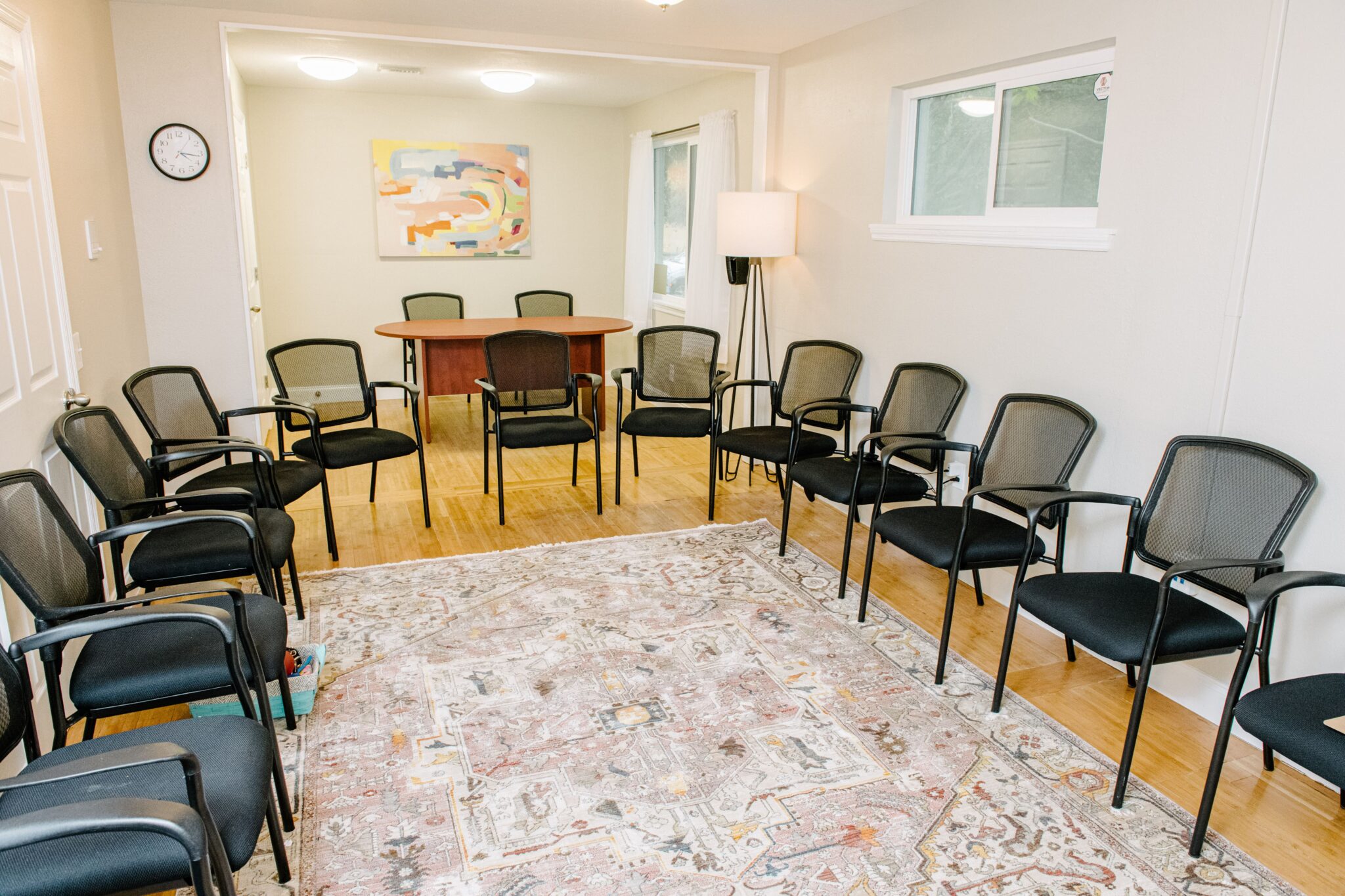
During this time, clients are at our treatment facility from 9:00 AM to 4:00 PM receiving group therapy, individual, therapy, and other treatment services during the day. Once treatment is over, clients either return back home or live in a structured sober living environment offsite.
Jeffrey Cohen, M.ED, RMHCI
Clinically Reviewed
Jeff Cohen is a Primary Therapist at Tampa Bay Recovery Center, where he works with individuals experiencing substance use disorders, co-occurring disorders, and primary mental health conditions.
Take Back Control:
Verify Insurance
Addiction and mental health disorder effects the lives of millions of Americans each year. Contact Tampa Bay Recovery Center today to get the help you deserve.
How Do I Know A Partial Hospitalization Program (PHP) Is Right For Me?
PHP may not be for everyone, but it works well for many. It combines elements of residential treatment that continue to benefit someone who does not need round-the-clock care. In general, a PHP program in Florida can be a good fit for the following person:
- Someone who is stepping down from a residential treatment program or those who have a strong support system in place.
- Someone who needs accountability and structured treatment, but does not require 24/7 supervision.
- Someone who can commit to regularly scheduled PHP programming.
- Someone who needs education in ways to avoid future substance abuse, including coping mechanisms.
- Someone who is emotionally and physically stable enough to be present in group.
Ready to Escape Addiction? Let’s get Started
Tampa Bay Recovery Center is a premier leader in the provision of addiction treatment services. If you or someone you love is in need of professional care to address a substance use disorder, reach out to us right now at (813) 733-8774 to speak with an admissions specialist who can get you started on the road to recovery.
Therapeutic Services Offered at Our PHP Program in Florida
Group therapy
Group therapy takes place five days per week where individuals come together to share what they may be struggling with. They are provided with feedback from other group members along with a group facilitator
Family Therapy
Family sessions can help restore family strain, set firm boundaries, and more. These sessions are dependent upon the needs of the individual and family members.
Individual Psychotherapy
Individual therapy takes place once per week with a Master’s level clinician. During individual therapy, the client and therapist process the individual’s addiction, family dynamics, maladaptive coping skills, and more.
EMDR Therapy
EMDR therapy has proven to be effective in treating trauma-based conditions. These include addiction, post-traumatic stress disorder, mental illness, eating disorders, and more.
Case Management
Case management takes place once per week. During this time the case manager works with the client to identify specific needs the client may need in moving forward with their recovery.
This could pertain to employment paperwork, specialty doctor visits, family participation in treatment, and more. The case manager is designed to be the client’s advocate.
Brainspotting
Brainspotting is a talk therapy that helps people process trauma through fixed eye positions. Similar to EMDR, trained therapists conduct each session.
Red Light Therapy (RLT)
RLT involves using low levels of red or near-infrared lights. It helps treat conditions related to the skin and muscle tissues, helping cells repair themselves.
Psychiatry
Each client sees our medical director or nurse practitioner upon admission for an initial evaluation. Once that has been completed, clients see our medical director or nurse practitioner on a bi-weekly basis.
Medication-Assisted Treatment (MAT)
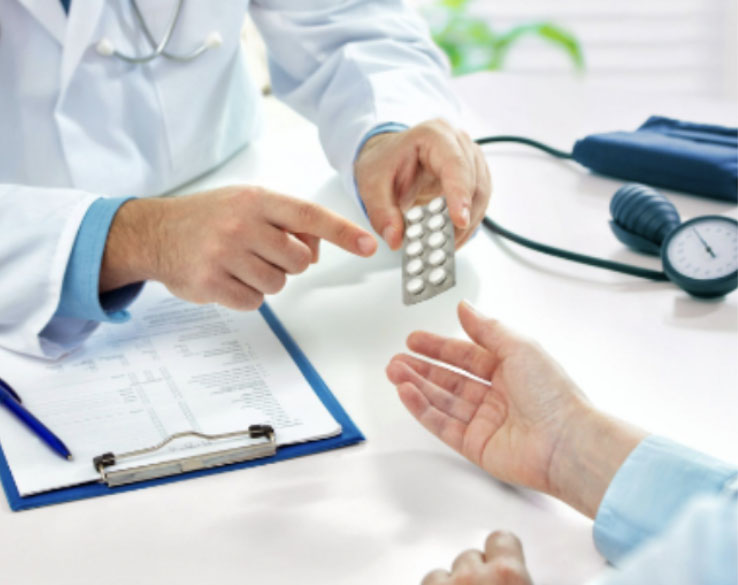
MAT is a combination of FDA-approved medications and talk therapy. Together, they help people in recovery make great progress. The medications can treat withdrawal symptoms and mental health side effects.
Conditions We Treat in Our Tampa PHP Program
Our Partial Hospitalization Program is designed to treat both substance use disorders and co-occurring mental health conditions.
PHP is appropriate for individuals dealing with a wide range of diagnoses, including:
Alcohol Use Disorder — PHP provides the structured daily support necessary for early recovery from alcohol dependence, including relapse prevention, coping skills development, and MAT integration when clinically indicated.
Learn more about alcohol rehab at TBRC.
Opioid Use Disorder — For individuals who have completed detox from heroin, fentanyl, oxycodone, or other opioids, PHP provides the next level of intensive clinical support to build a durable foundation for recovery.
Learn more about opioid rehab in Tampa.
Dual Diagnosis — Many individuals entering PHP are managing both a substance use disorder and a co-occurring mental health condition such as depression, anxiety, PTSD, or bipolar disorder. Our PHP integrates psychiatric evaluation, medication management, and trauma-informed therapy to address both conditions simultaneously. Treating one without the other significantly increases the risk of relapse.
Learn more about our dual diagnosis program.
Anxiety and Depression — PHP is appropriate for individuals whose anxiety or depression is severe enough to require structured daily support but does not require inpatient hospitalization. Our clinical team incorporates evidence-based therapies including CBT, DBT, and EMDR to address mood and anxiety disorders alongside any co-occurring substance use.
Learn more about anxiety treatment and depression treatment at TBRC.
PTSD and Trauma — Unresolved trauma is one of the most common drivers of both substance use and mental health crises. Our PHP incorporates trauma-focused modalities including EMDR and Brainspotting to help clients process traumatic experiences in a safe, clinically supervised environment.
Learn more about trauma therapy at TBRC.
Benzodiazepine and Prescription Drug Dependence — Individuals recovering from dependence on Xanax, Valium, Ativan, or other prescription medications often require the level of clinical intensity that PHP provides, particularly in early recovery when cravings and anxiety symptoms can be most acute.
Learn more about benzo addiction treatment and prescription drug rehab at TBRC.
If you are unsure whether PHP is the right level of care for your situation, our admissions team can conduct a clinical assessment and help you understand your options.
What is PHP Like?
Our PHP program in Tampa offers a consistent schedule while covering a broad array of topic areas. That way you know what to expect throughout the program, yet you still get a variety of therapies and skills for long-term recovery.
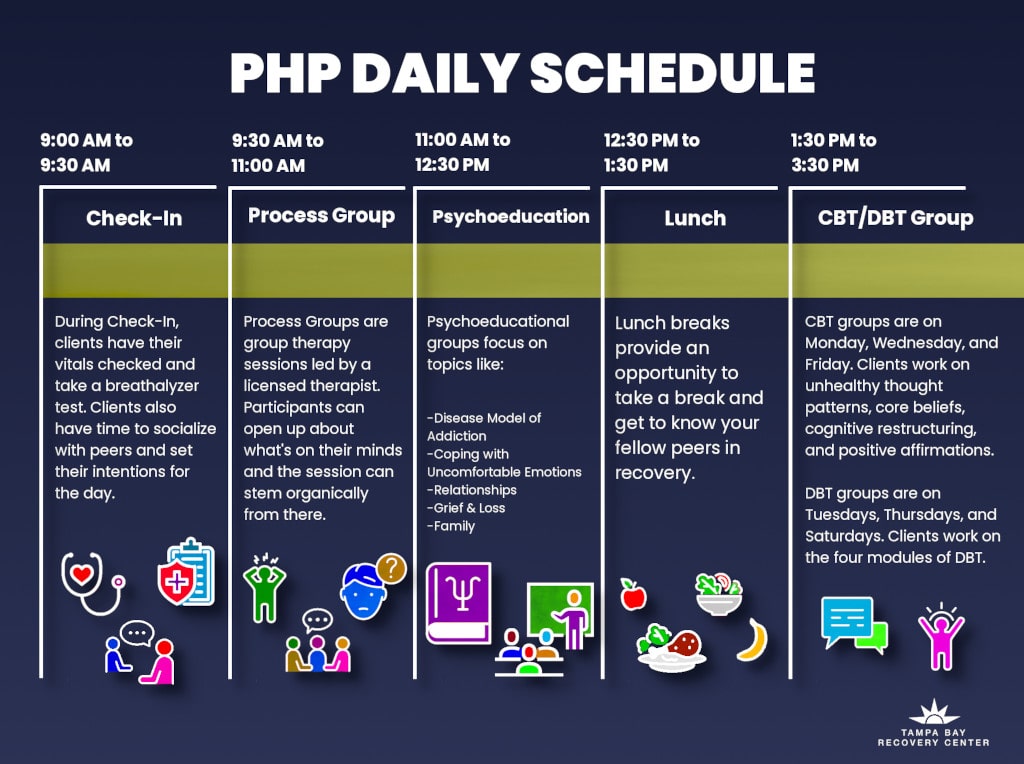
Our daily schedule for PHP in Tampa is as follows:
- 9:00 am to 9:30 am: When you check into the program, you’ll have to time to socialize with your peers as everyone comes in. We also do vital checks and breathalyzer testing at that time to hold everyone accountable for their sobriety. In addition, we set our intentions for the day.
- 9:30 am to 11:00 am: Our first session is a process group. This is led by a licensed therapy and is modeled after traditional group therapy. Therefore, peers can open up about what’s going on currently and the session can stem from this conversation.
- 11:00 am to 12:30 pm: During psychoeducational groups, we cover a variety of topics, such as: the disease model of addiction, coping with uncomfortable or challenging emotions, relationship issues, grief and loss, and family.
- 12:30 pm to 1:30 pm: At this time, we take a break for lunch. Oftentimes, this is when you can get to know your peers better.
- 1:30 pm to 3:30 pm: On Monday, Wednesday, and Friday, we have cognitive-behavioral therapy (CBT) groups. You will work on things like unhealthy though patterns, core belief systems, cognitive restructuring and positive affirmations.
On Tuesday, Thursday, and Saturday, we have dialectical behavior therapy (DBT) groups. During DBT groups, we work on the four modules of DBT: (1) core mindfulness, (2) distress tolerance, (3) emotion regulation, and (4) interpersonal effectiveness.
How Long Does PHP in Tampa Last?
The duration of our Tampa PHP depends on a few factors. First is the person’s specific treatment needs. This includes how long they have been addicted and to what substance. In addition, how much they typically consumed can influence how long they will need PHP. Most programs last at least thirty days.
Participants may benefit more from staying in Partial Hospitalization Program in Florida for a few months. Together, treatment team members can work with the person to determine the ideal amount of time to stay in treatment.
Research consistently supports longer treatment duration as a predictor of better outcomes. According to the Substance Abuse and Mental Health Services Administration (SAMHSA), individuals who remain engaged in treatment for longer periods demonstrate significantly higher rates of sustained recovery compared to those who leave treatment early.
Overcome Addiction with evidence-based, expert care.
How Much Does PHP Cost?
The cost of our Partial Hospitalization Program in Tampa depends on how long a person stays in the program, and your insurance coverage.
If you have insurance, Tampa Bay Recovery Center can find out the specifics of your coverage with a verification of benefits. Because of the Affordable Care Act (ACA), you cannot be denied coverage for mental health or substance use disorder.
At Tampa Bay Recovery Center, we’re an in-network provider with many major insurance carriers. Oftentimes, your insurance policy can cover a large portion if not all of your treatment costs.
What Comes After PHP?
PHP is an intensive, structured level of care — but it is one step in a longer recovery journey, not the finish line.
Most clients who complete PHP at Tampa Bay Recovery Center transition into a less intensive level of care rather than ending treatment entirely. Stepping down gradually gives clients time to apply the skills they’ve built in PHP to real-world situations while maintaining clinical support.
The typical continuum of care after PHP:
Intensive Outpatient Program (IOP) — IOP provides structured group therapy, individual therapy, and skills-based programming three to five days per week, typically for three hours per session. It is the most common step down from PHP and allows clients to gradually reintegrate into daily life — work, family, and other responsibilities — while continuing evidence-based treatment.
Outpatient Rehab — Standard outpatient therapy involves fewer sessions per week and is appropriate for individuals who have made significant clinical progress and have a strong support system in place. Outpatient therapy focuses on maintaining gains, processing ongoing challenges, and preventing relapse over the longer term.
Sober Living — For clients who do not have a stable or supportive home environment, sober living provides structured, substance-free housing during and after PHP. Living with peers who are also in recovery adds accountability and community to the treatment process and is associated with better long-term outcomes.
Long-Term Rehab — Some individuals benefit from an extended treatment structure beyond the standard PHP and IOP timeline. Long-term rehab provides continued clinical care for those who need additional time and support to build the foundation for lasting recovery.
Before you complete PHP, your clinical team will work with you to develop a personalized aftercare plan that reflects where you are in your recovery, your living situation, and your goals. The transition out of PHP is planned carefully — not left to chance.
What is the difference between PHP and inpatient rehab?
Inpatient rehab requires clients to live at the treatment facility around the clock, with no access to the outside world during treatment. PHP provides the same intensity of clinical programming — individual therapy, group therapy, psychiatry, medication management, and skills-based treatment — but clients return home or to sober living each evening. PHP is the right choice for individuals who are medically and emotionally stable enough to manage evenings independently but still need highly structured daily clinical support.
What is the difference between PHP and IOP?
PHP and IOP are both structured outpatient programs, but they differ significantly in intensity. PHP runs approximately six hours per day, five to six days per week. IOP typically runs three hours per day, three to five days per week. PHP is the higher level of care and is most appropriate for individuals stepping down from detox or residential treatment, or those who need more support than IOP can provide. Many clients complete PHP before transitioning into IOP as part of a planned step-down.
Can I work or manage family responsibilities while in PHP?
PHP runs Monday through Saturday from 9:00 AM to 4:00 PM, so evenings and Sundays are available. Some clients manage part-time work or family responsibilities outside of program hours. That said, PHP is genuinely intensive — six hours of structured programming per day is a significant commitment — and your primary focus during this period should be your recovery. Your case manager can help you think through any scheduling concerns during intake.
Does insurance cover PHP in Florida?
Yes — most major insurance plans cover Partial Hospitalization Programs as a medically necessary level of care. Under the Affordable Care Act, insurers cannot deny coverage for substance use disorder or mental health treatment. Tampa Bay Recovery Center is in-network with Aetna, Blue Cross Blue Shield, Cigna, and United Healthcare. Verify your insurance online or call us at 813-733-8774.
Do I need to complete detox before starting PHP?
Not always — but for individuals with significant physical dependence on alcohol, opioids, or benzodiazepines, medical detox is typically recommended as the first step before entering PHP. Detox stabilizes the body and addresses acute withdrawal so clients can engage fully in the therapeutic work PHP requires. Our admissions team will assess your situation during intake and help determine the right starting point for your care.
Does TBRC's PHP treat mental health conditions as well as addiction?
Yes. Tampa Bay Recovery Center takes a dual diagnosis approach, meaning we assess and treat co-occurring mental health conditions — including depression, anxiety, PTSD, and bipolar disorder — alongside substance use disorder. PHP includes psychiatric evaluation, medication management when appropriate, and trauma-focused therapies such as EMDR and Brainspotting. Treating both conditions simultaneously produces significantly better outcomes than addressing them separately.
What if I don't have a stable place to live while in PHP?
Stable housing is important during PHP, but not having it shouldn’t be a barrier to getting treatment. Tampa Bay Recovery Center can connect clients with sober living in St. Petersburg that provides structured, substance-free housing during and after the program. Our admissions team can discuss housing options during the intake process.
How do I get started?
Call our admissions team at 813-733-8774 or verify your insurance online. We’ll conduct a clinical assessment, walk you through your insurance benefits, and help you determine whether PHP is the right level of care for your situation. Admissions specialists are available 24 hours a day, seven days a week.
Call 813-733-8774
Insurance Can Cover Up to 100% of costs
We Accept Most Insurance. Please Note We Are Not Affiliated With Or Endorsed By Insurance Companies.
CONTACT US
We Are Always Here For You
Our compassionate team is ready to assist you—contact us now for confidential support tailored to your needs!