Home Programs Intensive Outpatient Program (IOP)
Medically Reviewed by Jeffrey Cohen, M.Ed, RMHCI
Our IOP in Tampa, Florida, can help you transition from long-term treatment to everyday life in recovery.
At our Intensive Outpatient Program (IOP) in Tampa, our structured day and night programs enable those with alcohol or drug addiction issues to find the help and support they need while still maintaining employment, continuing school, and living from home. During treatment, the staff at Tampa Bay Recovery Center helps you learn to cope with stressors that contribute to substance use and mental health disorders. In an intimate group and individualized setting, clients can find the space to share their struggles, find relief, and create new patterns in their lives.
If you or a loved one are struggling, our Tampa rehab programs and IOP program can change the trajectory of your life and help you find recovery.
What Does IOP Stand For?
IOP stands for an intensive outpatient program. These types of programs treat mental health and substance use disorders. IOP programs help clients transition out of partial hospitalization programs (PHP) while still getting a substantial amount of support.
- An IOP is intensive due to the number of hours clients get during treatment. While an IOP requires less time than a PHP program, clients still attend IOP nearly every day.
- IOP programs are outpatient programs because clients do not live in the same facility as they receive treatment. Clients usually live at home or with family during IOP. Many live in a St. Petersburg sober living home for additional support throughout IOP.
- Lastly, IOP is a type of treatment program because it follows a structure and schedule. Unlike standard outpatient treatment, an IOP runs for a specific amount of time and clients graduate their program upon finishing.
Clients are eligible for IOP when they do not require round-the-clock supervision. Our IOP program is often the next step once someone completes a partial hospitalization program (PHP).
After a person completes detox or a residential program for addiction, they think treatment is over. But, those are only the first steps. Because drug addiction, alcoholism, and mental health disorders are long-term, relapsing disorders, following up initial treatment with outpatient care helps tremendously.
Our IOP in Tampa Bay zeroes in on understanding how to navigate the early days of recovery including stressors, triggers, and cravings. In this level of care, clients do not have 24/7 care and support like they would in a residential setting. Our IOP program encourages autonomy and independence throughout treatment.
What Does an IOP Program Treat?
IOP programs treat mental health disorders, alcoholism, drug addiction, and dual-diagnosis disorders. Most clients in treatment for addiction also have underlying mental health symptoms. Because of this, our IOP program addresses these symptoms with therapy and peer support.
The following statistics from the 2022 National Survey on Drug Use and Health (NSDUH) highlight the need for dual-diagnosis treatment at addiction treatment centers:
- 84.2 million US adults had either substance use disorder (SUD) or mental health disorder
- 46.5 million US adults had SUD
- Of these adults with an SUD, nearly half, 21.5 million, had a co-occurring mental health disorder
In addition, since many symptoms of SUD and mental health disorders overlap, our IOP program in Tampa addresses both of these issues at the same time. That way, our clients get to the root of their presenting concerns for a long-lasting and successful recovery.
Conditions Treated in Our Tampa IOP
Our Intensive Outpatient Program is equipped to treat a wide range of substance use disorders and co-occurring mental health conditions. IOP is appropriate for individuals who have completed a higher level of care and are ready to apply their recovery skills to daily life with continued clinical support.
Alcohol Use Disorder — IOP is one of the most common levels of care for individuals in recovery from alcohol dependence. Our program addresses relapse triggers, coping skills, and the emotional patterns that drive alcohol use, while MAT options including Naltrexone and Vivitrol remain available for those who benefit from ongoing medication support.
Learn more about alcohol rehab at TBRC.
Opioid Use Disorder — For individuals recovering from heroin, fentanyl, oxycodone, or other opioids, IOP provides the structured peer support and clinical accountability that early recovery requires. Medication-Assisted Treatment with Sublocade or Vivitrol can be integrated into the IOP treatment plan when clinically appropriate.
Learn more about opioid rehab in Tampa.
Dual Diagnosis — The majority of individuals entering IOP are managing both a substance use disorder and at least one co-occurring mental health condition. Our program addresses both simultaneously through integrated therapy, psychiatric care, and medication management. Treating only one condition while leaving the other unaddressed significantly increases relapse risk.
Learn more about dual diagnosis treatment at TBRC.
Anxiety and Depression — Anxiety and depression are among the most common co-occurring conditions in individuals with substance use disorders, and each can drive the other if left untreated. Our IOP incorporates CBT and DBT modalities specifically designed to address mood and anxiety disorders alongside addiction treatment.
Learn more about anxiety treatment and depression treatment at TBRC.
PTSD and Trauma — Unresolved trauma is one of the most significant predictors of relapse. Our trauma-informed approach ensures that clients with PTSD or trauma histories receive appropriate clinical support throughout IOP, including access to EMDR therapy and Brainspotting when indicated.
Learn more about trauma therapy at TBRC.
Benzodiazepine and Prescription Drug Dependence — Individuals in recovery from benzodiazepines, stimulants, or other prescription medications often benefit from the peer accountability and clinical structure IOP provides during the months following detox and PHP.
Learn more about benzo addiction treatment and prescription drug rehab at TBRC.
If you are unsure whether IOP is the right level of care for your situation, our admissions team is available 24 hours a day to help. Call 813-733-8774 or verify your insurance online

Jeffrey Cohen, M.ED, RMHCI
Clinically Reviewed
Jeff Cohen is a Primary Therapist at Tampa Bay Recovery Center, where he works with individuals experiencing substance use disorders, co-occurring disorders, and primary mental health conditions.
Take Back Control:
Verify Insurance
Addiction and mental health disorder effects the lives of millions of Americans each year. Contact Tampa Bay Recovery Center today to get the help you deserve.
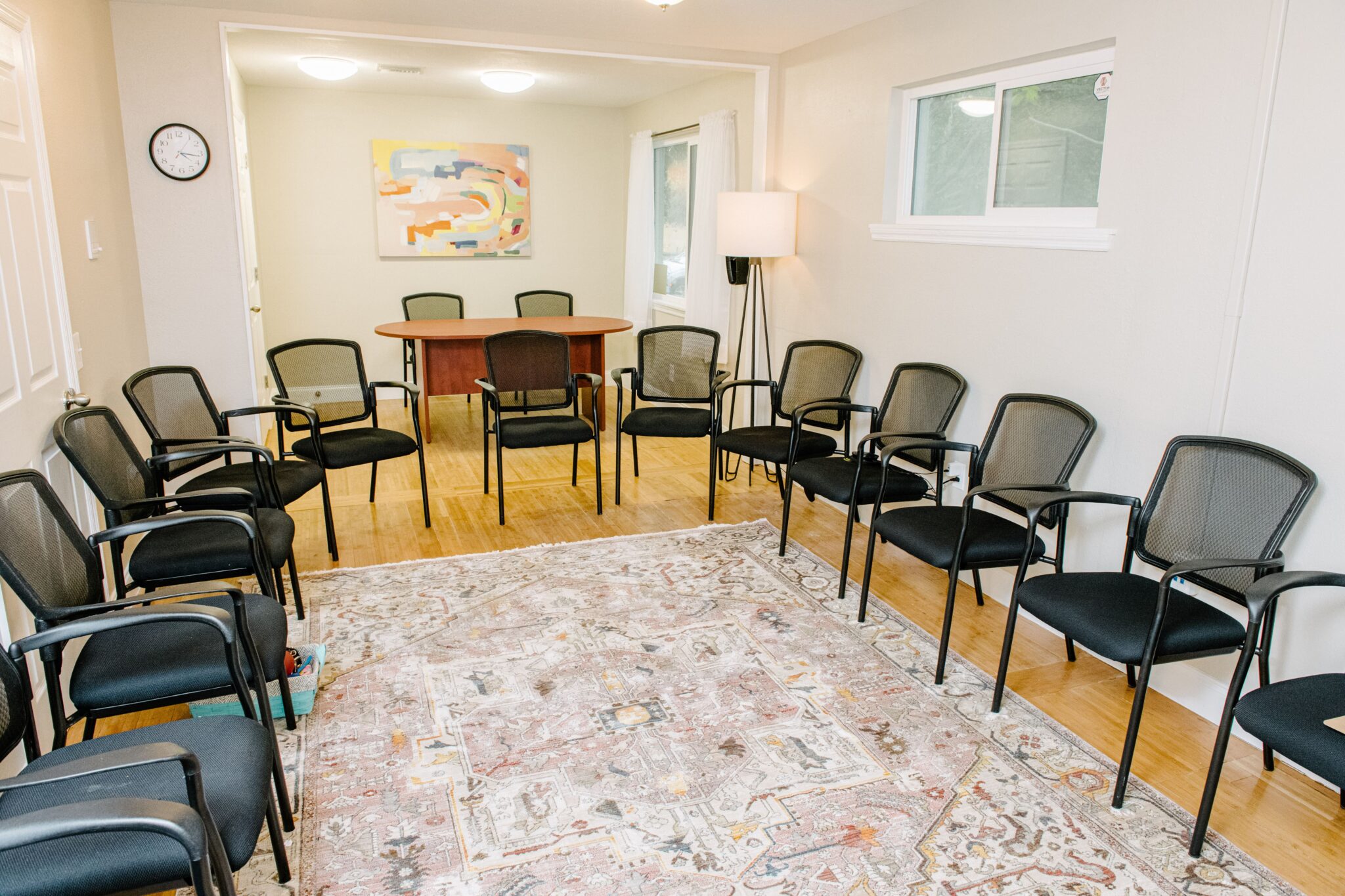
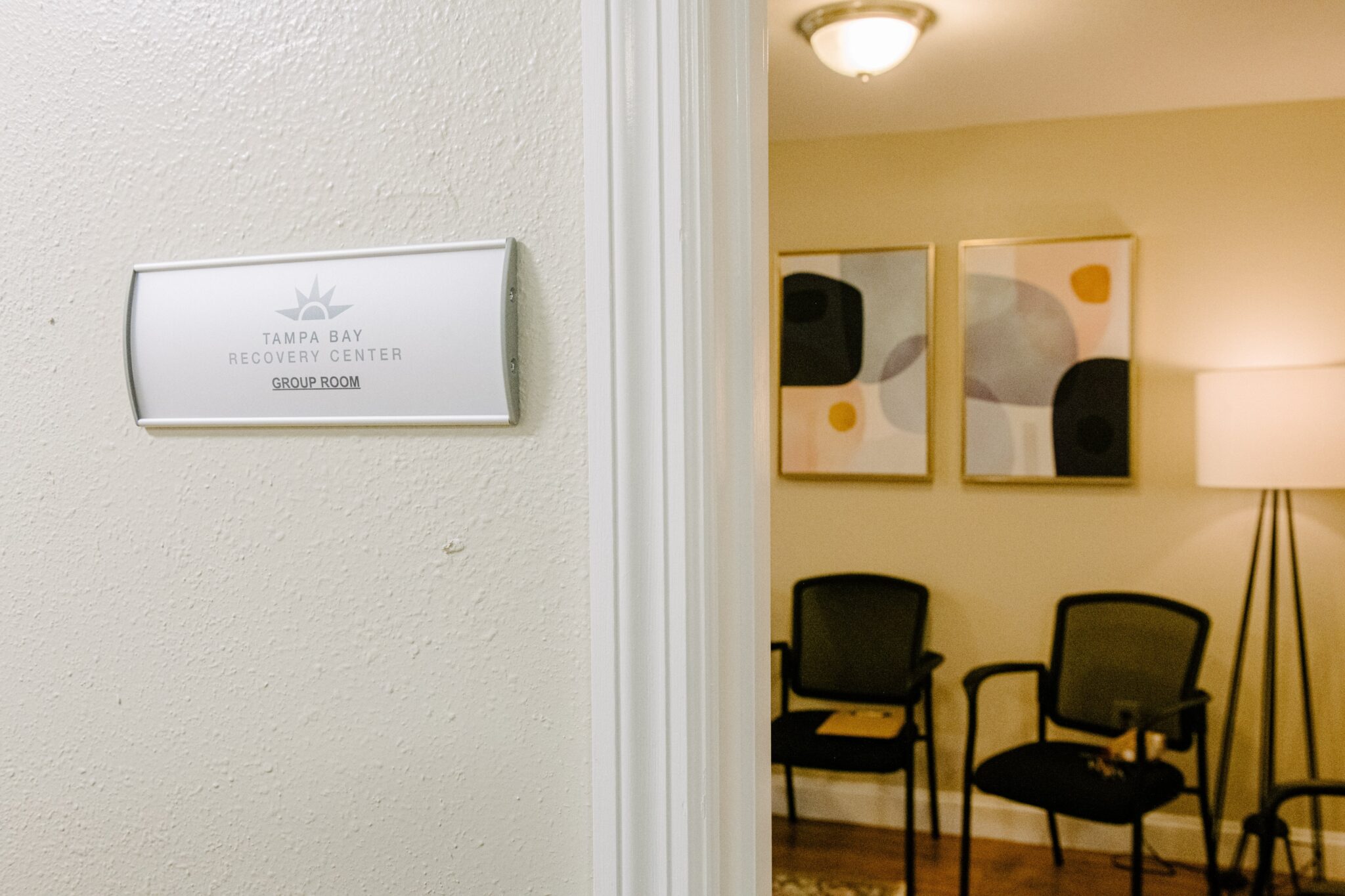
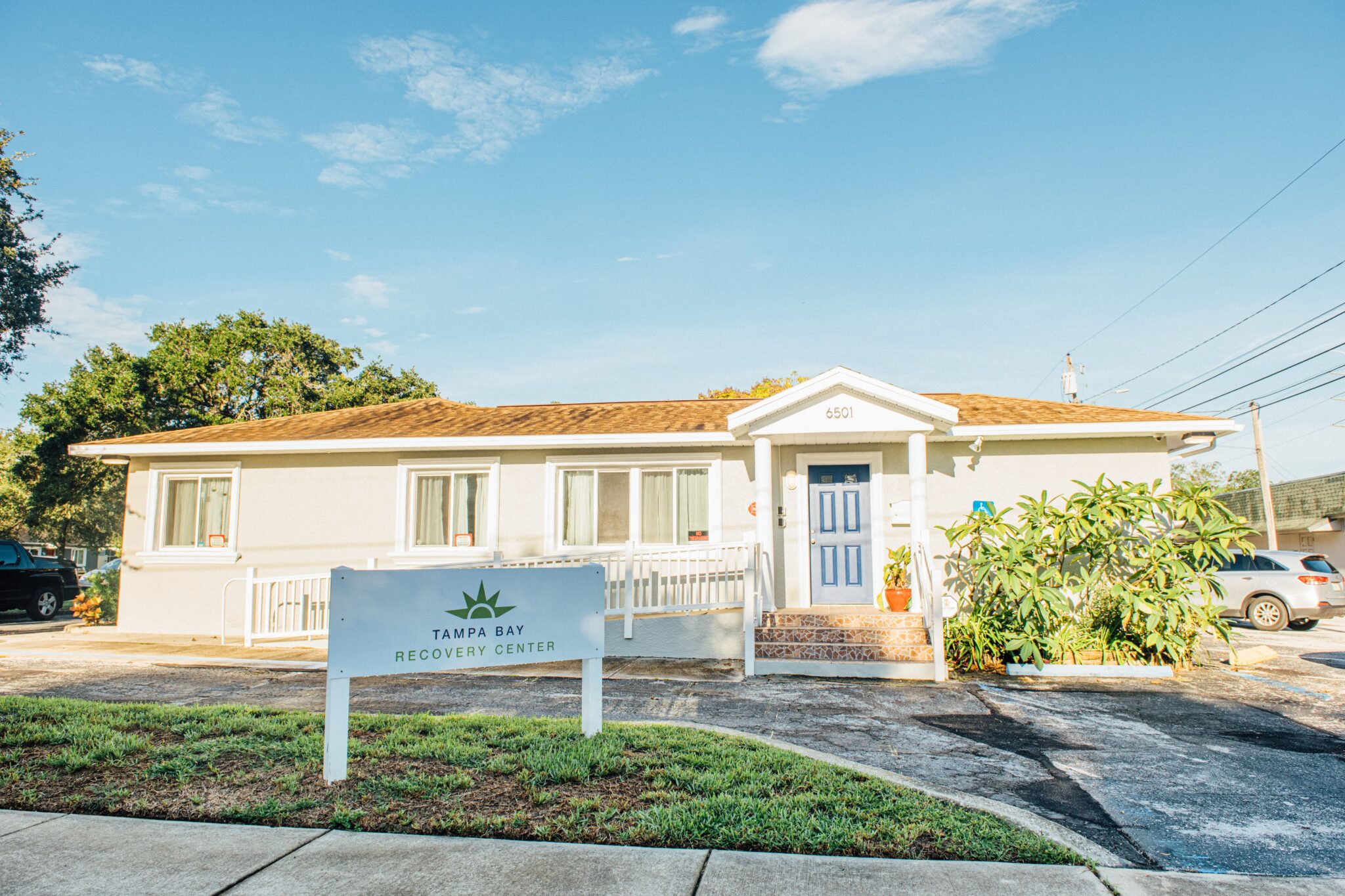
Daytime Intensive Outpatient Program
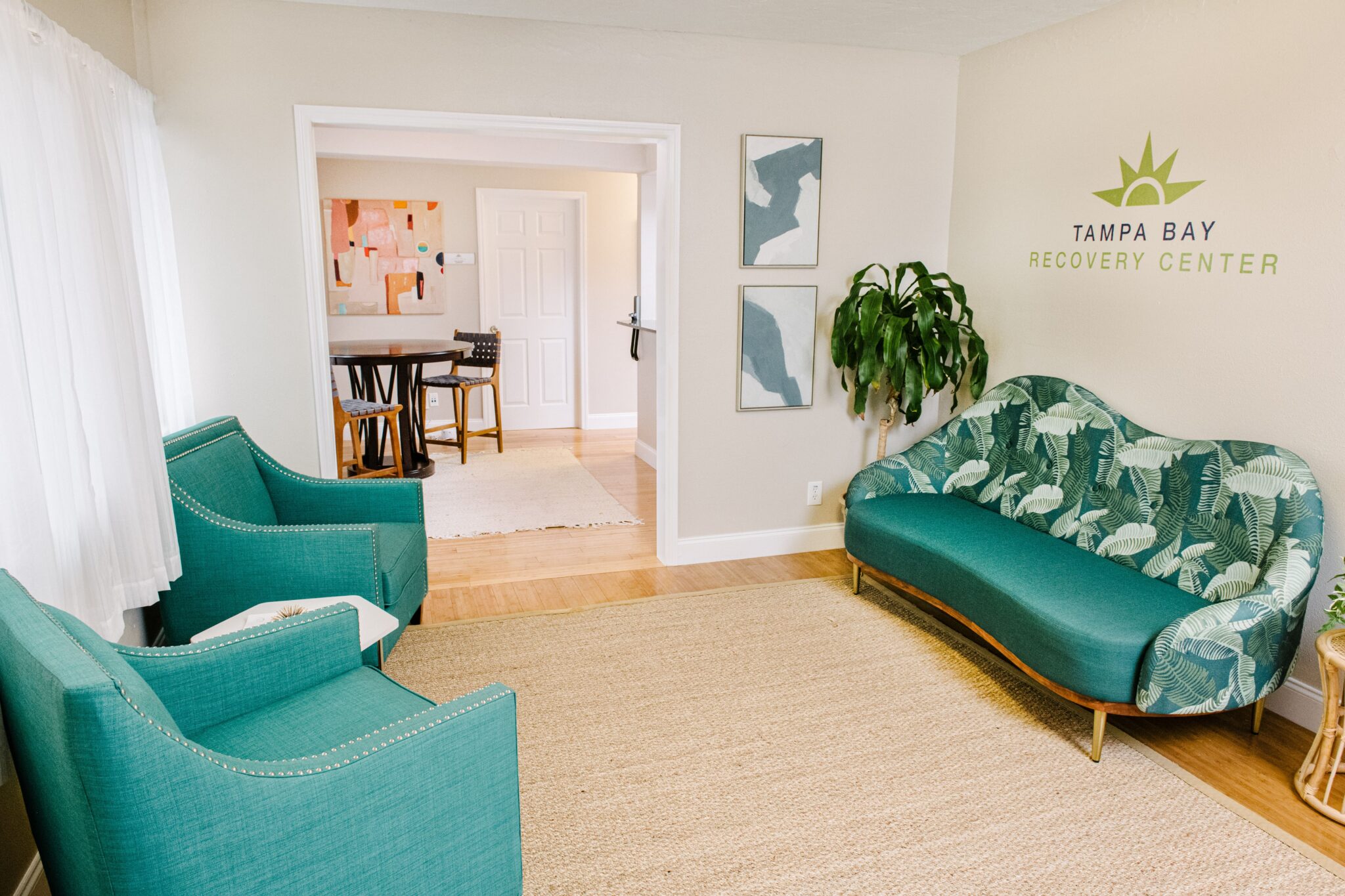
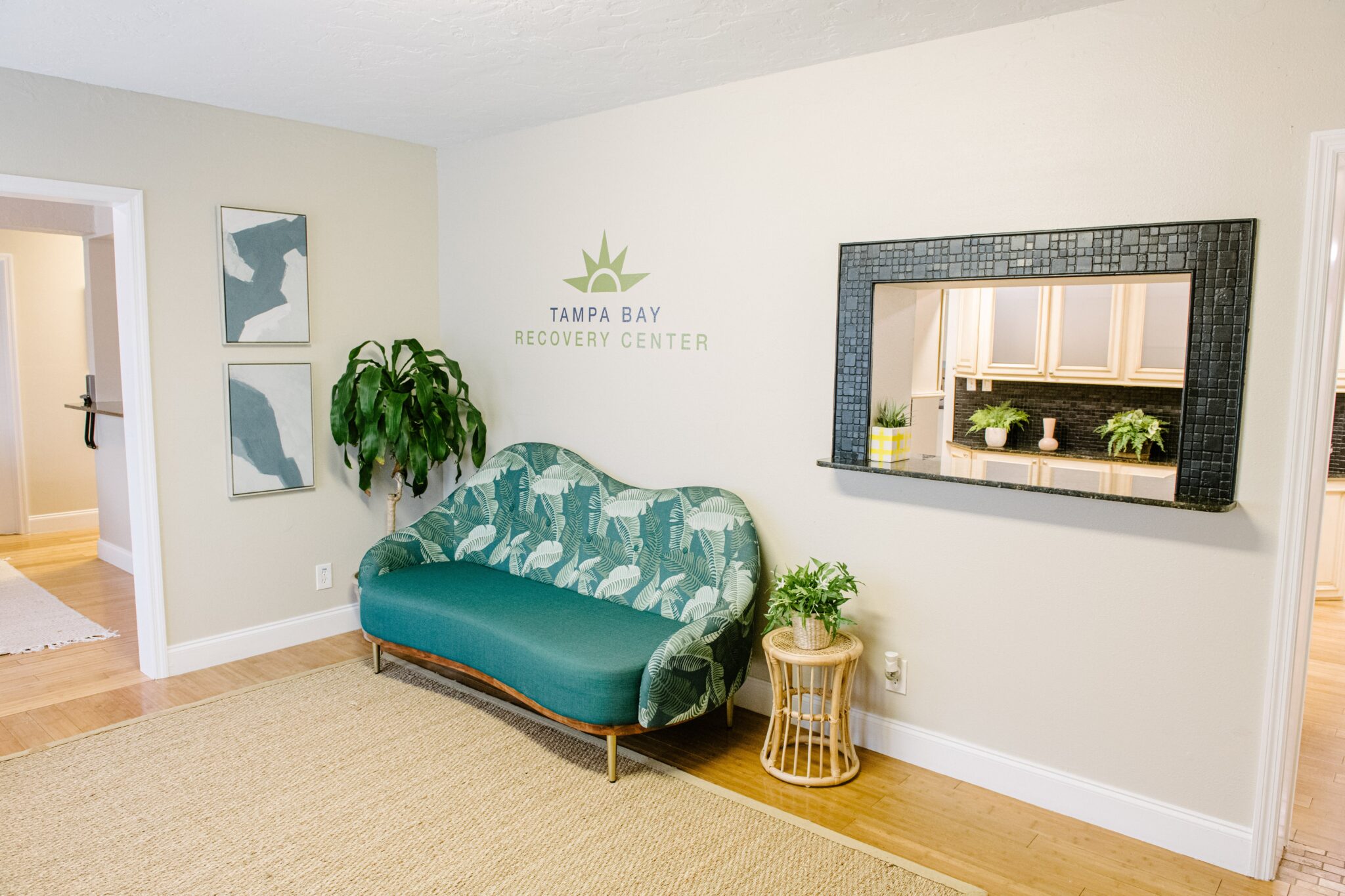
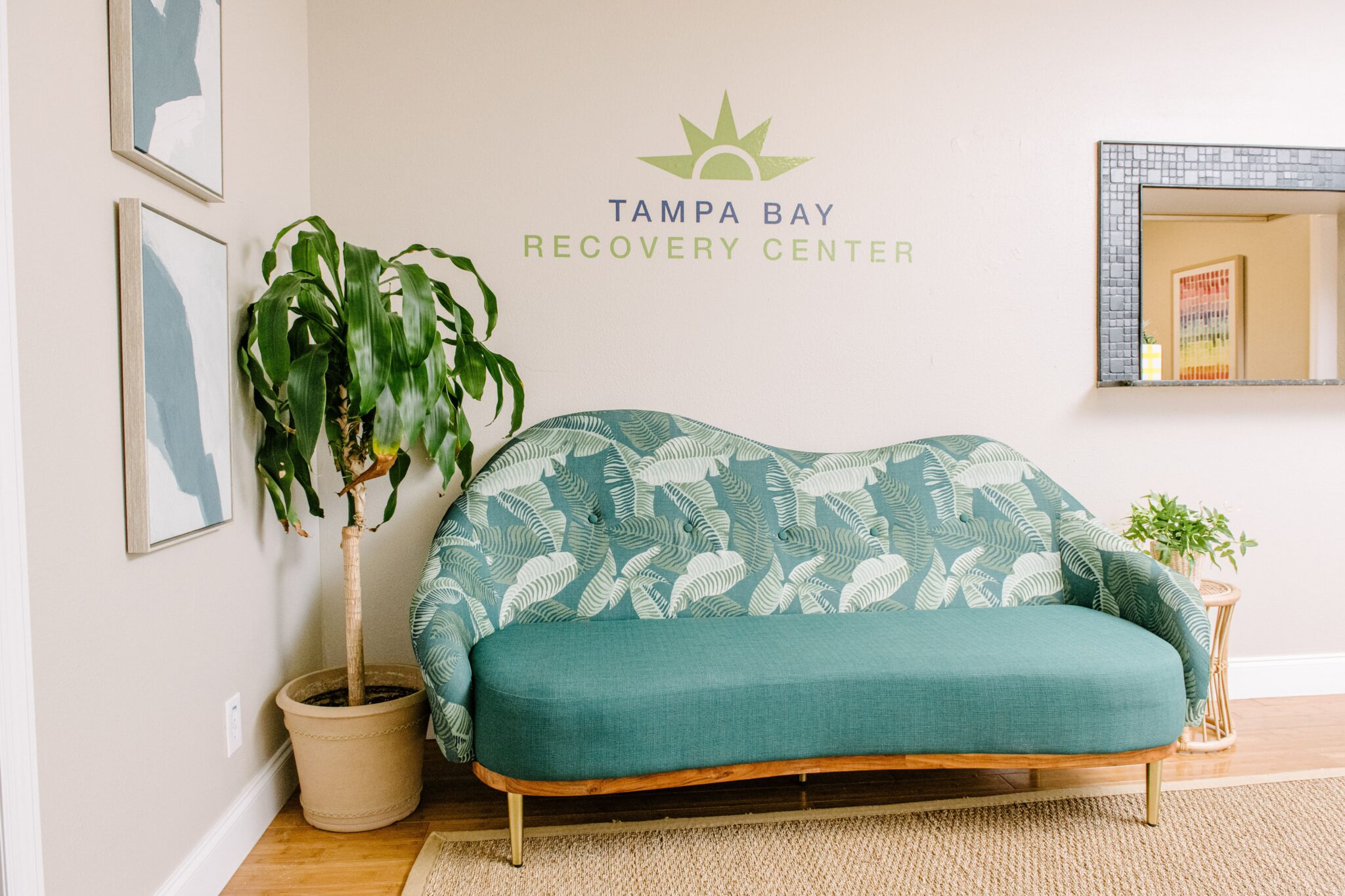
Our daytime IOP takes place Monday through Saturday from 9:00 AM to 12:30 PM. Daytime IOP is perfect for those just stepping down from our Partial Hospitalization Program (PHP) or are still need to continue employment or school.
Recommended: Can You Work While in Rehab?
Ready to Escape Addiction? Let’s get Started
Tampa Bay Recovery Center is a premier leader in the provision of addiction treatment services. If you or someone you love is in need of professional care to address a substance use disorder, reach out to us right now at (813) 733-8774 to speak with an admissions specialist who can get you started on the road to recovery.
What is IOP in Tampa Like?
When you arrive at Tampa Bay Recovery Center, we make a point to get to know you. Understanding your addiction history and needs allows us to help you set your treatment goals. In addition, IOP programs offer a variety of treatment options to best meet your needs in recovery.
Here’s everything you can expect at our intensive outpatient program:
Individual Therapy
Individual therapy sessions are offered once every other week. During this time, you’ll be assigned a primary therapist who will work with you to process triggers, childhood trauma, and maladaptive coping mechanisms, and help set up a relapse prevention plan to help you succeed when you’re not in programming.
Group Therapy
Group therapy is one of the most useful tools in our Tampa Intensive Outpatient Program. Group therapy helps individuals manage and process their feelings around addiction, mental health issues, and past behavior. Group therapy often looks like multiple people sharing their feelings about what they’re currently experiencing.
The amount of group therapy varies for each client depending on what program they attend. Group therapy can be a useful tool in helping find support from other clients who are experiencing the same emotions about early sobriety.
Medication-Assisted Treatment (MAT)
Upon admission into our program, clients meet with our Medical Director or Nurse Practitioner for a medical evaluation and/or medication management and medication-assisted treatment (MAT). During this collaborative process, clients discuss with our doctor what may be working for them and what may not be working for them. Clients in IOP regularly meet with our medical staff once every other week.
Holistic Treatment
Holistic treatment approaches offer clients additional ways to cope with daily stressors that could trigger symptoms. Clients can easily incorporate holistic approaches into their everyday lives. Some of our approaches include:
- Meditation
- Nutritional education
- Exercise
- Yoga
Trauma-Informed Care
Many clients at our IOP programs have a history of traumatic events that have shaped their lives. Oftentimes, these events lead to maladaptive coping skills like substance abuse or developing a mental health disorder. Trauma-informed care approaches ensure that the impact of trauma does not go unacknowledged throughout treatment.
It’s important to note that trauma-informed care doesn’t only relate to those with trauma disorders, like post-traumatic stress disorder (PTSD). Rather, this approach considers how the person’s history impacts their present need for treatment, regardless of their diagnosis. In other words, as stated by the Center for Health Care Strategies (CHCS), “Trauma-informed care acknowledges the need to understand a patient’s life experiences in order to deliver effective care.”
Drug and Alcohol Monitoring
While there’s typically less structure and accountability in IOP, we still ensure that our clients are on the right path to recovery. We conduct daily breathalyzer testing and weekly drug testing which also allows for alcohol use detection. We also provide other tools to maintain accountability including standardized meetings.
In addition, clients have the option to live in our structured sober living homes which are less than a half a mile from our clinical campus.
Is IOP the Right Level of Care For Me?
The first step in treatment for a substance use disorder is detox in Tampa. After that, a person either moves to residential or outpatient rehab. IOP works well for those who still need focused care but do not need to spend as much time in it as PHP programs and residential treatment require.
Someone who is coming out of a long period of addiction often excels in IOP. Similarly, it can work well for those who have been in treatment before but relapsed. Our intensive outpatient program in Tampa can help many people but is best if you have established the following:
- Completed detox or a residential program
- Already have a supportive environment around you
- Must continue maintaining employment, and school, or cannot leave home
- You are willing to put forth the effort to stay sober
Overcome Addiction with evidence-based, expert care.
What Is the Difference Between PHP and IOP?
IOP and PHP in Tampa do have something in common. Both take place during the day. People who participate in them may live at home or in sober living homes at night. However, there are some differences between the two types of programs. The first has to do with the time commitments involved and the program schedule. PHP typically takes place five to six days per week. The person is required to attend treatment for several hours per day.
Intensive Outpatient Programming in Tampa requires less time from each participant. IOP usually takes place anywhere from three to five days per week. The amount of time that sessions last per day varies from three to five hours.
PHP sessions often mirror those that happen in residential treatment. In addition, IOP is more of a step down from that level of intensity. IOP is better suited for someone who is closer to graduating from treatment than those who need PHP.
How Long Does IOP Last?
IOP in Tampa varies in how long it lasts. Each person is different in terms of where they are in recovery. In addition, each client makes progress at different paces. The average IOP treatment lasts at least 30 days. It can extend to ninety days or more.
Our team of clinicians will discuss with each person where they are in their progress during the IOP program. This will help them determine how long treatment should last. As with all addiction or dual diagnosis treatment, the longer a person commits to it, the more likely they are to enjoy long-term sobriety.
Recommended: How Long Does IOP Last?
Does Insurance Cover IOP?
Tampa Bay Recovery Center accepts most major insurance, such as Cigna and Aetna, for all levels of care, including our IOP. Of course, the scope of your insurance coverage can vary depending on who your provider is and what is spelled out in your plan.
We realize that determining how you will fund treatment can be a significant concern. We also understand that it can be challenging to unravel the complexities of an insurance policy. The good news is that we are here to help. With your permission, we can contact your insurance provider to confirm your coverage and verify the extent of your benefits.
Please don’t let financial worries prevent you from contacting our center. A member of our team can answer all your insurance-related questions and clarify any matters you’re unsure about. Once you have complete and accurate information, you will be prepared to make the best decisions for yourself or your loved one.
What Comes After IOP?
Completing IOP is a significant milestone — but recovery doesn’t stop when structured programming ends. The transition out of IOP is one of the highest-risk periods in early recovery, and having a clear aftercare plan in place before that transition happens meaningfully improves long-term outcomes.
At Tampa Bay Recovery Center, we begin planning your next steps well before your final day in IOP. Here’s what the path forward typically looks like:
Outpatient Rehab — Standard outpatient therapy is the most common step down from IOP. Sessions are less frequent — typically one to two times per week — and focus on maintaining the progress made in IOP, processing ongoing challenges, and building the relapse prevention skills needed for long-term sobriety. Outpatient therapy provides continued clinical accountability without the time commitment of IOP.
Sober Living — For clients who want added structure and peer accountability after IOP, sober living provides a substance-free living environment with house rules, regular drug testing, and a built-in recovery community. Tampa Bay Recovery Center’s sober living homes are located less than a half mile from our clinical campus, making them a seamless option for clients transitioning out of IOP. Research consistently supports sober living as a protective factor against relapse in the months immediately following treatment.
Long-Term Rehab — Some individuals benefit from an extended treatment timeline beyond the standard IOP duration. Long-term rehab is appropriate for clients with a complex history of relapse, multiple co-occurring conditions, or limited support systems outside of treatment. Our clinical team can help assess whether a longer-term structure is the right fit.
Alumni and peer support — Recovery is sustained through community. Before leaving IOP, your clinical team will connect you with local recovery support groups, 12-step or alternative peer support programs, and alumni resources to help you stay connected to a recovery community after programming ends.
The goal is to leave IOP with a plan — not a question mark. Your treatment team will work with you directly to map out aftercare that fits your life, your goals, and where you are in your recovery.
What is the difference between IOP and standard outpatient therapy?
Standard outpatient therapy typically involves one to two sessions per week and is designed for individuals who have already built a stable recovery foundation. IOP is significantly more intensive — multiple sessions per week totaling nine or more hours — and is specifically structured for individuals who still need substantial clinical support but do not require the full intensity of PHP. IOP includes group therapy, individual therapy, psychiatric care, drug and alcohol monitoring, and skills-based programming. Standard outpatient therapy generally does not.
What is the difference between IOP and PHP?
PHP is the higher level of care. It runs approximately six hours per day, five to six days per week, and mirrors the intensity of residential treatment without the overnight stay. IOP runs three to three and a half hours per day on a reduced schedule and is designed for individuals who have progressed clinically to the point where they can manage more of their day independently. Most clients complete PHP before transitioning into IOP as part of a planned step-down.
How many hours per week is IOP at Tampa Bay Recovery Center?
Our daytime IOP runs Monday through Saturday from 9:00 AM to 12:30 PM, totaling approximately 21 hours of structured programming per week. Individual therapy, MAT appointments, and case management are scheduled in addition to the standard group schedule.
Can I work or go to school while in IOP?
Yes — IOP is specifically designed to allow clients to maintain employment, school, and family responsibilities alongside treatment. Our daytime schedule runs in the morning and ends by 12:30 PM, leaving afternoons and evenings available. Many clients manage work or school schedules around IOP without significant disruption.
Does insurance cover IOP in Florida?
Yes — most major insurance plans cover Intensive Outpatient Programs as a medically necessary level of care. Tampa Bay Recovery Center is in-network with Aetna, Blue Cross Blue Shield, Cigna, and United Healthcare. Verify your insurance online or call 813-733-8774 to speak with our admissions team about your specific coverage.
How long does IOP last?
IOP at Tampa Bay Recovery Center typically lasts a minimum of 30 days and can extend to 90 days or more depending on individual progress. Your clinical team reviews your progress regularly and adjusts the timeline based on where you are in your recovery — not a fixed calendar date. Research consistently shows that longer engagement in treatment is associated with better long-term outcomes.
Do I have to have completed detox or PHP before starting IOP?
Not necessarily. While many clients enter IOP after completing detox or PHP, some individuals begin treatment at the IOP level if their clinical assessment indicates it is the appropriate starting point. Our admissions team conducts a thorough intake evaluation to determine the right level of care for each person’s specific situation.
What if I relapse during IOP?
A relapse during IOP does not automatically mean treatment is over. Our clinical team will assess the circumstances, adjust your treatment plan if needed, and determine whether a step-up to a higher level of care is clinically indicated. The goal is to respond to a relapse as a clinical event — not a failure — and use it to strengthen the recovery plan going forward.
What happens if I need more support than IOP provides?
If your clinical needs increase during IOP — due to a relapse, a mental health crisis, or other factors — our team can facilitate a step-up to PHP without you having to start over at a new facility. Having access to a full continuum of care within the same treatment center means transitions are coordinated, not disruptive.
Call 813-733-8774
Insurance Can Cover Up to 100% of costs
We Accept Most Insurance. Please Note We Are Not Affiliated With Or Endorsed By Insurance Companies.
CONTACT US
We Are Always Here For You
Our compassionate team is ready to assist you—contact us now for confidential support tailored to your needs!