Home Programs Detox
Detox Tampa FL programs at Tampa Bay Recovery Center are designed to keep you safe, minimize discomfort, and set you up for what comes next. Whether you’re dealing with alcohol, opioids, benzodiazepines, or other substances, our team helps you navigate the process and transition directly into ongoing treatment.
For most people, detox is where recovery actually begins. It’s the moment the body starts clearing out the substances that have been running the show. While that process can be uncomfortable, getting through it with proper medical support makes all the difference.
If you or a love one are struggling with substance use disorder, call us now at 813-733-7604. Our rehab programs in St. Petersburg can help you achieve long-lasting recovery.
What Is Detox?
Detox is the process of allowing the body to rid itself of a substance while managing the withdrawal symptoms that follow. It’s the first clinical step in addiction treatment.
During detox, a medical team monitors your vital signs, manages symptoms, and provides medication when needed to keep you stable. The goal is to get you through the physical phase of withdrawal safely so you can fully engage in therapy and the recovery work ahead.
Detox typically involves three stages:
- A thorough intake assessment
- Medical stabilization during withdrawal, and
- Planning for the next level of care.
How Do I Know I Need Detox?
If you’ve been using drugs or alcohol heavily and regularly, your body has likely developed a physical dependence. Stopping suddenly can trigger withdrawal symptoms that range from uncomfortable to dangerous.
Signs you may need medically supervised detox include feeling sick or anxious when you don’t use, needing to use just to feel normal, a history of withdrawal symptoms in the past, using multiple substances at the same time, or previous failed attempts to quit on your own.
For alcohol, benzodiazepines, and opioids especially, attempting to detox without medical supervision carries serious risks. Please don’t try to do this alone.
Understanding Detox Programs in Tampa
Not everyone needs the same level of detox care. The right setting depends on your substance use history, the severity of your dependence, your physical health, and your home environment.
- Ambulatory Detox allows patients to live at home while checking in regularly with medical staff. It’s appropriate for people with mild to moderate withdrawal risk, a stable living situation, and a strong support system at home.
- Outpatient Detox combines professional medical monitoring with the flexibility of returning home each day. Patients attend appointments for evaluation and counseling while maintaining their daily routines. This works well for those whose withdrawal symptoms are manageable and who have motivation and home support.
- Medically Monitored Detox is a residential program with 24-hour medical supervision. It’s the right level of care for people with moderate to severe addiction, a history of complicated withdrawals, co-occurring medical conditions, or limited support at home.
If you don’t qualify for outpatient detox, Tampa Bay Recovery Center will connect you with a trusted local detox facility before you step into our programming.
TOUR
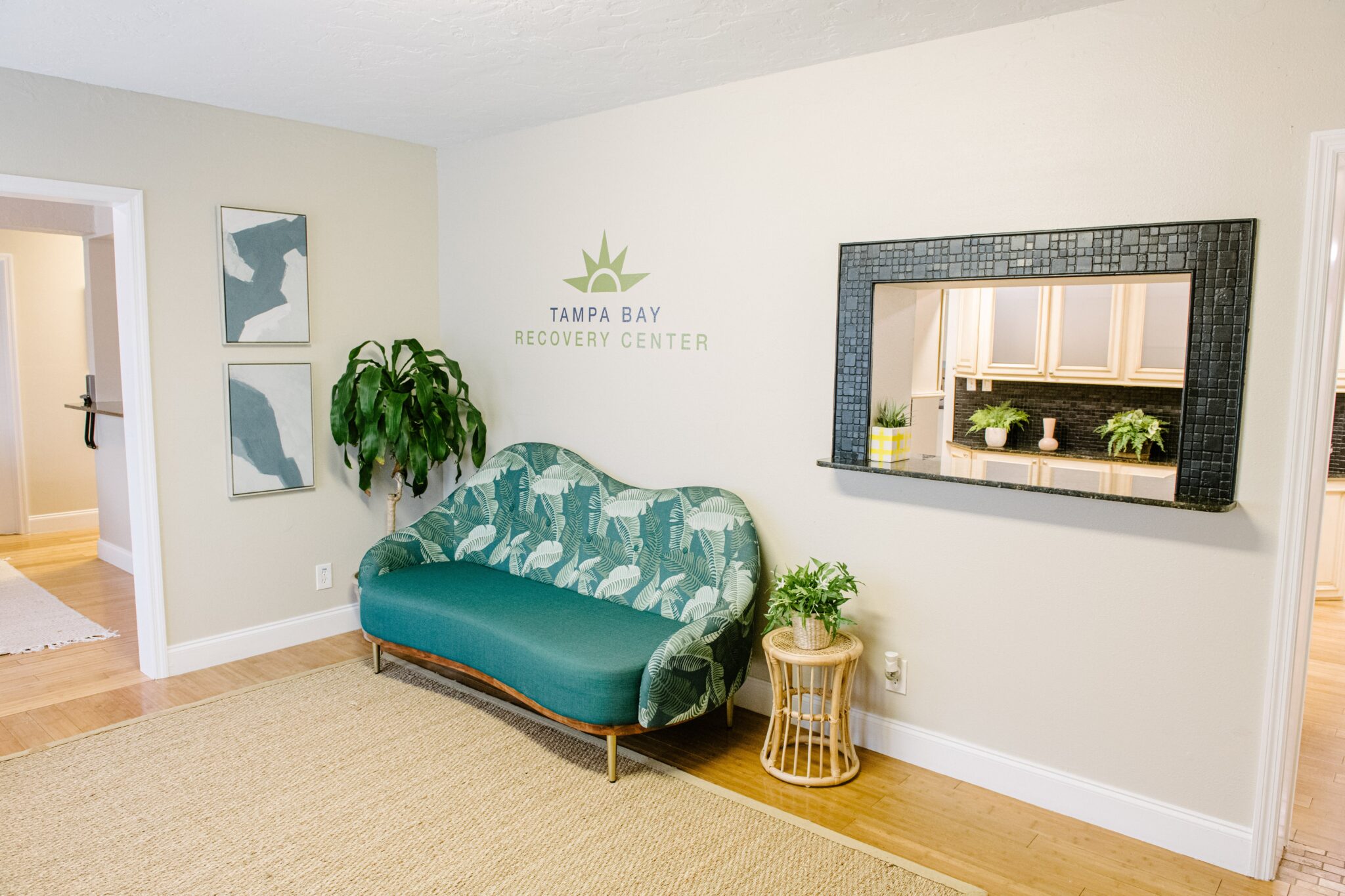
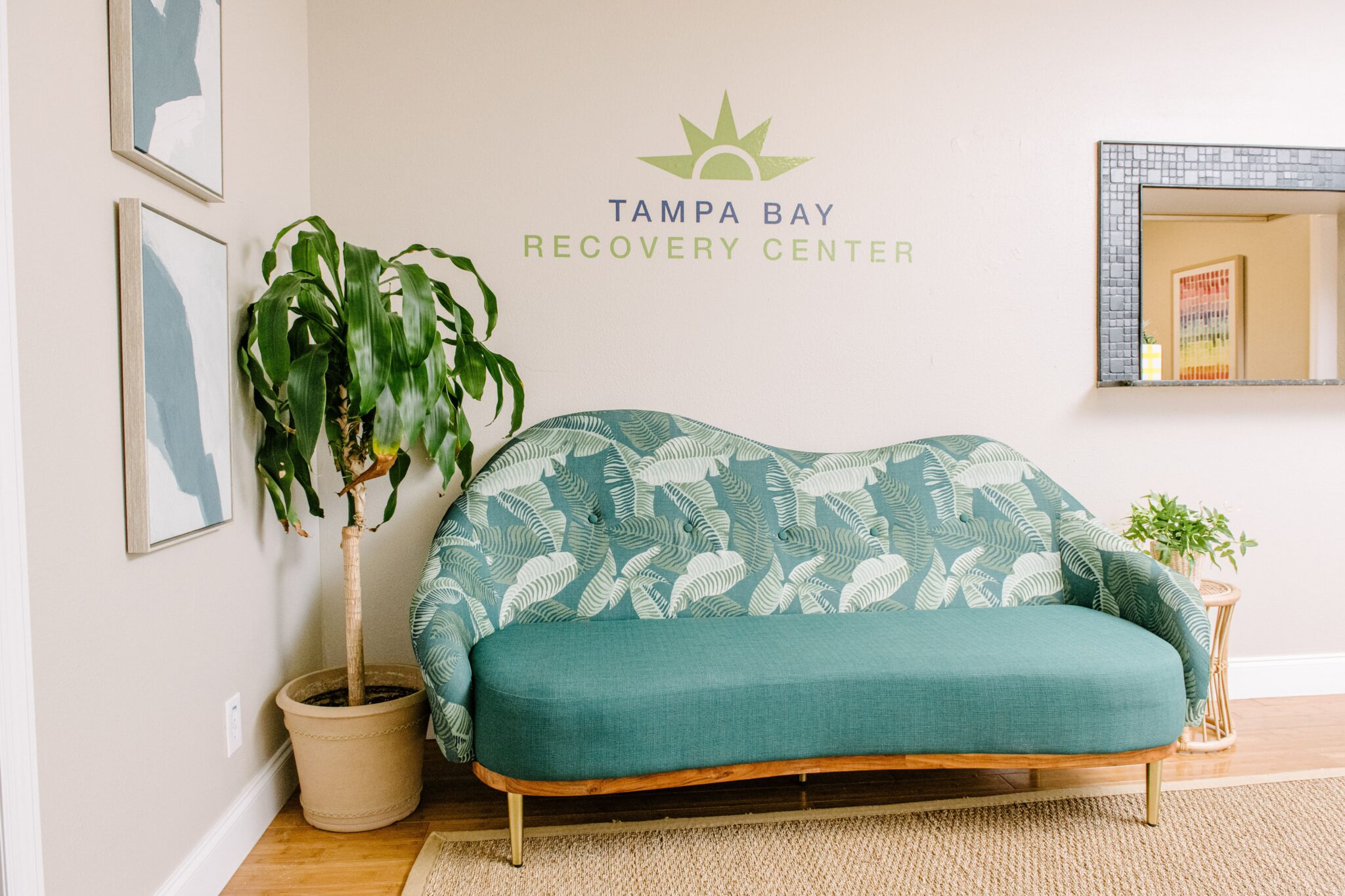
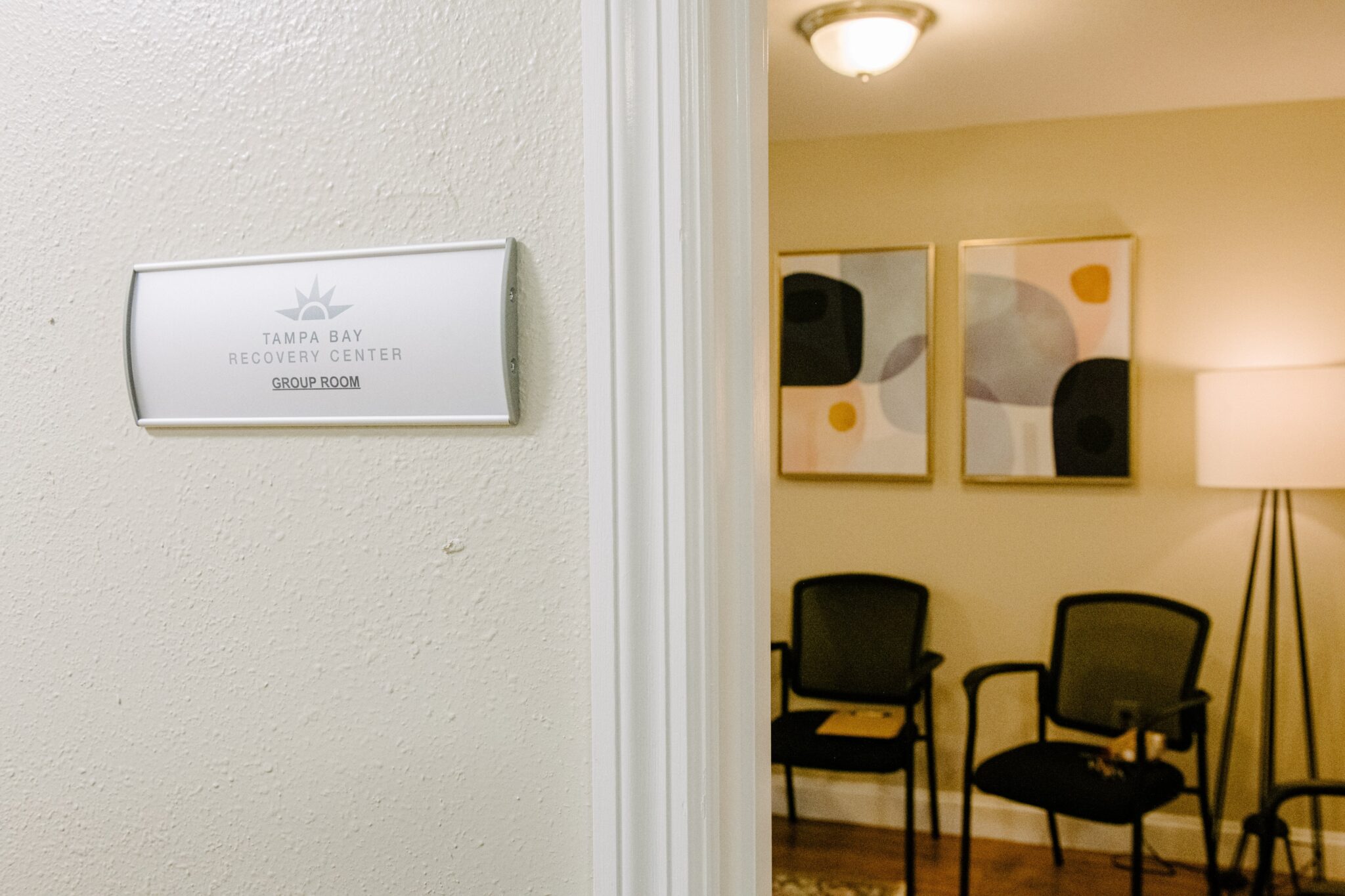
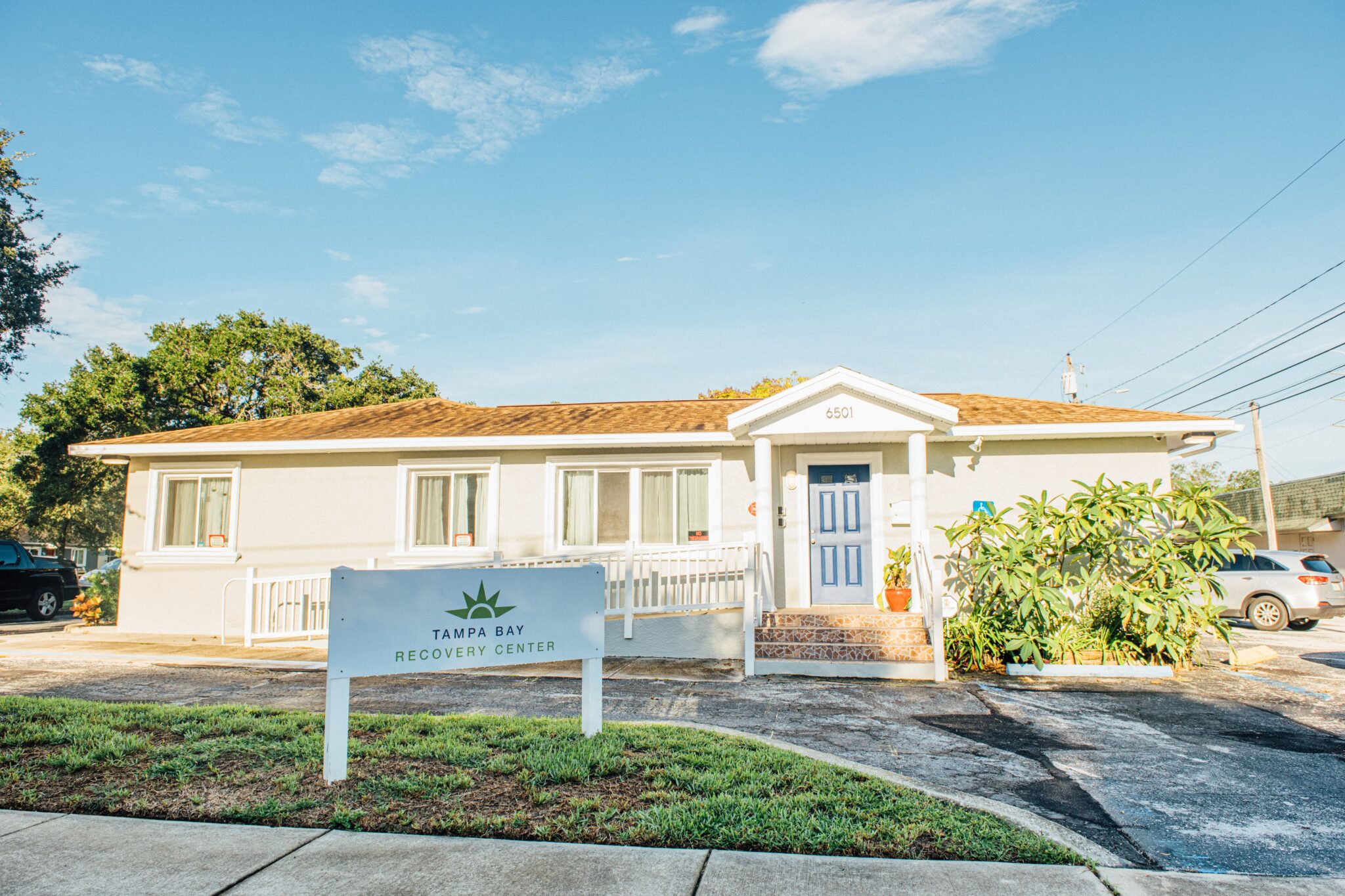
Tour Our Outpatient Detox Facility


Alcohol Detox Programs in Tampa
Alcohol withdrawal is one of the most medically serious types of detox. Unlike many other substances, stopping alcohol abruptly after heavy, prolonged use can be life-threatening without proper supervision.
What to Expect During Alcohol Detox
When you arrive, our team performs a full assessment to understand your drinking history, physical health, and risk level. From there, a personalized detox plan is created. Medical staff monitor you throughout the process and adjust your care as symptoms evolve. FDA-approved medications are used when appropriate to ease the process and reduce risk.
Understanding Alcohol Withdrawal
Alcohol withdrawal happens because the brain has adapted to the presence of alcohol over time. When alcohol is removed, the nervous system goes into overdrive. The intensity of withdrawal depends on how long and how heavily a person has been drinking, their overall health, and whether they’ve experienced withdrawal before.
Alcohol Withdrawal Symptoms
Symptoms typically begin within 6 to 24 hours of the last drink and can include anxiety, tremors, sweating, nausea, vomiting, headache, and elevated heart rate. In more severe cases, symptoms can progress to hallucinations, seizures, and delirium tremens — a potentially fatal complication that requires emergency medical care.
Drug Detox Programs in Tampa
Drug withdrawal looks different depending on the substance, and each type carries its own set of risks and challenges.
Types of Drug Detox
- Opioid Detox addresses withdrawal from prescription painkillers like OxyContin and hydrocodone as well as street opioids like heroin and fentanyl. Medication-assisted treatment is commonly used to reduce cravings and ease the withdrawal process.
- Benzodiazepine Detox requires careful medical management. Stopping benzos like Xanax, Valium, or Ativan abruptly can cause seizures. A gradual tapering schedule is almost always necessary.
- Cocaine Detox is less physically dangerous but comes with intense psychological symptoms like depression, fatigue, and powerful cravings that require therapeutic as well as medical support.
- Prescription Drug Detox addresses dependence on stimulants, sleep aids, and other pharmaceuticals with individualized medical protocols.
Side Effects of Drug Detox
Common withdrawal symptoms across substances include nausea, vomiting, sweating, muscle aches, insomnia, anxiety, irritability, and cravings. More severe symptoms can include hallucinations, seizures, dangerous changes in heart rate, and psychiatric emergencies.
Many people also experience Post-Acute Withdrawal Syndrome (PAWS) after the initial detox phase (lingering symptoms like mood swings, cognitive fog, low energy, and intermittent cravings that can last weeks or months). Understanding PAWS helps people stay the course when symptoms resurface unexpectedly.
The Tapering Process
For certain substances (particularly alcohol, benzodiazepines, and some prescription medications) abruptly stopping is dangerous. Tapering involves gradually reducing the dose over time under medical supervision, giving the body a chance to adjust without triggering severe withdrawal.
Your medical team develops an individualized tapering schedule based on your substance, your current usage, your health history, and your previous withdrawal experiences. The pace is adjusted based on how you respond.
Risks of Drug Withdrawal
Attempting to detox from drugs without medical supervision is genuinely dangerous. Risks include life-threatening seizures, dangerous cardiovascular events, severe dehydration, psychiatric emergencies, and, most commonly, relapse. After even a short period of abstinence, tolerance drops significantly, meaning a return to a previous dose carries a very high risk of overdose.
Medical supervision during detox dramatically reduces all of these risks.
What Happens Once Drug and Alcohol Detox in Tampa Is Over?
Completing detox is a real accomplishment. But it’s important to note that it’s only the beginning of the recovery process. The substances are out of your system, but the underlying issues that drove the addiction still need to be addressed. That’s what the next levels of care are for.
- Residential Treatment provides 24-hour care in a structured residential setting. It’s the highest level of care and is ideal for people with severe addiction, co-occurring mental health conditions, or limited support at home.
- Partial Hospitalization Program (PHP) is our most intensive outpatient option. Clients attend five days a week for six to eight hours per day, receiving therapy, group programming, and clinical support — then return home or to sober living each evening.
- Intensive Outpatient Program (IOP) offers a step down from PHP with a more flexible schedule. It’s designed for people who are stabilized but still need structured support as they transition back to everyday life.
- Outpatient Rehab provides ongoing therapy for people further along in recovery who want continued clinical support without a full-time schedule.
- Virtual Addiction Treatment makes PHP and IOP accessible through a secure telehealth platform for clients who can’t attend in person.
- Sober Living offers stable, substance-free housing alongside active clinical treatment — a combination that research consistently shows improves long-term outcomes.
More: What Happens After Detox?
How Tampa Bay Recovery Center Helps With Detox in Tampa
Tampa Bay Recovery Center operates primarily as an outpatient treatment provider. That means we see a lot of people who need detox before they’re ready to step into our PHP or IOP programs.
We don’t leave people to figure that part out alone. When someone comes to us and detox is clearly the first step, our admissions team helps identify the right local detox facility, supports the referral process, and stays in contact so the transition into our programming is smooth.
If you qualify for our outpatient detox program, you can begin the process directly with us. Our medical team monitors you through withdrawal while you participate in our daytime programming, then return home each evening.
Start Your Recovery Today
If you’re ready to stop, we’re ready to help. Detox Tampa FL programs at Tampa Bay Recovery Center are built around your safety, your comfort, and your long-term success.
Contact Tampa Bay Recovery Center any time of the day or night. We offer free, confidential insurance verification and can typically get people into care within days.
Frequently Asked Questions
What does detox cost?
Cost varies depending on the level of care. Outpatient detox is significantly less expensive than residential. Most major insurance plans cover detox, and many cover the full cost. Our team can verify your benefits for free before you commit to anything. Don’t let cost be the thing that stops you from calling.
Will I be comfortable during detox?
Some discomfort is a normal part of withdrawal, and we won’t pretend otherwise. But our medical team uses evidence-based medications and therapies to minimize symptoms as much as possible. You’ll be monitored throughout, and your treatment plan is adjusted based on how you’re responding.
Can I bring my own medications to detox?
All medications are reviewed by our medical team before or at admission. We coordinate with your prescribing physicians to maintain continuity of necessary medications while safely managing anything that could interfere with the detox process.
How long does detox take?
Most detox programs last one to two weeks, though this varies based on the substance, the severity of dependence, and individual health factors. Some substances (like benzodiazepines) require a longer, more gradual process. Your treatment team will give you a realistic estimate after your intake assessment.
Can I detox at home?
For mild cases with low medical risk, some people manage with medical guidance. But for alcohol, benzodiazepines, and severe opioid dependence, home detox is genuinely dangerous. Withdrawal from these substances can escalate quickly and become life-threatening without medical intervention. We strongly recommend calling us before attempting to stop on your own.
More on Detox

Jeffrey Cohen, M.ED, RMHCI
Clinically Reviewed
Jeff Cohen is a Primary Therapist at Tampa Bay Recovery Center, where he works with individuals experiencing substance use disorders, co-occurring disorders, and primary mental health conditions.
Take Back Control:
Verify Insurance
Addiction and mental health disorder effects the lives of millions of Americans each year. Contact Tampa Bay Recovery Center today to get the help you deserve.
Call 813-733-8774
Insurance Can Cover Up to 100% of costs
We Accept Most Insurance. Please Note We Are Not Affiliated With Or Endorsed By Insurance Companies.
CONTACT US
We Are Always Here For You
Our compassionate team is ready to assist you—contact us now for confidential support tailored to your needs!