Home Programs Alcohol Rehab
Medically Reviewed by Jeffrey Cohen, M.Ed, RMHCI
What often begins as occasional drinking can gradually become something much more difficult to control.
For many people, stopping on their own feels nearly impossible, especially when withdrawal symptoms and cravings are involved.
Seeking professional support can make the recovery process safer and far more sustainable. At Tampa Bay Recovery Center, individuals who need alcohol rehab in Tampa have access to comprehensive treatment designed to address both the physical and psychological aspects of addiction.
Our programs provide a supportive environment where individuals can safely step away from alcohol, understand the underlying causes of their substance use, and begin building the skills needed for lasting recovery.
Learn more about effective addiction treatment programs in Tampa or verify your insurance.
Alcohol Rehab Programs in Tampa Bay
Every person’s experience with alcohol addiction is different.
Some individuals may require medical support during early recovery, while others may benefit from structured therapy and ongoing outpatient care. Effective treatment recognizes these differences and provides multiple levels of support.
At Tampa Bay Recovery Center, our rehab programs are designed to meet individuals wherever they are in the recovery process.
Treatment may include several levels of care, allowing individuals to transition through recovery at a pace that supports long-term stability.
Medical Detox Coordination
For many individuals, the first step in recovery involves detoxification. Alcohol withdrawal can produce uncomfortable and sometimes dangerous symptoms, making professional supervision essential. Medical detox programs provide monitoring, medication support when necessary, and a safe environment where the body can begin adjusting to life without alcohol.
Partial Hospitalization Programs (PHP)
Partial hospitalization programs offer highly structured care during the day while allowing individuals to return home or to supportive housing in the evening. This level of care often includes therapy, counseling, relapse prevention education, and psychiatric support.
Intensive Outpatient Programs (IOP)
Intensive outpatient treatment allows individuals to participate in structured therapy while maintaining work, school, or family responsibilities. These programs provide consistent support and accountability while helping people practice recovery skills in their everyday lives.
Outpatient Treatment
Outpatient care offers continued therapeutic support as individuals gain confidence in their recovery. Sessions may focus on relapse prevention, emotional regulation, relationship repair, and long-term wellness.
By offering a continuum of care, Tampa Bay Recovery Center ensures that individuals receiving alcohol treatment have access to the level of support that best fits their needs at each stage of recovery.
Medication-Assisted Treatment for Alcohol Use Disorder
For some individuals, therapy alone may not be enough to manage the physical pull of alcohol dependence. Medication-Assisted Treatment (MAT) combines FDA-approved medications with evidence-based therapy to reduce cravings, ease withdrawal symptoms, and support long-term sobriety.
At Tampa Bay Recovery Center, we offer two medications specifically approved for the treatment of alcohol use disorder:
Naltrexone works by blocking the brain’s opioid receptors, which reduces the pleasurable effects of alcohol and weakens the reward cycle that drives cravings. It can be taken as a daily oral tablet or administered monthly as an extended-release injection.
Vivitrol is the injectable form of naltrexone, administered once a month by a healthcare provider. Because it eliminates the need for daily medication adherence, Vivitrol can be a strong option for individuals who want consistent, long-acting support during early recovery.
MAT is not a substitute for treatment — it works best when integrated into a comprehensive program that includes therapy, peer support, and relapse prevention planning. Our clinical team will assess whether MAT is appropriate for your situation and incorporate it into your individualized treatment plan when indicated.
Learn more about our Medication-Assisted Treatment program.

Jeffrey Cohen, M.ED, RMHCI
Clinically Reviewed
Jeff Cohen is a Primary Therapist at Tampa Bay Recovery Center, where he works with individuals experiencing substance use disorders, co-occurring disorders, and primary mental health conditions.
Take Back Control:
Verify Insurance
Addiction and mental health disorder effects the lives of millions of Americans each year. Contact Tampa Bay Recovery Center today to get the help you deserve.
TOUR
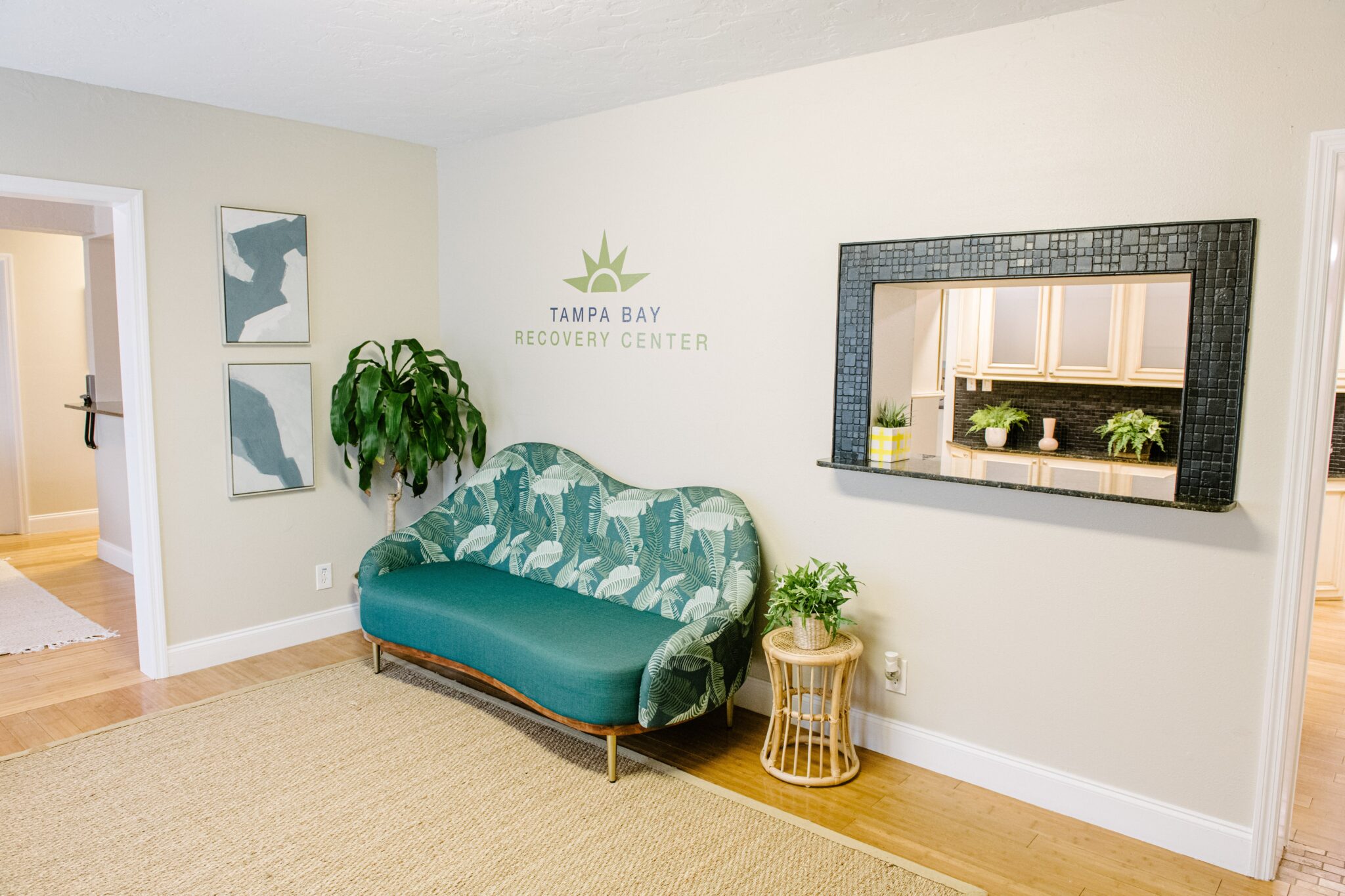
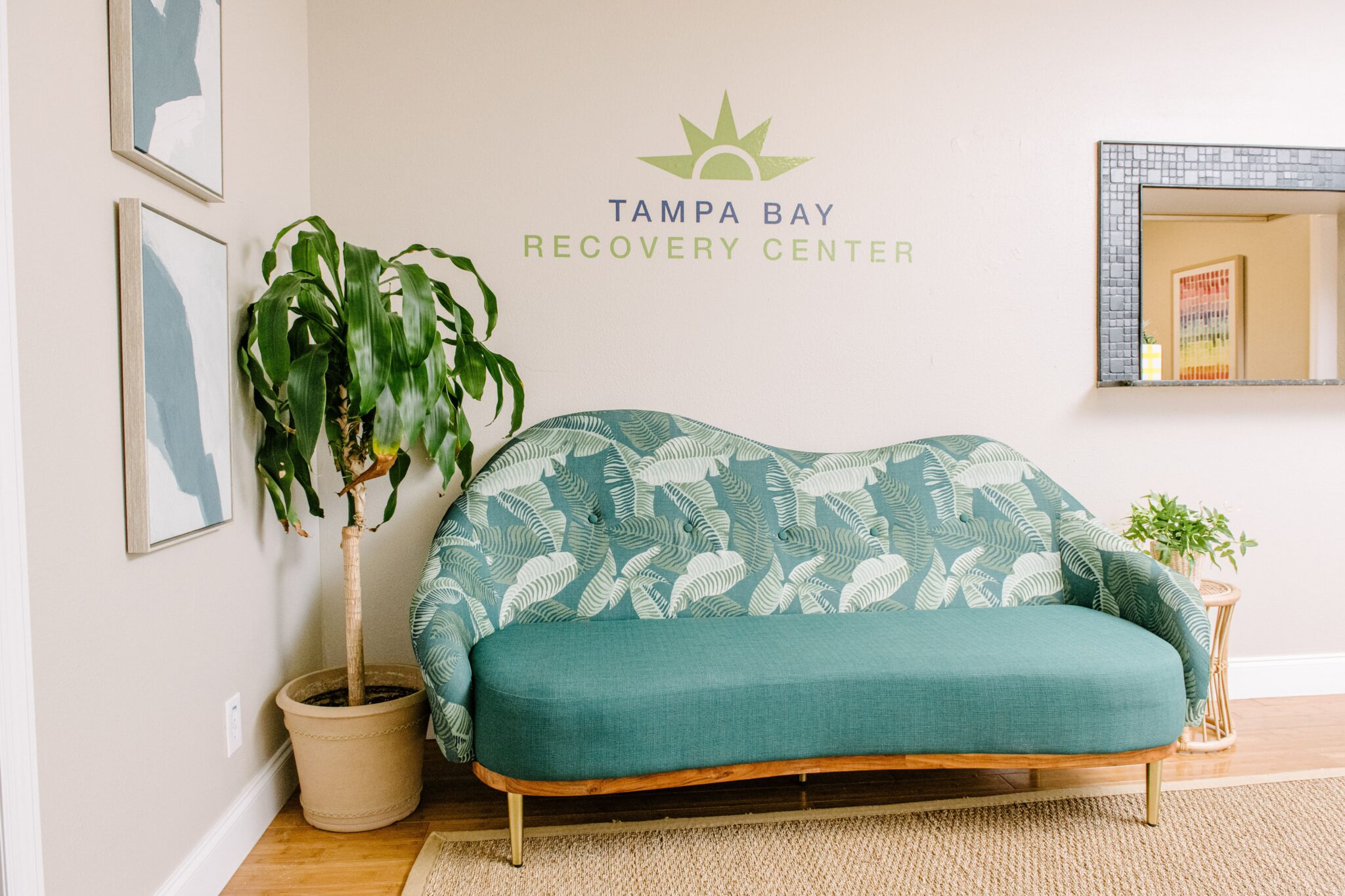
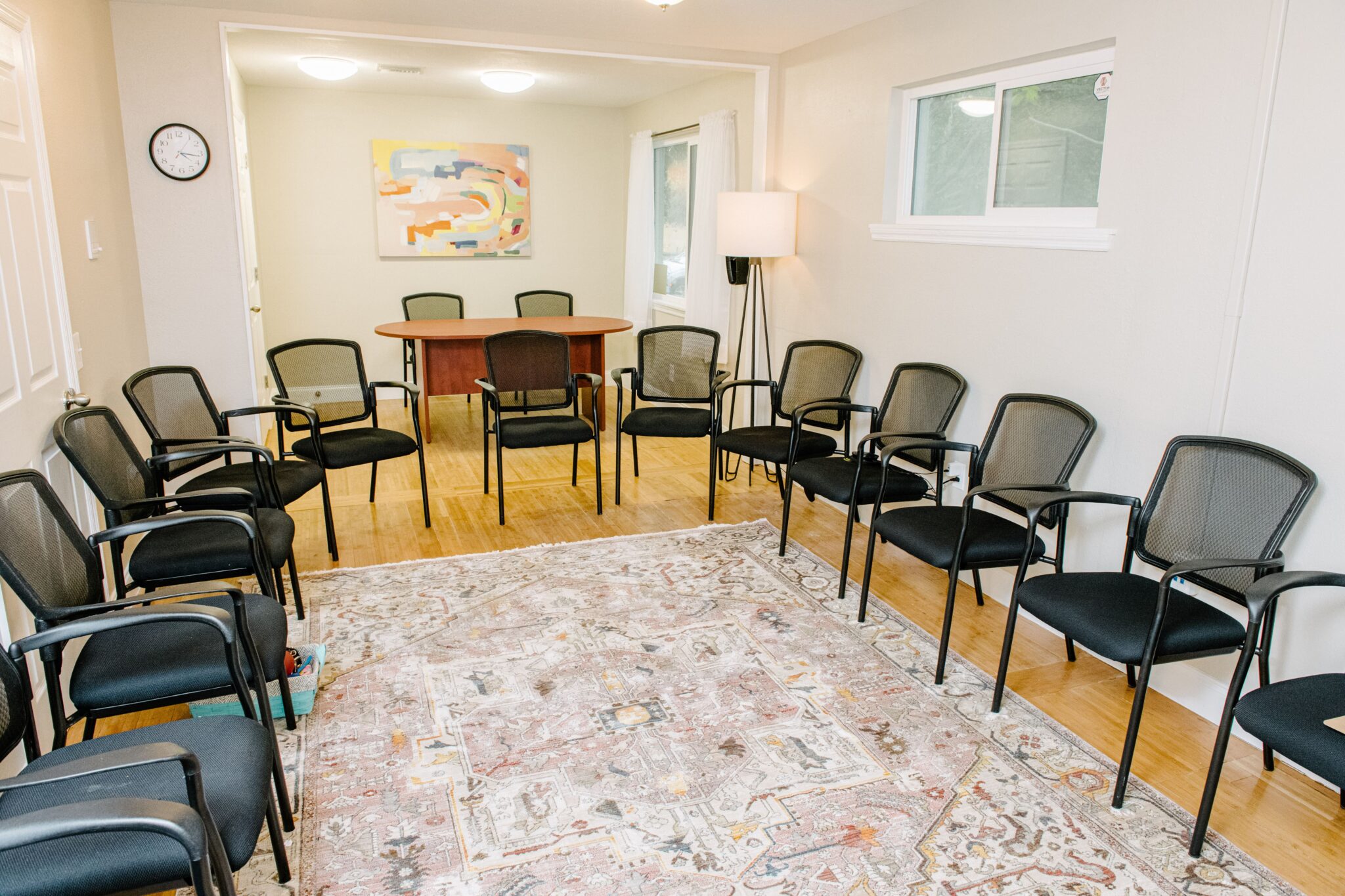
Tour Our Alcohol Rehab Programs

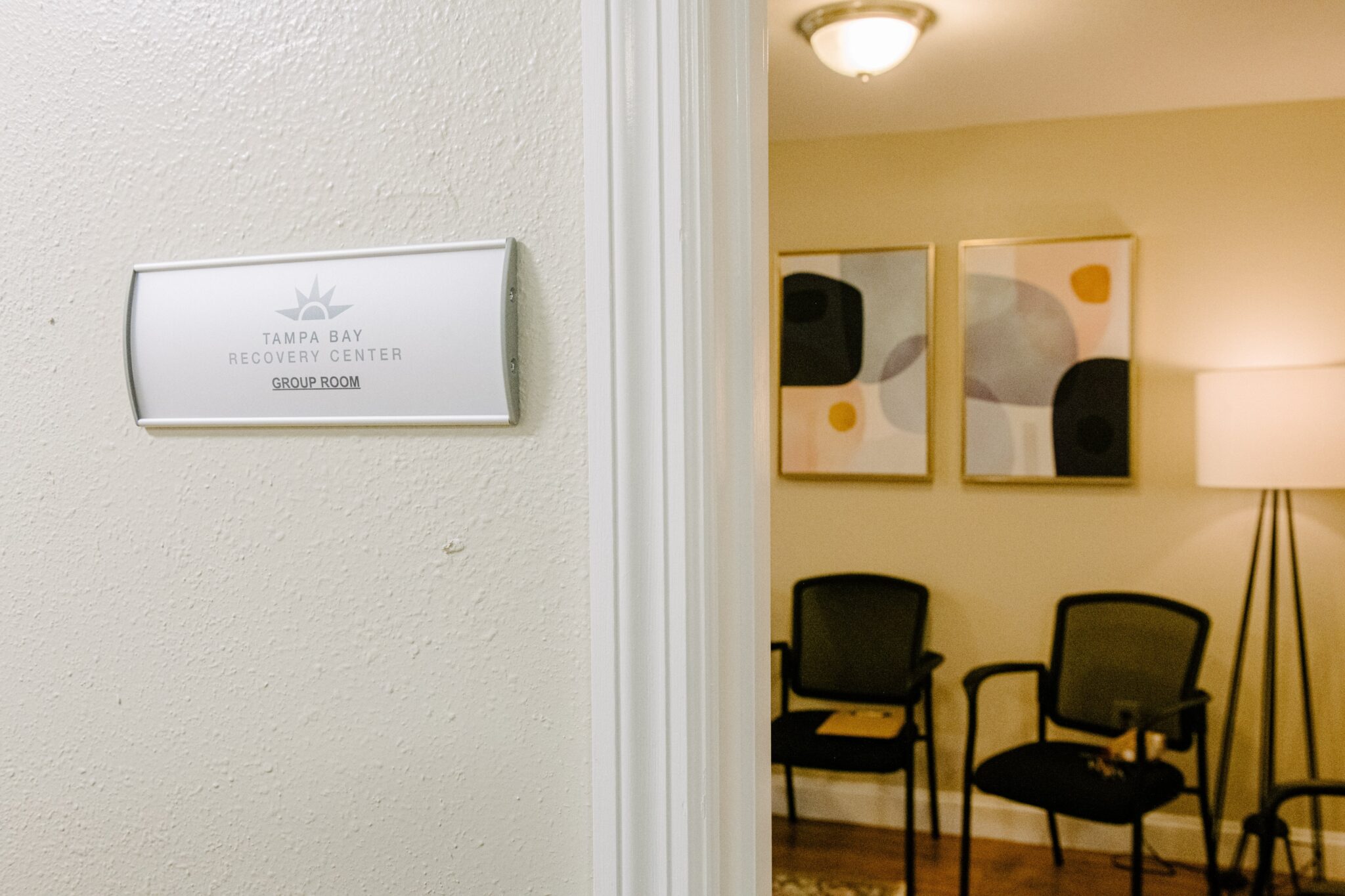
Understanding Alcoholism
Alcohol use disorder is a chronic condition that affects how the brain processes reward, stress, and decision-making. Over time, repeated alcohol use can change brain chemistry, making it more difficult for individuals to control cravings or stop drinking even when they recognize the harm it causes.
Alcoholism does not develop overnight. It often progresses gradually, beginning with increased tolerance, followed by more frequent drinking, and eventually leading to dependence. When dependence occurs, the body begins to rely on alcohol to function normally, which can lead to withdrawal symptoms when drinking stops.
This cycle can make quitting alcohol extremely difficult without professional support. However, alcohol use disorder is treatable, and with the right care, many individuals are able to achieve lasting recovery.
Programs offering Alcohol Rehab in Tampa focus on helping individuals understand these biological, psychological, and behavioral aspects of addiction so they can regain control of their lives.
Signs and Symptoms of Alcoholism
Recognizing the signs of alcohol addiction is an important step toward seeking help. While symptoms can vary from person to person, certain patterns often indicate that alcohol use has become problematic.
Common signs of alcohol use disorder may include:
- Drinking more or longer than intended
- Strong cravings or urges to drink
- Difficulty cutting back or stopping alcohol use
- Spending significant time obtaining, using, or recovering from alcohol
- Continuing to drink despite relationship or work problems
- Increased tolerance, requiring more alcohol to feel the same effects
- Experiencing withdrawal symptoms such as nausea, sweating, anxiety, or tremors
- Losing interest in activities that were once enjoyable
For many individuals, these signs develop gradually and may be easy to dismiss at first. However, when alcohol use begins interfering with daily life, seeking professional care through Alcohol Rehab in Tampa can provide the support needed to begin recovery.
Alcohol Use Disorder and Co-Occurring Mental Health Conditions
For many people struggling with alcohol addiction, there is more to the picture than drinking alone. Research consistently shows that alcohol use disorder frequently co-occurs with mental health conditions such as depression, anxiety, PTSD, and bipolar disorder. In some cases, alcohol use develops as a way of managing untreated psychological symptoms. In others, long-term drinking contributes to or worsens underlying mental health issues.
When both conditions are present, treating only one rarely leads to lasting recovery. This is why Tampa Bay Recovery Center takes a dual diagnosis approach to alcohol rehab — meaning we assess and treat mental health conditions alongside substance use, rather than in isolation.
Our clinical team is trained to identify co-occurring disorders during the intake process and incorporate appropriate mental health treatment into each client’s care plan. This may include individual therapy, psychiatric evaluation, trauma-focused therapies such as EMDR or Brainspotting, and medication management when appropriate.
Addressing both conditions at the same time gives clients the strongest possible foundation for long-term recovery.
Recommended: Lexapro and Alcohol: The Risks
Our Approach to Treating Alcohol Use Disorder
Successful addiction treatment addresses more than just physical dependence. Long-term recovery often requires understanding the emotional and behavioral factors that contribute to alcohol use.
At Tampa Bay Recovery Center, treatment for alcohol use disorder combines evidence-based therapies with individualized care. Each person who enters Alcohol Rehab in Tampa receives a personalized treatment plan designed to address their unique needs, history, and goals.
Therapeutic services may include:
Ready to Find Help For Alcohol Use Disorder? Let’s get Started
Tampa Bay Recovery Center is a premier leader in the provision of addiction treatment services. If you or someone you love is in need of professional care to address a substance use disorder, reach out to us right now at (813) 733-8774 to speak with an admissions specialist who can get you started on the road to recovery.
The Long-Term Effects of Alcohol Use Disorder
Long-term alcohol misuse can have serious consequences for both physical and mental health. Over time, heavy drinking can damage vital organs and increase the risk of chronic medical conditions.
Some of the long-term effects associated with alcohol use disorder include:
- Liver disease, including cirrhosis and hepatitis
- Heart disease and high blood pressure
- Cognitive impairment and memory problems
- Increased risk of depression and anxiety
- Weakened immune system
- Digestive problems and nutritional deficiencies
- Increased risk of certain cancers
Beyond physical health concerns, alcohol addiction can also affect relationships, employment stability, and overall life satisfaction.
Many individuals find that seeking Alcohol Rehab in Tampa not only improves their health but also helps restore important areas of their lives that were impacted by addiction.
Why Tampa Bay Recovery Center
Finding the right alcohol rehab program is one of the most important decisions a person — or their family — can make. At Tampa Bay Recovery Center, we’ve built a program grounded in clinical excellence, genuine compassion, and a commitment to treating the whole person, not just the addiction.
Since opening in 2022, we have helped hundreds of individuals in the Tampa Bay area and beyond take their first steps toward lasting recovery from alcohol use disorder.
Joint Commission Accredited: Tampa Bay Recovery Center holds accreditation from The Joint Commission, one of the most rigorous and respected standards bodies in behavioral healthcare. This accreditation reflects our ongoing commitment to safety, clinical quality, and continuous improvement in everything we do.
A full continuum of care. We offer a complete range of treatment options — from medically coordinated detox through PHP, IOP, outpatient, and sober living — so clients can transition through levels of care without having to start over at a new facility. Continuity of care is one of the strongest predictors of long-term recovery success.
Individualized treatment, not a one-size-fits-all program. Every client who comes to TBRC receives a personalized treatment plan developed with their clinical team. Your history, goals, co-occurring conditions, and life circumstances all shape the care you receive.
Experienced, credentialed clinical team. Our therapists and clinical staff hold active licensure and bring direct experience treating alcohol use disorder and co-occurring mental health conditions. Meet our team.
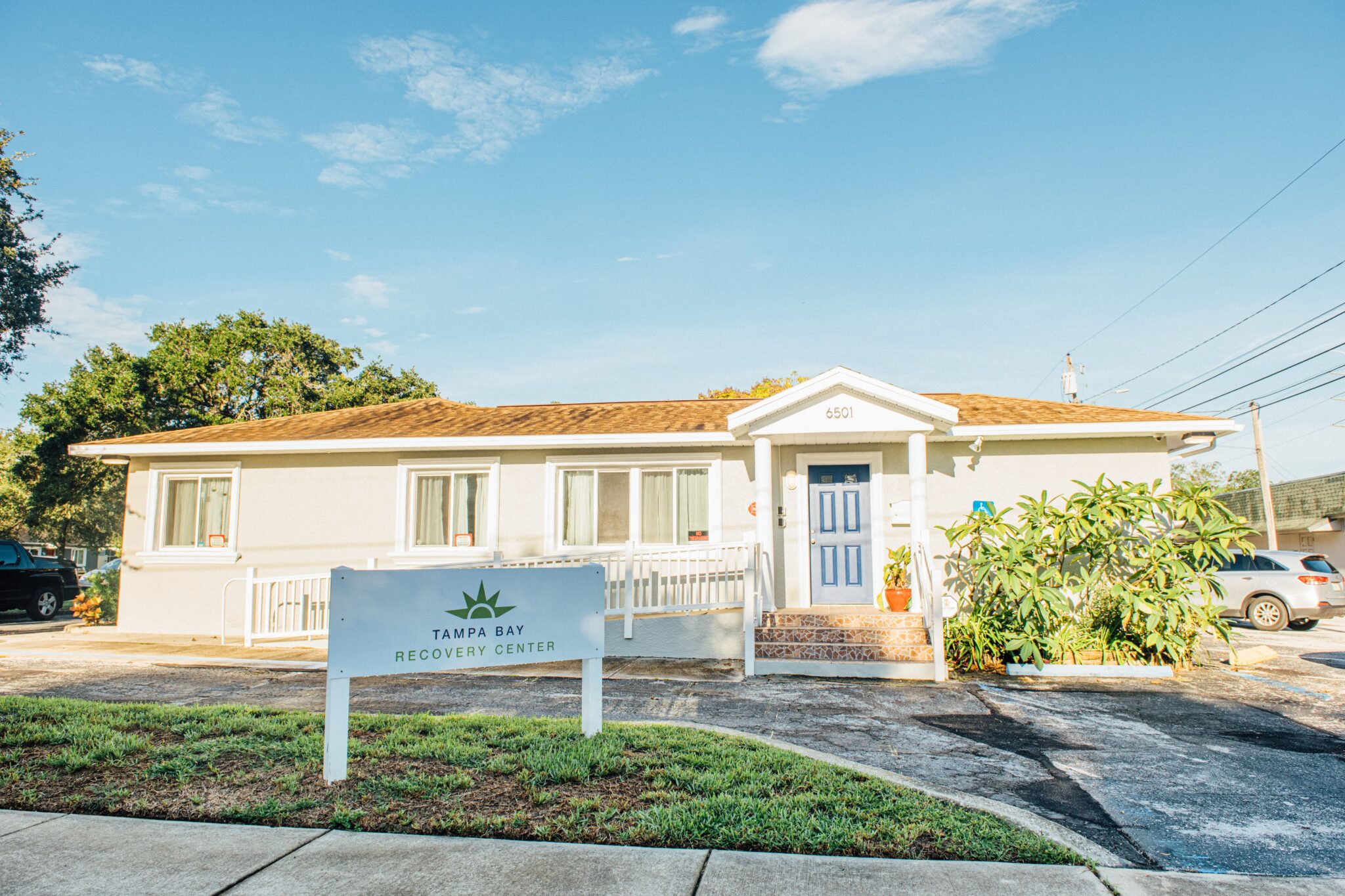
Located in the heart of Tampa Bay. Our facility at 6501 1st Ave S, St. Petersburg is easily accessible to residents throughout Pinellas and Hillsborough counties, and we welcome clients traveling from across Florida and beyond.
Overcome Addiction with evidence-based, expert care.
FAQ for Alcohol Rehab in Tampa
How Long Does Alcohol Rehab Last?
The length of alcohol rehab varies depending on individual needs, treatment goals, and the level of care required. Some individuals may participate in treatment for several weeks, while others benefit from longer programs that provide extended support during recovery.
Does Insurance Cover Alcohol Rehab?
Many health insurance plans provide coverage for substance use treatment, including alcohol rehab services. Coverage can vary depending on the specific policy and provider. Treatment centers often offer insurance verification to help individuals understand their benefits before beginning care.
At Tampa Bay Recovery Center, we’re in-network with a number of major insurance carriers including:
What Should I Bring With Me?
Individuals entering alcohol rehab typically bring comfortable clothing, personal hygiene items, identification, and necessary medications. Treatment centers often provide a list of approved items before admission to help individuals prepare for their stay.
What Happens Once Alcohol Rehab is Over?
Recovery continues long after formal treatment ends. Many individuals transition into outpatient therapy, recovery support groups, alumni programs, or sober living environments to maintain accountability and strengthen their sobriety. Continuing care plays an important role in sustaining long-term recovery.
Is Alcohol Withdrawal Dangerous?
Yes — alcohol withdrawal is one of the few forms of substance withdrawal that can be medically serious. In individuals with significant physical dependence, stopping alcohol abruptly can trigger symptoms including tremors, elevated heart rate, seizures, and in severe cases, a life-threatening condition called delirium tremens (DTs). This is why medically supervised detox is strongly recommended before beginning a rehab program. Our team can help coordinate safe detox as the first step in your treatment.
Do I Need To Detox Before Starting Alcohol rehab?
If you have been drinking heavily or for an extended period, medical detox is typically the recommended first step before transitioning into a structured rehab program like PHP or IOP. Detox stabilizes your body and addresses acute withdrawal so that you can engage fully in the therapeutic work of rehab. Our admissions team will assess your situation during intake and help determine the appropriate starting point for your care.
What Does A Typical Day In Alcohol Rehab Look Like At TBRC?
At our Partial Hospitalization Program (PHP) level, clients typically attend treatment Monday through Friday for six to eight hours per day. Days are structured around individual therapy sessions, group therapy, psychoeducation, and skills-building activities focused on relapse prevention and emotional regulation. Our Intensive Outpatient Program (IOP) follows a similar structure but with a reduced schedule, allowing clients to maintain work or family responsibilities while in treatment.
How Long Does Alcohol Rehab Last?
Treatment length varies depending on the level of care and individual progress. PHP programs typically run approximately 30 days, while IOP programs are generally 60 days. Some clients move through multiple levels of care over a longer period. Our clinical team reviews each client’s progress regularly and adjusts the plan as needed to support the best possible outcome.
What Should I Bring With Me To Alcohol Rehab?
We recommend comfortable, weather-appropriate clothing for at least a week, personal hygiene items, a photo ID, your insurance card, and a list of any current medications with dosages. We’ll provide a full packing checklist when you confirm your admission date. If you have questions about specific items, our admissions team is happy to help.
What Happens After Alcohol Rehab Ends?
Recovery doesn’t stop when formal treatment ends. Most clients leaving PHP step down to IOP, and from IOP to standard outpatient therapy. We also connect clients with local recovery support groups, alumni programming, and sober living options when appropriate. Building a strong aftercare plan is a core part of what we do before a client leaves our program.
More on Alcohol Use Disorder (AUD)
- The Dangers of Mixing Alcohol and Benadryl
- What Does An Alcoholic Face Look Like?
- What is An Alcoholic Nose?
- Can You Drink While Taking Antibiotics?
- How Long Does Alcohol Stay in Urine?
- Gabapentin and Alcohol: Is It Safe?
- Can Alcohol Cause Kidney Stones?
- 10 Signs Your Alcohol Use Might Be Becoming a Problem
- Trazodone and Alcohol
- Can You Drink Alcohol with Amoxicillin?
Call 813-733-8774
Insurance Can Cover Up to 100% of costs
We Accept Most Insurance. Please Note We Are Not Affiliated With Or Endorsed By Insurance Companies.
CONTACT US
We Are Always Here For You
Our compassionate team is ready to assist you—contact us now for confidential support tailored to your needs!