Skip to main content
Home Programs Drug Rehab
Our drug rehab programs in Tampa provide a structured and supportive environment where individuals can step away from the pressures of everyday life and focus fully on healing. Through personalized care, evidence-based therapies, and a compassionate clinical team, Tampa Bay Recovery Center helps individuals begin rebuilding their lives.
Learn more about our Tampa addiction treatment programs or verify your insurance now.
Tampa Drug Rehab Programs
Every person struggling with addiction has different needs and different goals for recovery. For that reason, effective treatment requires a flexible approach that offers multiple levels of care.
At Tampa Bay Recovery Center, our Tampa Drug Rehab programs are designed to provide structured support at every stage of recovery. Individuals can transition through different levels of care depending on their progress and clinical needs.
Programs may include:
- Medical Detox Coordination: Many individuals entering treatment first require medical detox to safely manage withdrawal symptoms. Detox programs provide medical supervision and support while the body adjusts to the absence of drugs.
- Partial Hospitalization Programs (PHP): PHP offers structured treatment during the day while allowing individuals to return home or to supportive housing in the evening. This level of care includes therapy, counseling, and recovery education.
- Intensive Outpatient Programs (IOP): Intensive outpatient treatment allows individuals to participate in therapy while maintaining work, school, or family responsibilities. Clients attend several therapy sessions per week and continue developing recovery skills.
- Outpatient Treatment: Outpatient care provides ongoing therapeutic support as individuals transition toward independent living and long-term recovery.
This continuum of care ensures that individuals in Tampa Drug Rehab receive the right level of support as they move through the recovery process.
Types of Substances We Help Treat
Addiction can involve many different substances, each with unique effects on the brain and body. Tampa Bay Recovery Center provides treatment for a wide range of substance use disorders through our Tampa Drug Rehab programs.
Opioids
Opioids include substances such as heroin, fentanyl, Oxycontin, Hydrocodone, and prescription pain medications. These drugs can quickly lead to physical dependence and severe withdrawal symptoms, making professional treatment essential.
Cocaine
Cocaine is a powerful stimulant that increases energy, alertness, and confidence. Long-term use can lead to heart problems, anxiety, paranoia, and severe psychological dependence.
Methamphetamine
Methamphetamine is a highly addictive stimulant that affects the central nervous system. Chronic use can cause serious health complications including memory loss, dental issues, and emotional instability.
Prescription Medications
Prescription drugs such as benzodiazepines, stimulants, adderall, and certain pain medications are commonly misused. When taken outside of medical supervision, these medications can lead to dependence and addiction.
Marijuana
While often perceived as less harmful, marijuana can still lead to dependence for some individuals, particularly when used heavily over long periods of time.
Our clinical team develops personalized treatment plans based on the specific substances involved and the individual needs of each client.
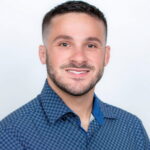
Jeffrey Cohen, M.ED, RMHCI
Clinically Reviewed
Jeff Cohen is a Primary Therapist at Tampa Bay Recovery Center, where he works with individuals experiencing substance use disorders, co-occurring disorders, and primary mental health conditions.
Take Back Control:
Contact Us Now
Addiction and mental health disorder effects the lives of millions of Americans each year. Contact Creekside Recovery Group today to get the help you deserve.

Understanding Drug Addiction
Drug addiction is a complex medical condition that affects both the brain and behavior. Repeated substance use changes how the brain processes reward, motivation, and stress, making it increasingly difficult for individuals to stop using drugs even when they recognize the negative consequences.
Over time, drugs alter the brain’s communication systems and disrupt areas responsible for decision-making, impulse control, and emotional regulation. These changes often lead to compulsive drug use, intense cravings, and withdrawal symptoms when substances are no longer present.
Because addiction affects brain function, recovery often requires professional treatment that addresses both the biological and psychological components of substance use.
Understanding Substance Use Disorder (SUD)
Substance use disorder (SUD) is the clinical diagnosis used to describe problematic patterns of substance use that lead to significant impairment or distress. It exists on a spectrum ranging from mild to severe and can involve a wide range of substances.
Individuals with substance use disorder may find themselves unable to control how much they use, despite wanting to stop. As the disorder progresses, drug use may begin to interfere with relationships, work responsibilities, financial stability, and overall health.
Treatment programs such as Tampa Drug Rehab focus on helping individuals understand how addiction develops, identify the triggers that contribute to substance use, and learn healthier coping strategies that support long-term recovery.
Signs and Symptoms of Drug Addiction
Recognizing the signs of addiction can help individuals seek treatment before the condition worsens. While symptoms vary depending on the substance used, certain patterns commonly indicate the presence of drug addiction.
Common signs may include:
- Strong cravings or urges to use drugs
- Difficulty stopping or controlling substance use
- Increased tolerance requiring larger amounts of drugs
- Withdrawal symptoms when not using
- Neglecting responsibilities at work, school, or home
- Changes in mood, behavior, or sleep patterns
- Financial or legal problems related to substance use
- Continuing to use drugs despite negative consequences
When these patterns begin affecting daily life, seeking support through Tampa Drug Rehab can provide the structure and guidance needed to begin recovery.
What To Expect At Our Drug Rehab in Tampa
Beginning treatment can feel overwhelming, especially for individuals who have never participated in a rehabilitation program before. At Tampa Bay Recovery Center, the goal is to create a supportive environment where clients feel comfortable focusing on their recovery.
The treatment process often begins with a comprehensive assessment. This evaluation helps the clinical team understand each individual’s substance use history, mental health needs, and recovery goals.
From there, a personalized treatment plan is developed that may include individual therapy, group counseling, relapse prevention education, and psychiatric support.
Throughout treatment, individuals participate in structured therapy sessions that help them develop healthier coping strategies, strengthen emotional regulation, and build a foundation for long-term sobriety.
Ready to Escape Addiction? Let’s get Started
Tampa Bay Recovery Center is a premier leader in the provision of addiction treatment services. If you or someone you love is in need of professional care to address a substance use disorder, reach out to us right now at (813) 733-8774 to speak with an admissions specialist who can get you started on the road to recovery.
The Long-Term Effects of Drug Addiction
Chronic drug use can have significant consequences for both physical and mental health. Over time, substance use may damage vital organs, disrupt brain function, and increase the risk of serious medical conditions.
Long-term effects of addiction may include:
- Heart disease and cardiovascular problems
- Liver damage and kidney complications
- Memory impairment and cognitive decline
- Anxiety, depression, and mood disorders
- Increased risk of infectious diseases
- Financial instability and relationship challenges
Seeking professional treatment through Tampa Drug Rehab can help individuals begin reversing some of these effects while preventing further harm.
Overcome Addiction with evidence-based, expert care.
Drug Rehab Therapies
Therapy plays a central role in addiction treatment. Effective rehabilitation programs combine multiple therapeutic approaches to address the emotional, behavioral, and psychological components of addiction.
Common therapies used at Tampa Bay Recovery Center include:
- Individual Therapy
- Family Therapy
- Group Therapy
- Brainspotting Therapy
- EMDR Therapy
- Holistic Therapy
- Psychiatry
- Red Light Therapy
- Trauma Therapy
- Medication-Assisted Treatment (MAT)
These therapies work together to help individuals build resilience and maintain sobriety long after treatment ends.
How Effective Is Treatment?
Addiction treatment can be highly effective when individuals receive the appropriate level of care and ongoing support. Research consistently shows that structured treatment programs improve recovery outcomes and reduce the risk of relapse.
Success in recovery often depends on several factors, including participation in therapy, support from family and peers, and continued engagement in recovery resources after treatment.
Programs like Tampa Drug Rehab are designed to provide not only immediate treatment but also the skills and support systems needed for long-term recovery.
Why Tampa Bay Recovery Center?
Choosing the right treatment center can make a significant difference in the recovery journey. Tampa Bay Recovery Center provides a supportive environment where individuals receive compassionate care from experienced addiction professionals.
Our programs emphasize personalized treatment, evidence-based therapies, and a full continuum of care designed to support lasting recovery.
Clients who choose Tampa Bay Recovery Center benefit from:
- Individualized treatment plans
- Experienced clinical professionals
- Evidence-based therapeutic approaches
- Dual diagnosis treatment for co-occurring mental health conditions
- Ongoing recovery support
For individuals seeking Tampa Drug Rehab, Tampa Bay Recovery Center offers the guidance, structure, and clinical support necessary to begin rebuilding a healthier life.
Find Drug Rehab in Tampa, Florida
Recovery from drug addiction is possible with the right support and treatment. If you or someone you care about is struggling with substance use, Tampa Bay Recovery Center is here to help.
Our Tampa Drug Rehab programs provide compassionate care and evidence-based treatment designed to help individuals regain stability while building the lives they deserve.
Contact Tampa Bay Recovery Center today to learn more about our programs and begin your journey toward lasting recovery.
Call 813-733-8774
Insurance Can Cover Up to 100% of costs
We Accept Most Insurance. Please Note We Are Not Affiliated With Or Endorsed By Insurance Companies.
CONTACT US
We Are Always Here For You
Our compassionate team is ready to assist you—contact us now for confidential support tailored to your needs!