
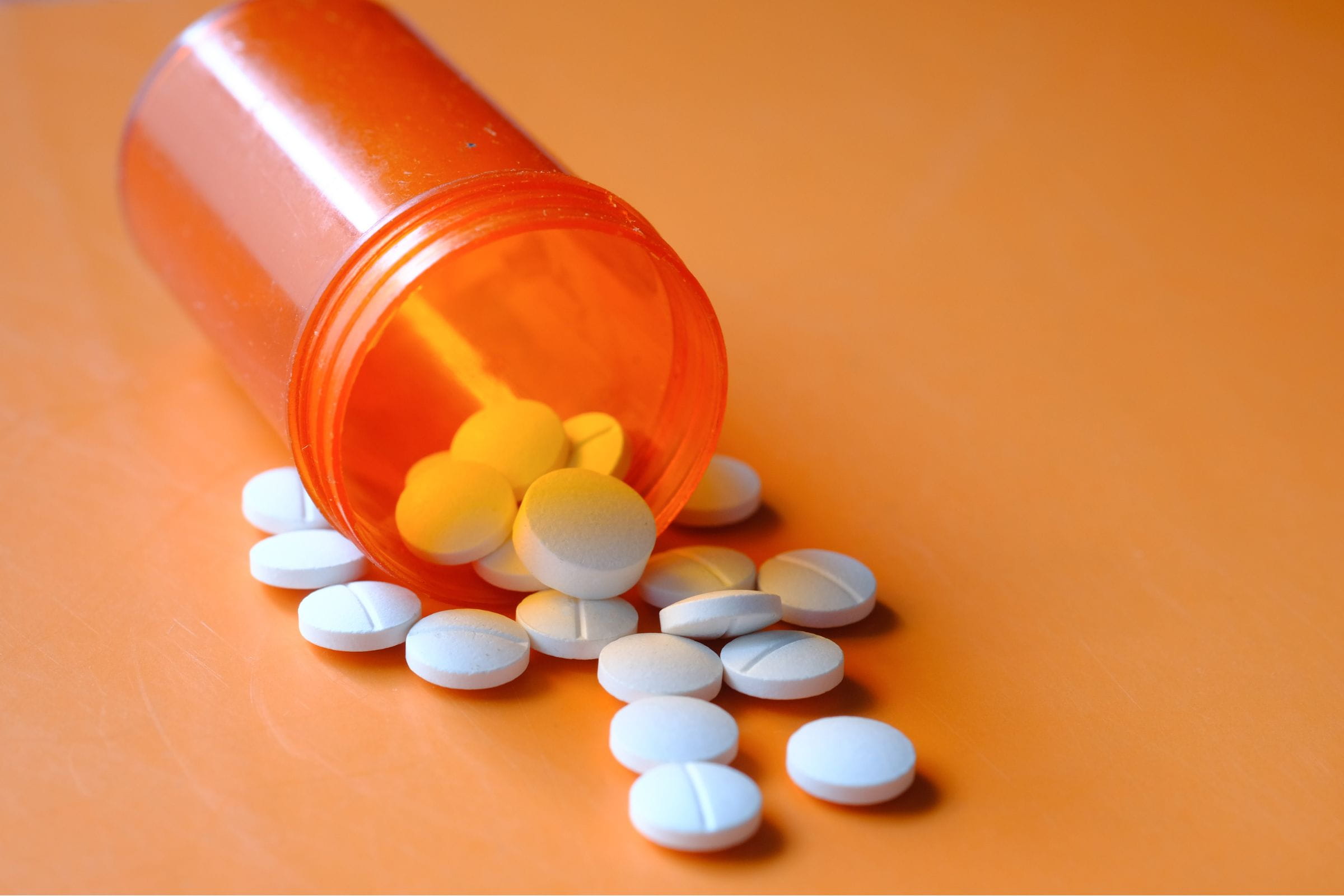
Doctors often advise patients to avoid alcohol when taking certain prescription medications. Does this apply to one of the most frequently prescribed antibiotics? Is it safe to have amoxicillin and alcohol in your body at the same time?
Contact Tampa Bay Recovery Center today to learn more about addiction treatment in Tampa, FL.
How Does Amoxicillin Affect the Body?
Amoxicillin is a semisynthetic antibiotic that belongs to the penicillin family. It earned approval from the U.S. Food and Drug Administration (FDA) in 1974 and has been part of the World Health Organization’s (WHO) Model List of Essential Medicine since 1989.
Uses
As a broad spectrum antibiotic, amoxicillin is frequently prescribed to treat a variety of bacterial infections, including:
- Otitis media (middle ear infection)
- Strep throat
- Pneumonia
- Bronchitis
- Sinusitis
- Urinary tract infections (UTIs)
- Dental abscesses
- Cellulitis
Mechanism of Action
Antibiotics are sometimes organized into two general categories based on how they work:
- Bacteriostatic antibiotics protect the body by isolating bacteria and preventing it from reproducing and spreading.
- Bactericidal antibiotics actively kill bacteria.
Amoxicillin is an example of a bactericidal antibiotic. It works by binding to proteins on bacterial cell walls, which prevents the bacteria from repairing the walls or building them further. This causes the cell walls to weaken, which leads to the death of the bacteria itself.
Prevalence
Amoxicillin’s effectiveness has made it an extremely popular medication.
According to the U.S. Centers for Disease Control and Prevention (CDC), pharmacies in the United States filled 55.2 million amoxicillin prescriptions in 2023. This works out to a rate of 162 prescriptions for every 1,000 people in the U.S., making amoxicillin the most frequently prescribed oral antibiotic.
To underscore the popularity of amoxicillin, the third most frequently prescribed oral antibiotic in 2023 was a combination of amoxicillin and clavulanic acid, a substance that is often paired with drugs from the penicillin family to attack antibiotic-resistant bacteria.
U.S. pharmacies filled 34.5 million prescriptions for the amoxicillin-clavulanic acid combo, or 101 prescriptions for every 1,000 people.
Can You Use Amoxicillin and Alcohol at the Same Time?
A Gallup poll conducted in July 2025 found that 54% of adults in the United States consume alcohol, averaging about 2.8 drinks per week. The U.S. Census Bureau reports that there were 269.8 million adults ages 18 and above in the nation in July 2025, which means that about 145.7 million had at least one drink that year.
With so many people drinking, and so many people using amoxicillin to treat bacterial infections, it stands to reason that questions about combining the two would be common. So, is it dangerous to have amoxicillin and alcohol in your system at the same time?
Amoxicillin and alcohol don’t interact with each other, so if you drink while taking the antibiotic you won’t degrade its effectiveness. And the amoxicillin shouldn’t exacerbate the effects of alcohol, so you shouldn’t experience any significant problems from that angle, either.
In other words:
- Can you drink alcohol with amoxicillin? In most cases, you can, provided that you drink in moderation.
- Should you drink alcohol with amoxicillin? Most healthcare providers would probably advise you not to.
Advice to avoid alcohol while taking amoxicillin isn’t due to risk of serious problematic interactions between the two substances. Instead, the main concern is that alcohol’s natural effects can undermine your body’s ability to fight off bacterial infections.
What Does Alcohol Do to Your Body?
Even if you start out completely healthy, drinking can still have a negative impact on your body and mind.
As noted by the National Institute on Alcohol Abuse and Alcoholism (NIAAA), alcohol use can contribute to a range of health problems, including:
- Cognitive deficiencies
- Ischemic heart disease
- Irregular heartbeat
- Myocardial infarction (heart attack)
- Postural hypotension
- Peripheral neuropathy
- Thyroid diseases
- Gastroesophageal reflux disease (GERD)
- Erectile dysfunction
- Liver disease
- Respiratory infections
- Pancreatitis
- Several types of cancer
When you’re already in a weakened state due to a bacterial infection, drinking can make it harder for your body to heal itself.
Alcohol-related factors that can have a negative effect in this manner include:
- Poor sleep
- Fatigue
- Dehydration
- Nausea and vomiting
- Diminished immune system functioning
In other words, the best way to maximize the benefits of amoxicillin and give your body the best chance to make a full recovery is not to drink until your bacterial infection is gone.
Warning Signs of Alcohol Addiction
Taking a brief hiatus from drinking while you’re dealing with a bacterial infection or another health concern shouldn’t be much of a problem. If you are unwilling or unable to take even a temporary break from alcohol while you’re healing, that could be a sign that you’ve developed an addiction.
Other warning signs of alcohol use disorder (which is the clinical term for alcoholism) include:
- Often drinking more, or for a longer period of time, than you intended to
- Having powerful cravings for alcohol
- Finding it difficult to get through the day without having a drink
- Lying to or otherwise deceiving loved ones about how much or how often you drink
- Needing alcohol to wake up and get going in the morning or to unwind at night
- Neglecting your responsibilities at home, in school, or at work because of your drinking
- Continuing to drink after having health problems that were either caused or worsened by your prior use of alcohol
- Continuing to drink after going through some type of alcohol-related social or personal problems, such as being arrested for DUI or losing a relationship
- Using alcohol in ways that present a clear physical hazard, such as by combining it with opioids, or drinking and driving
- Developing tolerance, which means you need to drink more than you used to in order to feel the effects of the alcohol
- Developing withdrawal symptoms when you try to stop drinking or when you’re prevented from using alcohol for a certain period of time
If any of these signs sound familiar, it may be time to consult with your doctor or schedule an assessment at a reputable addiction treatment center in your area. As assessment can help you understand the scope of the challenge you’re dealing with, so that you can make the most informed decision about what type of help you need.
Find Help for Alcohol Addiction in Tampa Bay
Tampa Bay Recovery Center is a premier provider of customized outpatient care for adults who have become addicted to alcohol and other drugs. We also offer dual diagnosis programming for clients with anxiety, depression, and other co-occurring mental health concerns.
Treatment options at our rehab in St. Petersburg, FL, include a partial hospitalization program (PHP), an intensive outpatient program (IOP), and virtual (online) services. We’ll be happy to discuss the features and benefits of each of these options with you and help you select the one that’s best for you.
To learn more about how we can help you or a loved one, or to schedule a free assessment, please visit our Contact page or call us today.