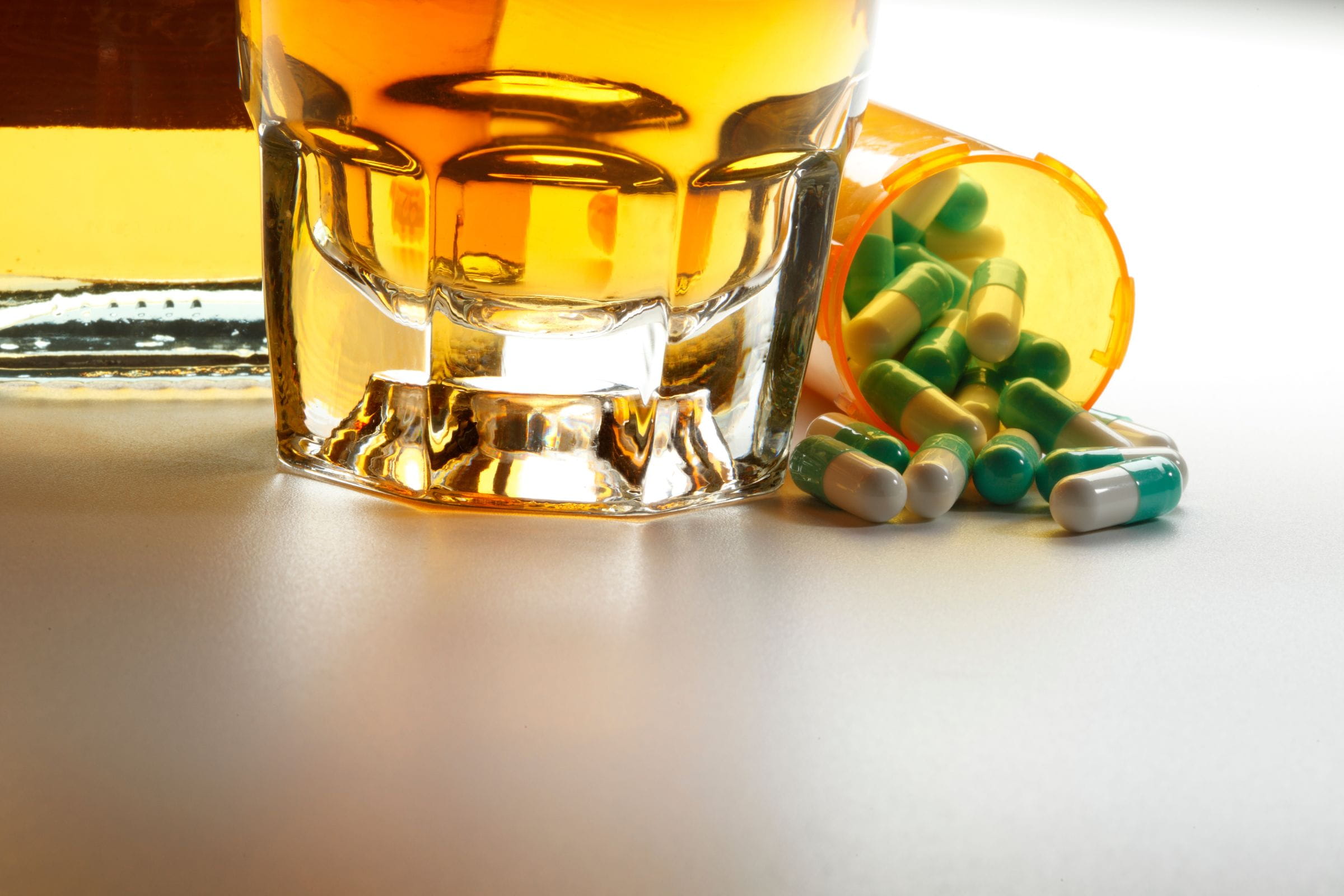
Lexapro is one of the most frequently prescribed antidepressants in the U.S., and alcohol is one of the most commonly used recreational substances. What happens if you have both substances in your system at the same time? Is it dangerous to combine Lexapro and alcohol?
If you’ve been struggling with depression, alcoholism, or another mental or behavioral health concern, the Tampa Bay Recovery Center team is here to help. Working together, we can help you find your path to improved health and a more hopeful future.
Learn more about alcohol rehab and mental health treatment in Tampa Bay, FL, or verify your insurance today.
What Is Lexapro?
Lexapro is the brand name of a prescription medication that is commonly used to treat depression. Its primary active ingredient is escitalopram, which is a selective serotonin reuptake inhibitor (SSRI).
Patients typically take Lexapro once per day in either tablet or liquid form.
What Is Lexapro Used For?
The U.S. Food and Drug Administration (FDA) initially approved Lexapro in 2002. The first generic version of the drug earned FDA approval in 2006.
Approved uses of Lexapro include:
Common off-label uses of Lexapro include:
- Panic disorder
- Social anxiety disorder (social phobia)
- Obsessive-compulsive disorder (OCD)
- Posttraumatic stress disorder (PTSD)
- Premenstrual dysphoric disorder (PDD)
Side Effects
Patients who take Lexapro may experience a range of side effect. Many of the more common adverse effects usually dissipate within a few weeks as a person’s body adjusts to the medication, but some can persist.
Lexapro’s most common side effects include:
- Headache
- Dizziness
- Nausea
- Increased perspiration
- Insomnia
- Drowsiness
- Fatigue
- Restlessness
- Sexual dysfunction
Rare but serious side effects of Lexapro include:
- Abnormal heart rate
- Serotonin syndrome
- Anaphylaxis
- Suicidal ideation among adolescent patients
4 Common Questions About Lexapro and Alcohol
In 2023, U.S. pharmacies filled more than 37 million prescriptions for Lexapro or generic escitalopram. In August 2025, a Gallup poll found that 54% of adults in the U.S. drink alcohol on a regular or occasional basis.
With so many people using Lexapro and alcohol, it is not surprising that many questions have arisen about potential interactions between the two substances. Here are answers to four of them.
1. Can I drink alcohol while I’m taking Lexapro?
This is perhaps the most common question about Lexapro and alcohol. Is it safe to have both substances in your system at the same time?
No, it’s not. The FDA’s prescribing information sheet for Lexapro states that using alcohol while taking the medication is not recommended.
Drinking while taking Lexapro could intensify some of the side effects that both substances cause, which can be physically dangerous. Also, alcohol may offset the benefits that you’re getting from Lexapro, which can undermine your mental health.
2. What are the physical risks of combining alcohol and Lexapro?
Alcohol is a depressant. This means that it slows functioning throughout the central nervous system (CNS). This can lead to effects such as drowsiness and dizziness, along with impaired coordination, and poor judgment.
Drowsiness and dizziness are also among the more frequently cited side effects of Lexapro. If you use both substances at the same time, these effects may be much stronger than if you used either drug on its own. Combined with alcohol-fueled problems with coordination and judgment, this can lead to physical harm via accidents such as slips, falls, and car crashes.
3. Will mixing Lexapro and alcohol cause mental health problems?
The primary psychological risk posed by mixing alcohol and Lexapro is that alcohol’s negative impact on your emotions can counteract the benefits you have been receiving from Lexapro.
Alcohol initially acts in a stimulant-like fashion, improving your mood and making you more talkative. As you continue to drink, though, it can start to have the opposite effect, triggering sadness, regret, and remorse. Whether you’ve been taking Lexapro for anxiety or depression, these are most likely some of the feelings you’ve been trying to overcome.
Also, Lexapro has been linked with an increase in suicidal thoughts, which can be worsened by alcohol use.
4. Can I die if I have Lexapro and alcohol in my system at the same time?
If you’re taking one Lexapro tablet per day as directed by your doctor, and you drink moderately, overdose death is highly unlikely. But both drugs can be deadly, either on their own or in combination.
Taking an excessive amount of Lexapro can cause serotonin syndrome, which is a potentially fatal condition. Symptoms can include elevated heart rate and blood pressure, confusion, loss of muscle control, fever, and seizure.
According to the U.S. Centers for Disease Control and Prevention (CDC), an average of six people die every day due to alcohol poisoning.
Also, the impaired coordination, poor judgement, and suicidal thoughts that can result from Lexapro and alcohol use can increase your risk of both accidental and intentional death.
Alternatives to Lexapro
If you’ve been taking Lexapro but you’re not satisfied with its effects, please know that you have a range of other options, including switching to a different medication and/or participating in therapy.
Medication
In addition to Lexapro, other meds that have proved to be effective at easing anxiety and depression symptoms include other SSRIs, serotonin-norepinephrine reuptake inhibitors (SNRIs), and atypical antidepressants.
Other SSRIs:
- Citalopram (Celexa)
- Fluoxetine (Prozac)
- Paroxetine (Paxil)
- Sertraline (Zoloft)
- Fluvoxamine (Luvox)
Frequently prescribed SNRIs:
- Duloxetine (Cymbalta)
- Venlafaxine (Effexor)
- Desvenlafaxine (Pristiq)
- Levomilnacipran (Fetzima)
- Milnacipran (Savella)
Atypical antidepressants:
- Bupropion (Wellbutrin)
- Mirtazapine (Remeron)
- Vortioxetine (Trintellix)
Therapy
Therapy can help you identify the underlying causes that may have contributed to your anxiety or depression, then develop strategies for managing your symptoms more effectively.
Therapies that can be beneficial for people with depression include:
- Individual therapy
- Group therapy
- Family therapy
- Cognitive behavioral therapy (CBT)
- Dialectical behavior therapy (DBT)
- Trauma therapy
- Red light therapy
Find Mental Health and Addiction Treatment in Tampa Bay
Tampa Bay Recovery Center offers personalized outpatient care for adults who have been struggling with anxiety, depression, and other mental health concerns. We also serve clients who have become addicted to alcohol and other drugs.
Treatment options at our rehab in St. Petersburg, FL, include a partial hospitalization program (PHP), an intensive outpatient program (IOP), and virtual (online) services.
Untreated addictions and mental illnesses can be devastating. But with our help and a concerted effort on your part, you can make sustained progress toward the healthier life you deserve.
To learn more call 813-733-8774 or verify your insurance now.