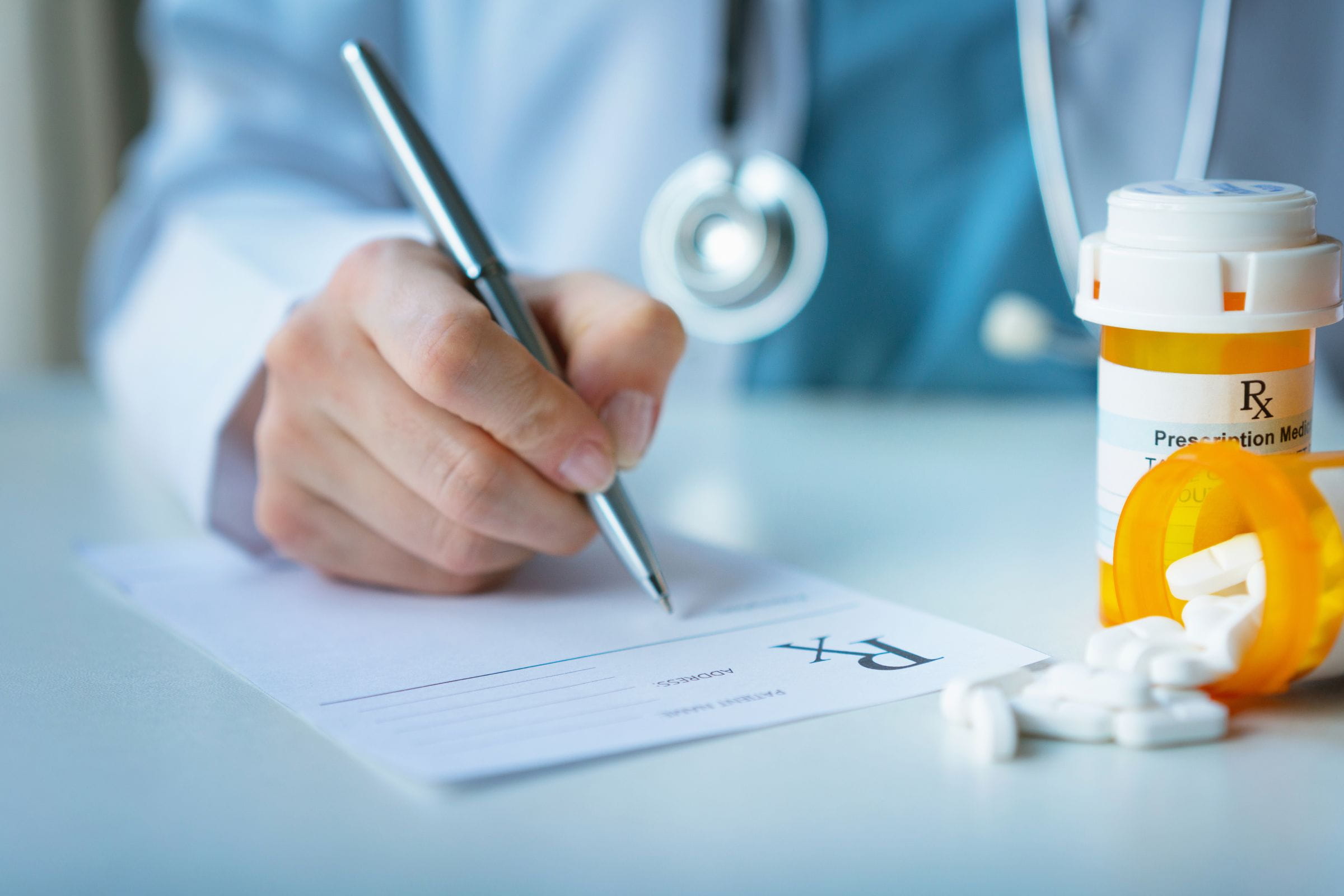
Vivitrol, Sublocade, and Suboxone are prescription medications that are used in some addiction treatment programs. Vivitrol and Sublocade are both administered via monthly injections, while Suboxone requires daily doses. But while they share certain characteristics, there are significant differences between Vivitrol vs. Sublocade.
At Tampa Bay Recovery Center, medication-assisted treatment (MAT) is one of several evidence-based options for adults who have become addicted to alcohol or opioids.
Learn more about medication-assisted treatment in Tampa Bay, FL or verify your insurance today.
What Are Vivitrol, Suboxone, & Sublocade?
Vivitrol, Sublocade, and Suboxone are brand-name prescription medications. They are frequently used in medication-assisted treatment (MAT) programs, which combine meds with therapy to help people end their use of certain addictive substances.
Vivitrol
Vivitrol is an extended-release medication that is administered once a month via intramuscular (IM) injection.
The primary active ingredient in Vivitrol is naltrexone, which is classified as a mu opioid receptor antagonist. This means that it binds to the same receptors in the central nervous system (CNS) that are affected by fentanyl, heroin, prescription painkillers, and other opioids. But it does not activate these receptors like opioids do.
A September 2018 article in Cerebrum magazine highlighted a few key moments in the development of Vivitrol:
- 1963: Naltrexone is first synthesized by scientists at Endo Laboratories in 1963.
- 1974: The National Institute on Drug Abuse (NIDA) begins to promote thorough research into naltrexone’s ability to help people who have become addicted to opioids.
- 1984: The U.S. Food and Drug Administration (FDA) approves naltrexone to treat heroin addiction.
- 2006: Vivitrol earns FDA approval to treat alcohol use disorder
- 2010: The FDA approves Vivitrol to treat opioid use disorder
Vivitrol minimizes cravings for opioids and alcohol. It also prevents people from experiencing an intoxicating high or other pleasurable effects if they use either of these substances.
Suboxone
Suboxone is an oral medication that must be taken on a daily basis, usually as a tablet or dissolvable film that is placed under the tongue. It first earned FDA approval for use in MAT programs in 2002.
Suboxone contains two active ingredients, buprenorphine and naloxone:
- Buprenorphine is a partial opioid agonist. It interacts with the same opioid receptors that Vivitrol does, but it affects them in a different way. Unlike Vivitrol, which does not activate the receptors it binds to, Suboxone triggers a mild response. However, the drug has what some clinicians call a “ceiling effect,” meaning that it will not cause the intense disorientation and depressed breathing that opioids do.
- Naloxone is a full opioid antagonist like naltrexone, which is the primary active ingredient in Vivitrol. Thought their names are similar, there are a several key differences between these two medications. Naloxone has a more immediate and powerful impact than naltrexone does, but its effects wear off sooner. In addition to being one of the two main ingredients in Suboxone, naloxone is also sold on its own as a generic or under the Narcan brand name as a nasal spray that can reverse the effects of an opioid overdose.
When a person uses Suboxone, the buprenorphine reduces their cravings for opioids. If they use opioids anyway, naloxone immediately triggers the onset of painful withdrawal symptoms.
Sublocade
Sublocade is an extended-release form of buprenorphine. It is administered by subcutaneous injection and lasts for about 30 days.
A January 2018 update in the journal Pharmacy and Therapeutics reported that the FDA had approved Sublocade in November 2017. It is authorized to be used as a treatment for opioid use disorder.
Before they can receive their first monthly injection of Sublocade, patients must take daily oral doses of Suboxone or another med that contains buprenorphine for at least seven days.
What’s the Difference Between Vivitrol vs. Sublocade?
Of the three medications described above, Vivitrol and Sublocade seem to be most similar. For example, they both:
- Are administered via injection
- Have one active ingredient
- Only require monthly doses
- Are used to treat opioid use disorder
But there are several key differences between Vivitrol vs. Sublocade, such as:
- Administration: Though both meds are administered via injection, each one requires a specific type. Vivitrol is given through a deep gluteal intramuscular injection. Patients who use Sublocade get the drug through an injection just below the skin. If either med is administered with an improper type of injection the patient may have a severe, potentially life-threatening reaction.
- Dosage: Vivitrol patients receive 380mg doses on a monthly basis. Sublocade patients start with a 300mg dose after taking daily 8mg-24mg doses of buprenorphine for a week. After their second 300mg dose, they may switch to 100mg monthly doses.
- Withdrawal: Vivitrol patients must have completed withdrawal, which means there are no opioids remaining in their system, before receiving their first shot. Sublocade patients do not need to be completely opioid-free before starting on the medication.
- Active ingredient: Vivitrol contains naltrexone, which is a full opioid antagonist. Sublocade contains buprenorphine, which is a partial opioid agonist.
- Approved uses: The FDA has authorized Vivitrol to treat both opioid use disorder and alcohol use disorder (alcoholism). Sublocade is only approved for opioid use disorder.
Will Medication Cure My Addiction?
Substance use disorders (addictions) are chronic diseases. As with chronic medical conditions such as diabetes or arthritis, they cannot be cured. Instead, the focus of treatment is to reduce symptoms and improve a person’s overall quality of life.
Medications can ease some biological symptoms of addiction, such as:
- Easing drug cravings
- Blocking the pleasurable effects of taking the drug you’d become dependent
- Causing you to have a painful reaction if you use the drug
These effects can be quite beneficial, but they don’t address the psychological and social aspects of addiction and recovery. For example, medication alone can’t help you to process traumatic experiences or other concerns that may have contributed to your substance abuse struggles. Also, medication can’t help you to develop better anger management or stress response skills, or make vital lifestyle changes.
This is why MAT programs include both medication and therapy. While medications suppress physical distress, the therapeutic component of your treatment can help you address these and other relevant concerns. The combined impact of meds and therapy allows you to begin building a foundation for a healthier and more satisfying life in recovery.
Find Medication-Assisted Treatment in Tampa Bay
Tampa Bay Recovery Center is a trusted source of personalized medication-assisted treatment and other types of outpatient care for addiction.
To best prepare our clients for successful recovery, we also offer dual diagnosis programming for those who have also been struggling with anxiety, depression, and other co-occurring mental health concerns.
Treatment options at our rehab in St. Petersburg, FL, include a partial hospitalization program (PHP), an intensive outpatient program (IOP), and virtual treatment.
To learn more call 813-733-5686 or verify your insurance now.