Home Drug Rehab in Tampa Cocaine Addiction Treatment
“You can’t get addicted to weed.”
It’s the first thing people tend to say, and it’s wrong. Cannabis use disorder is a recognized diagnosis in the DSM-5, and NIDA estimates that between 22% and 30% of people who use marijuana develop the disorder, roughly 3 in 10 users.
If quitting has proven harder than it was supposed to be, marijuana rehab in Tampa can help you do what willpower alone hasn’t. Tampa Bay Recovery Center treats cannabis use disorder with the same clinical seriousness we bring to any addiction.
Call us at 813-733-8774 or verify your insurance to get started.
Is Marijuana Addictive?
Marijuana’s reputation as harmless comes from an era when THC content was a fraction of what it is now. Today’s high-potency flower, concentrates, and vapes deliver far more THC to the brain, and with regular use, the brain adapts by downregulating its own cannabinoid system.
That adaptation is dependence, and it’s why stopping feels so much harder than expected.
Addiction shows itself in the pattern: needing more to get the same effect, using despite consequences at work or in relationships, and repeated failed attempts to cut back. Frequency is the strongest predictor, and daily or near-daily users face the highest risk of developing cannabis use disorder.
Signs of Cannabis Use Disorder
Cannabis use disorder tends to creep rather than crash, which makes it easy to rationalize for years.
Signs of cannabis use disorder include:
- Using More Than Intended: Sessions that regularly stretch longer or heavier than planned.
- Failed Attempts To Quit: Tolerance breaks and quit attempts that keep collapsing.
- Rising Tolerance: Needing higher potency or more frequent use to feel the same effect.
- Cravings: A persistent pull to use, especially in response to stress or boredom.
- Life Shrinking Around Use: Hobbies, friendships, and ambitions fading while marijuana stays constant.
- Using To Cope: Reaching for cannabis to manage anxiety, sleep, or difficult emotions.
- Continued Use Despite Consequences: Problems with memory, motivation, money, work, or relationships that haven’t changed the habit.
- Withdrawal Symptoms: Irritability, insomnia, and restlessness when trying to stop.
Recommended: Is CDB Addictive?
TOUR
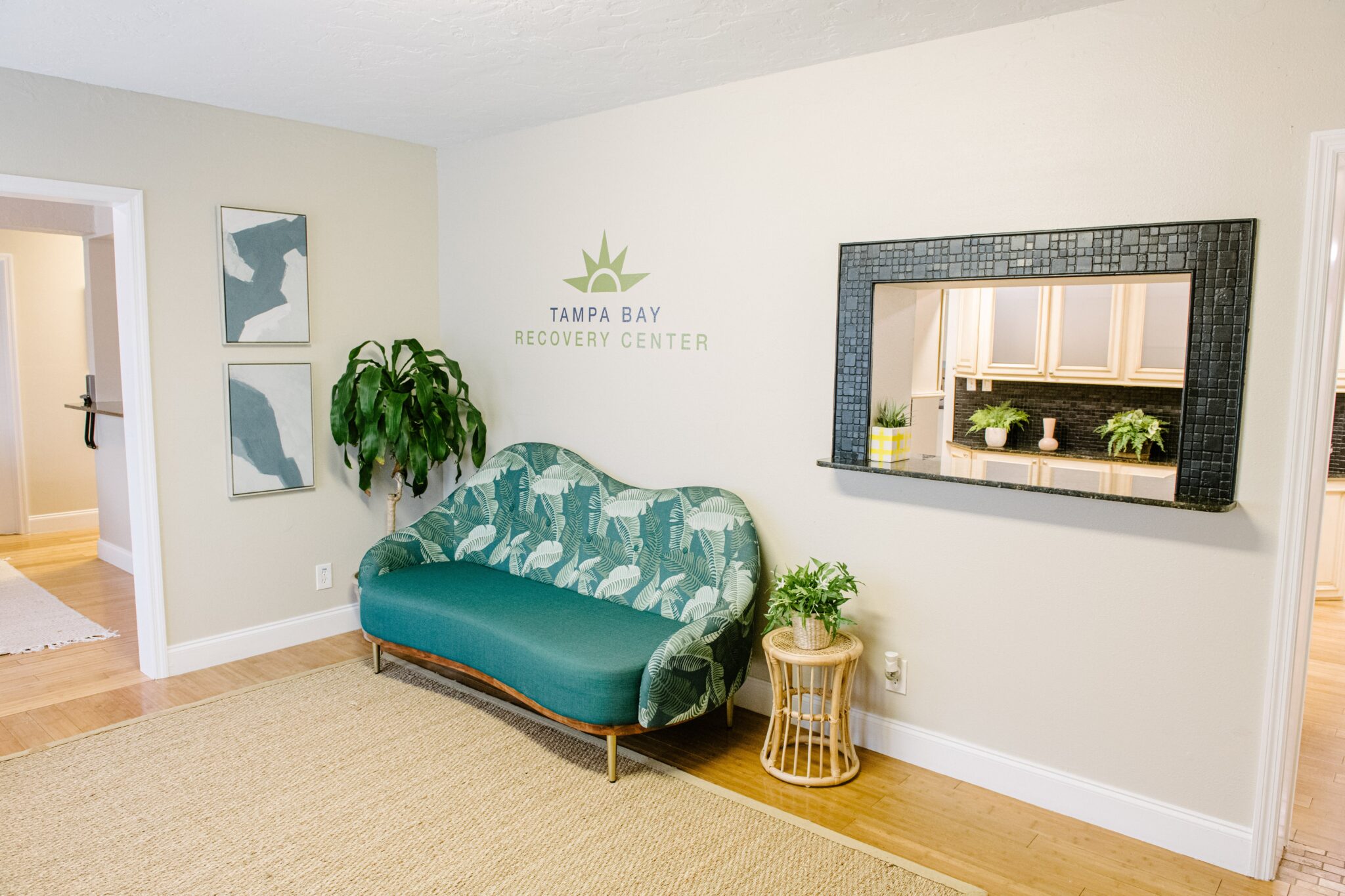
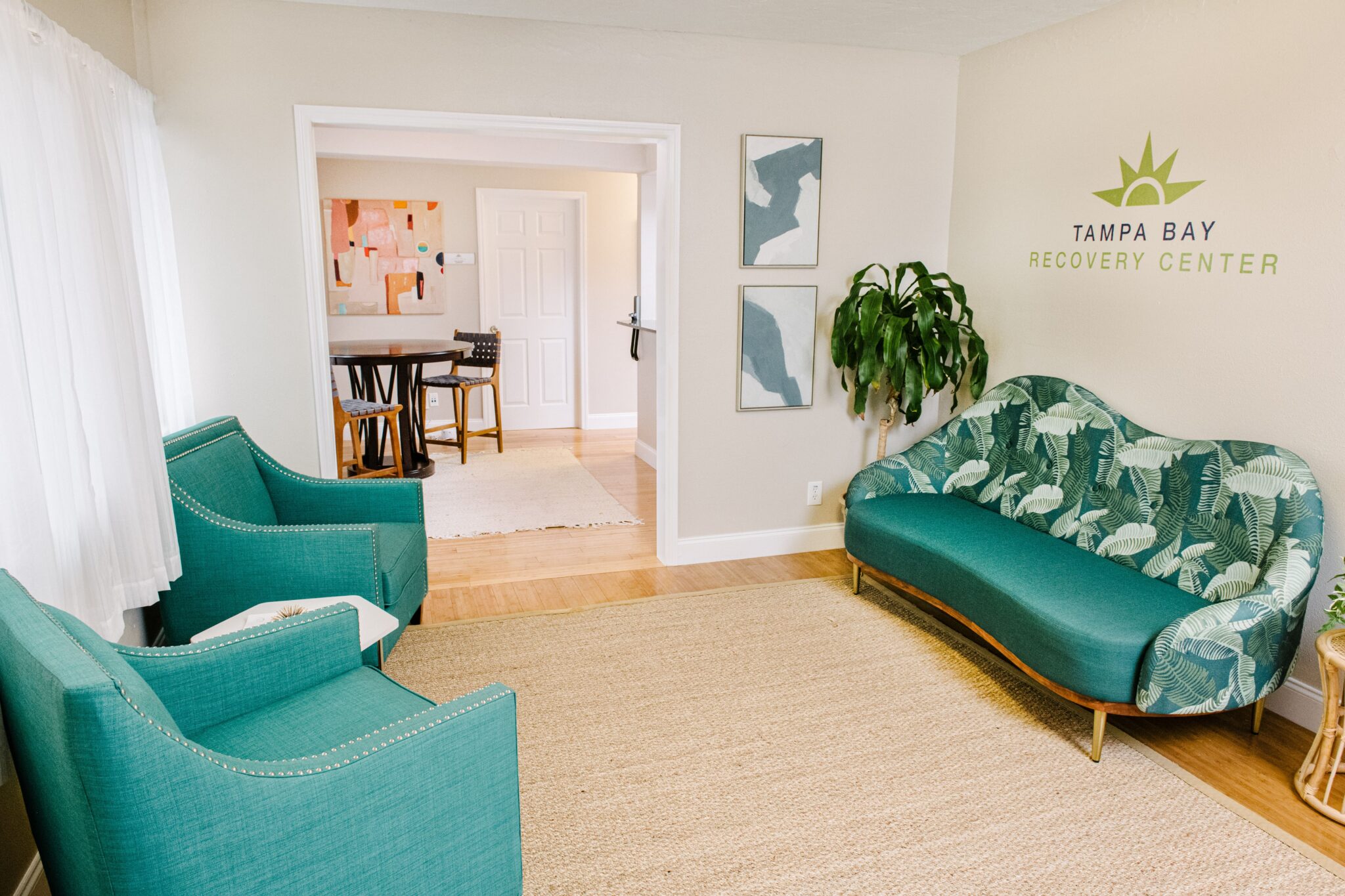
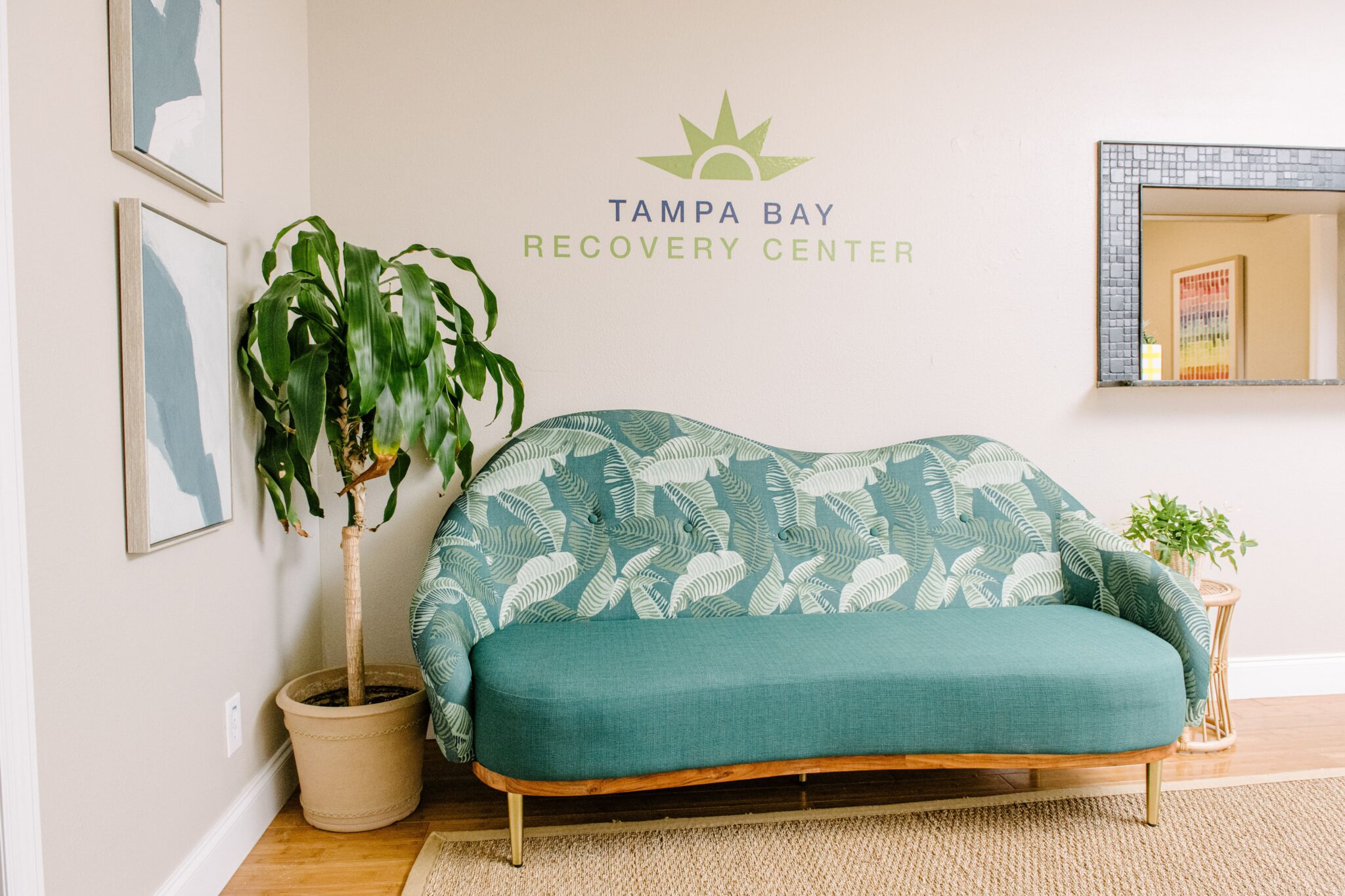
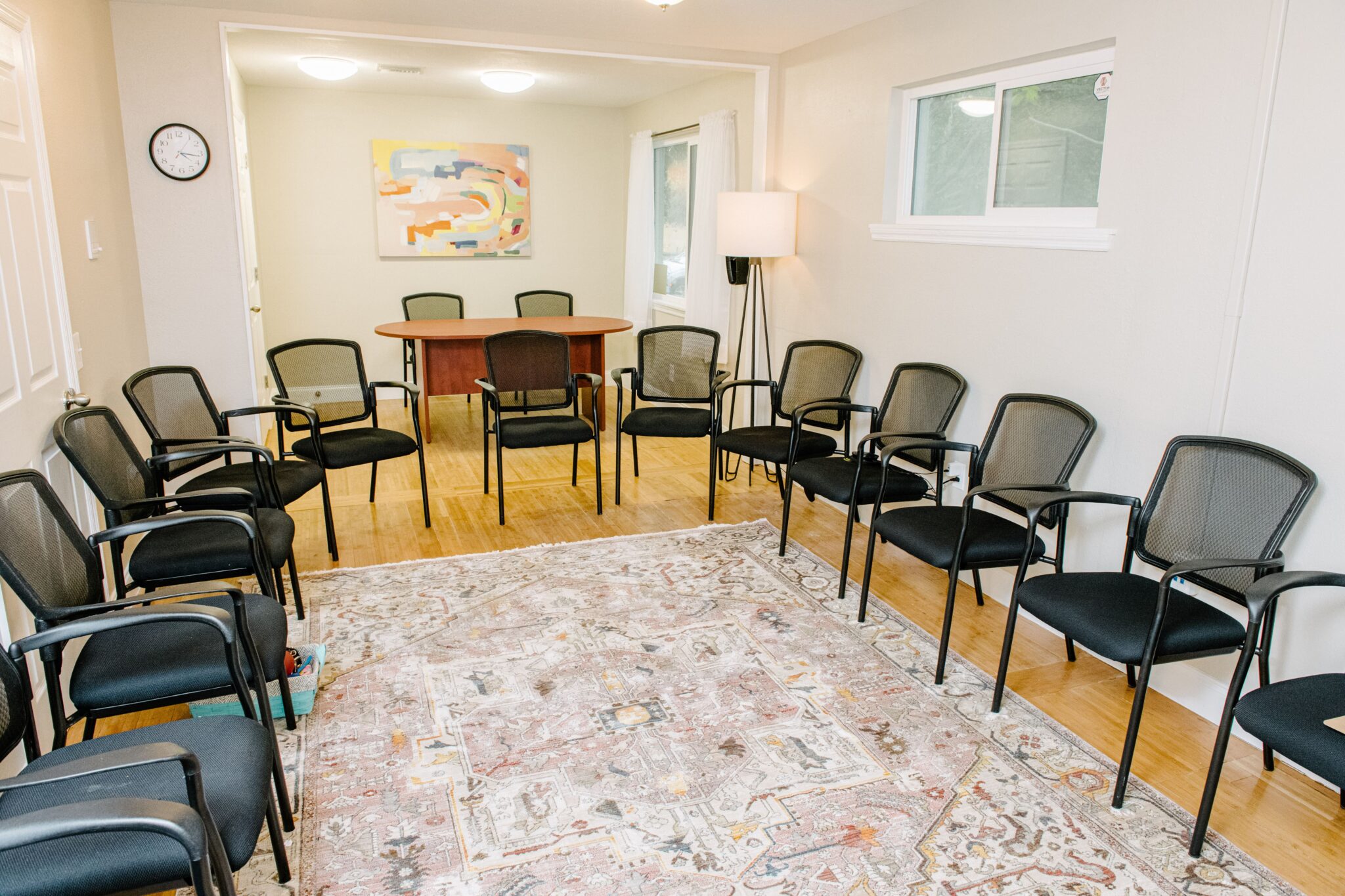
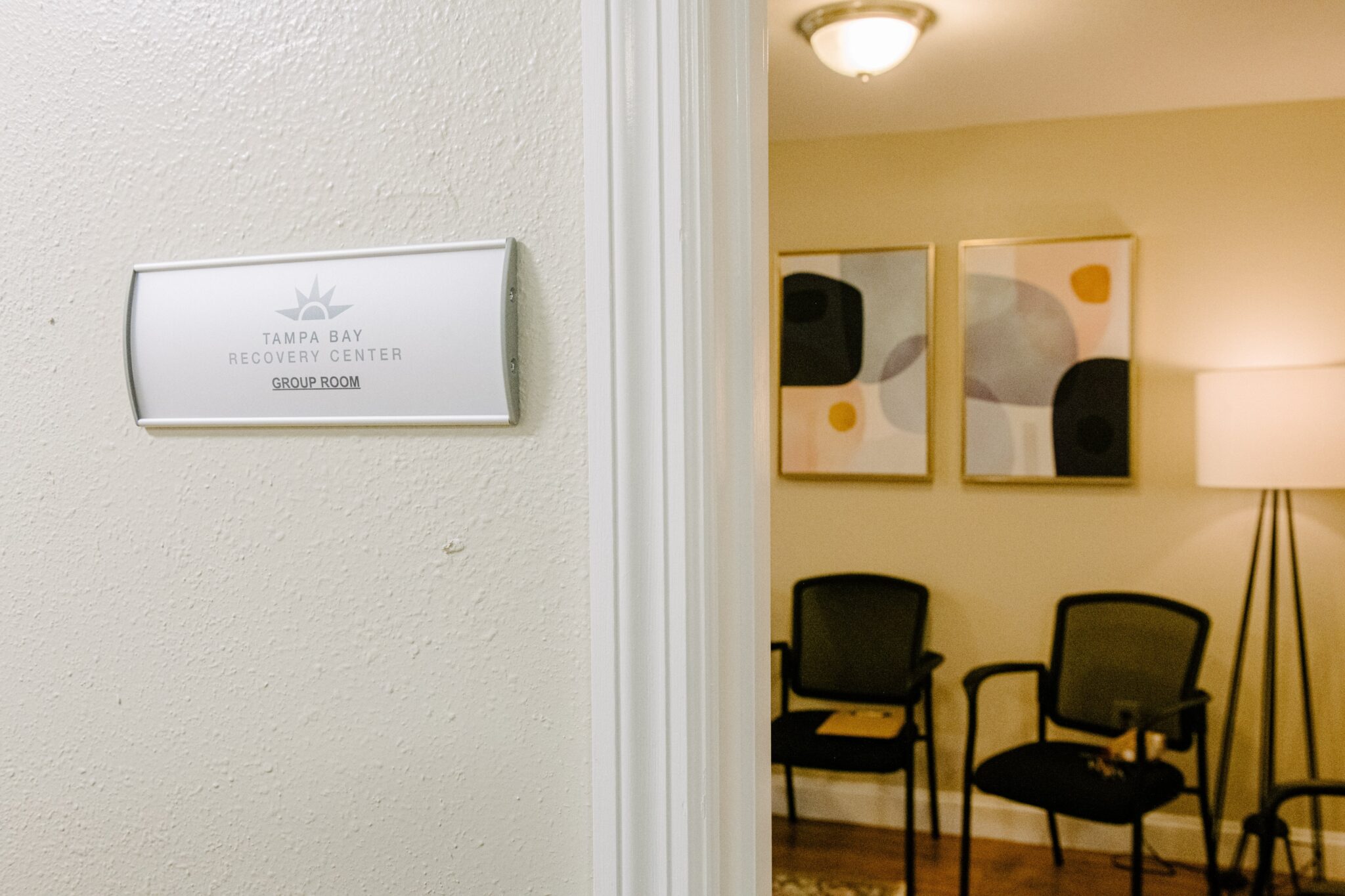
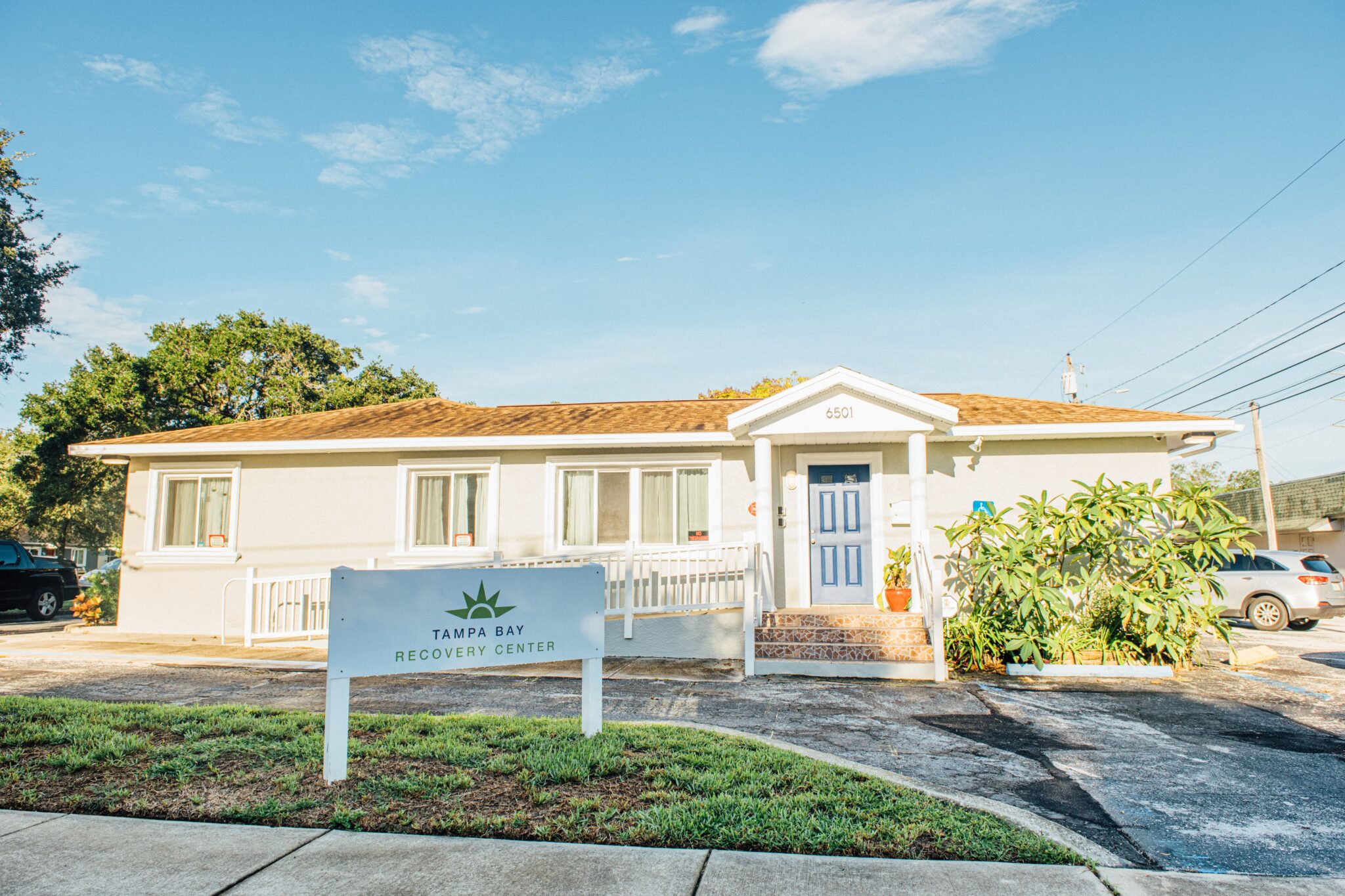
Tour Our Outpatient Detox Facility
Marijuana Withdrawal Is Real
The withdrawal is subtler than opioids or alcohol, and it’s well documented. In one national survey, more than 40% of past-year cannabis users reported experiencing multiple withdrawal symptoms after stopping. Common symptoms include irritability, anxiety, insomnia, vivid dreams, decreased appetite, and strong cravings.
Symptoms typically begin within a day or two of quitting, peak in the first week, and fade over two weeks, though sleep problems can linger longer. That stretch is exactly when most solo quit attempts fail, and it’s where structured support makes the difference.
Rehab Programs for Marijuana Abuse in Tampa
Marijuana rehab at Tampa Bay Recovery Center is outpatient-based, which fits how most people need to quit: while keeping their job, their home life, and their responsibilities intact.
Our programs include:
- Partial Hospitalization Program (PHP): Full-day structure for those whose use has taken over daily life.
- Intensive Outpatient Program (IOP): Several sessions a week, the most common fit for cannabis use disorder.
- Outpatient Rehab: Ongoing therapy that keeps progress on track.
- Virtual Treatment: Telehealth care for clients across Florida.
- Sober Living: Substance-free housing when home is where the habit lives.
Who Develops Problems With Marijuana?
Risk isn’t spread evenly. People who start using in their teens face significantly higher odds of developing cannabis use disorder, since THC interacts with a brain still under construction. Daily users, heavy concentrate users, and people with a family history of addiction also carry elevated risk.
The other major factor is mental health. People managing anxiety, depression, trauma, or ADHD often find marijuana works as short-term relief, and daily relief has a way of becoming dependence. When the substance is doing a job, quitting requires treating the job it was doing, which is exactly how we approach it.
How We Treat Marijuana Addiction
Treatment starts with an honest assessment of your use, your history, and what’s underneath it. From there, individual therapy and cognitive -behavioral therapy (CBT) target the thought patterns and triggers driving use, while group therapy provides accountability alongside people doing the same work. DBT skills build the stress tolerance that cannabis was outsourcing.
Because so much cannabis use is self-medication, psychiatry is part of every plan, addressing sleep, anxiety, and mood directly instead of leaving THC as your only tool. Trauma therapy, EMDR, and holistic services round out care that treats the whole person rather than the habit alone.
Marijuana and Mental Health
Cannabis and mental health are tangled together in both directions. Heavy use can worsen anxiety, flatten motivation, and disrupt sleep architecture, and in vulnerable people, high-potency THC is linked to increased risk of psychosis. Meanwhile, underlying depression, anxiety, PTSD, and ADHD drive people toward daily use in the first place.
That’s why our dual diagnosis treatment addresses both sides at once. Quitting marijuana while leaving untreated anxiety or trauma in place sets people up to relapse, and treating them together is what makes recovery hold.
FAQ
Do I Need Detox To Quit Weed?
For most people, no. Marijuana withdrawal is uncomfortable rather than medically dangerous, so formal detox usually isn’t necessary. What most people do need is structured support through the first weeks of irritability, insomnia, and cravings, which is exactly what our outpatient programs provide. If other substances are in the picture, we’ll assess whether medical detox should come first.
Is Marijuana Legal in Florida?
Florida has a medical marijuana program for qualified patients, and recreational use remains illegal in the state. A 2024 legalization amendment fell short of the 60% approval required, and the follow-up effort did not reach the 2026 ballot. Either way, legality and addiction are separate questions, since plenty of legal substances, including alcohol, are addictive.
How Long Does Marijuana Withdrawal Last?
Most marijuana withdrawal symptoms resolve within one to two weeks. Irritability, anxiety, and cravings typically peak in the first several days, while sleep problems and vivid dreams can linger for a few weeks longer, especially in heavy users. Symptoms improve steadily, and support during that window dramatically improves quit rates.
Does Insurance Cover Marijuana Addiction Treatment?
Yes, in most cases.
Substance use treatment is an essential health benefit under the Affordable Care Act, and cannabis use disorder is a covered diagnosis. We work with major carriers including Aetna, Blue Cross Blue Shield, Cigna, Florida Blue, TRICARE, and United Healthcare, and our free insurance verification will confirm your exact benefits.
Find Marijuana Addiction Treatment in Tampa Bay, Florida
If weed has more control over your life than you’d like to admit, you’re far from alone, and you’re in the right place. Our team treats cannabis use disorder every week, without judgment and without minimizing what you’re up against.
Call Tampa Bay Recovery Center 24/7 at 813-733-8774 to take the first step.
Jeffrey Cohen, M.ED, RMHCI
Clinically Reviewed
Jeff Cohen is a Primary Therapist at Tampa Bay Recovery Center, where he works with individuals experiencing substance use disorders, co-occurring disorders, and primary mental health conditions.
Take Back Control:
Verify Insurance
Addiction and mental health disorder effects the lives of millions of Americans each year. Contact Tampa Bay Recovery Center today to get the help you deserve.
Call 813-733-8774
Insurance Can Cover Up to 100% of costs
We Accept Most Insurance. Please Note We Are Not Affiliated With Or Endorsed By Insurance Companies.
CONTACT US
We Are Always Here For You
Our compassionate team is ready to assist you—contact us now for confidential support tailored to your needs!