Home Withdrawal
Kratom withdrawal catches many people off guard.
The herbal supplement is sold legally in gas stations and smoke shops across the country, which leads users to assume it carries little risk. In reality, regular use can create physical dependence, and kratom withdrawal symptoms can feel similar to opioid withdrawal. Knowing what to expect is the first step toward quitting safely.
Call Tampa Bay Recovery Center today at 813-733-8774 to learn more about kratom rehab in Tampa, FL.
What Is Kratom?
Kratom is an herbal substance made from the leaves of Mitragyna speciosa, a tropical tree native to Southeast Asia. It is sold in the United States as powders, capsules, extracts, and teas. According to the FDA, an estimated 1.7 million Americans aged 12 and older used kratom in 2021.
Kratom’s effects depend on the dose. At low doses it acts as a stimulant, producing energy and alertness. At higher doses it produces opioid-like effects, including pain relief and sedation. Its main active compound, mitragynine, binds to the same opioid receptors in the brain that drugs like oxycodone and heroin activate.
Many people turn to kratom to self-treat pain, anxiety, or opioid withdrawal. The National Institute on Drug Abuse notes that despite these common uses, the FDA has approved zero uses for kratom and has warned consumers about its potential for serious adverse effects.
What Is Kratom Withdrawal?
Kratom withdrawal is the body’s reaction to stopping or cutting back after a period of regular use. Because mitragynine acts on opioid receptors, the brain adapts to its presence the same way it adapts to opioids. Over time, the body needs kratom just to feel normal.
When regular use stops, the nervous system rebounds. The result is a withdrawal syndrome that mirrors opioid withdrawal in many ways, with both physical and psychological symptoms. Research on regular kratom users has documented withdrawal symptoms consistent with DSM-5 criteria for substance use disorder.
Dependence can develop even when kratom is used exactly as intended. People who started taking kratom for pain relief or to get off opioids are often surprised to find themselves facing a new withdrawal when they try to stop.
Kratom Withdrawal Symptoms
Kratom withdrawal symptoms range from mild discomfort to significant distress depending on dose, frequency, and duration of use. Heavy daily users tend to experience the most intense symptoms.
Common kratom withdrawal symptoms include:
- Muscle aches and body pain: Deep, flu-like aching is one of the most frequently reported symptoms.
- Runny nose and watery eyes: These cold-like symptoms reflect the body’s opioid-type rebound.
- Anxiety and irritability: Restlessness and a short temper often appear within the first day.
- Insomnia: Trouble falling asleep and staying asleep can persist beyond the physical symptoms.
- Sweating and chills: Temperature regulation is often disrupted during the first several days.
- Nausea and stomach upset: Digestive symptoms can include cramping, diarrhea, and loss of appetite.
- Strong cravings: The urge to take kratom again peaks early and gradually fades.
- Low mood: Depression and lack of motivation can follow as brain chemistry rebalances.
Some people also experience tremors, rapid heartbeat, or jerky limb movements during acute withdrawal. Medical supervision keeps these withdrawal symptoms manageable and safe.
Kratom Withdrawal Timeline
How long does kratom withdrawal last? For most people, the acute phase runs about a week, though the exact timeline depends on how heavily kratom was used.
Symptoms typically begin within 12 to 24 hours of the last dose. Early symptoms include anxiety, restlessness, and cravings, along with the first waves of physical discomfort. Because mitragynine leaves the body relatively quickly, withdrawal tends to start sooner than it does with long-acting opioids.
The peak usually arrives between days two and four. Muscle aches, sweating, insomnia, and digestive symptoms are strongest during this window. By days five through seven, physical symptoms fade noticeably. Psychological symptoms like low mood, cravings, and sleep trouble can linger for several weeks in heavy users, a pattern sometimes called protracted withdrawal.
These lingering symptoms improve steadily with time and support.
TOUR
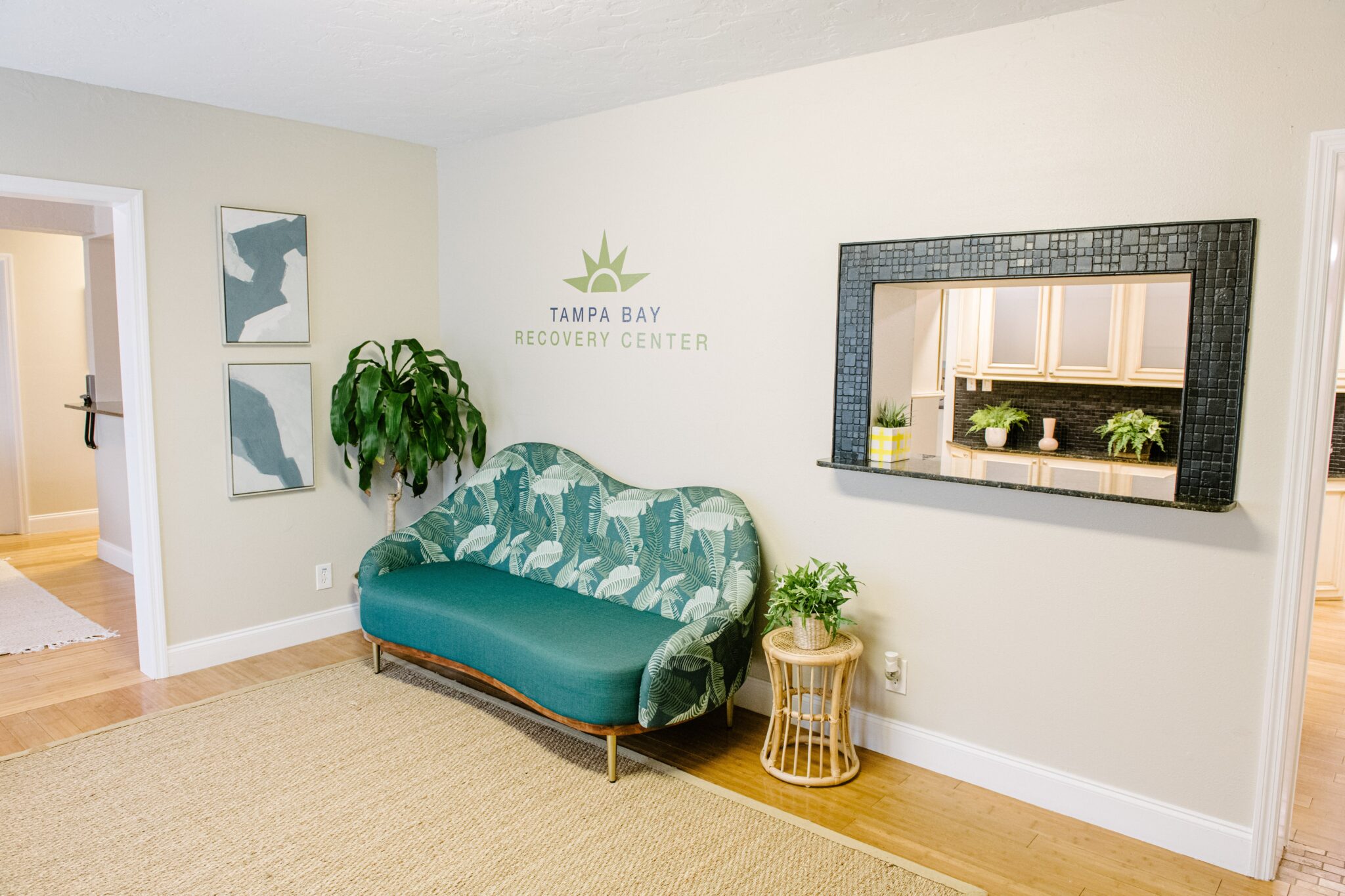
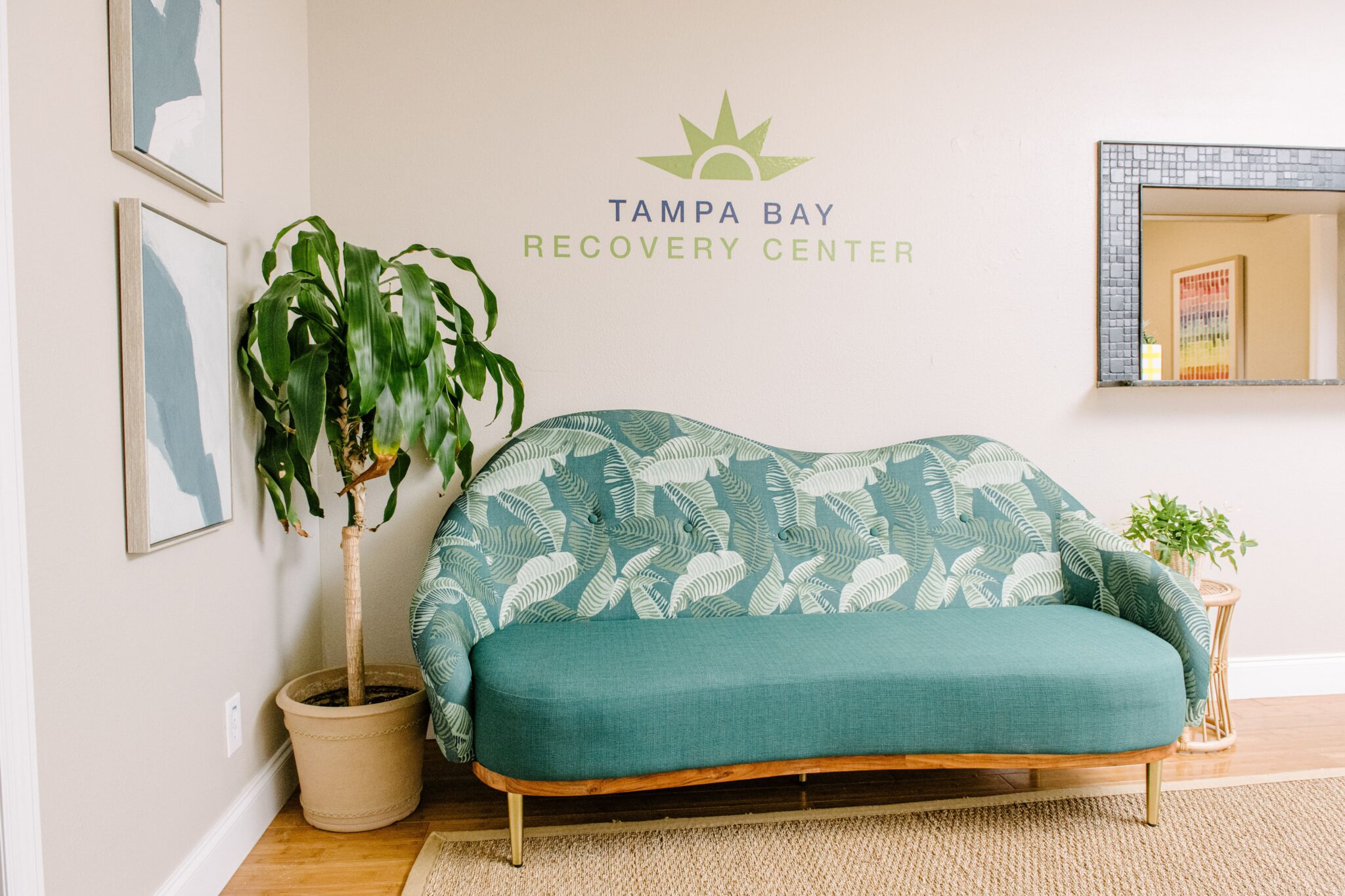
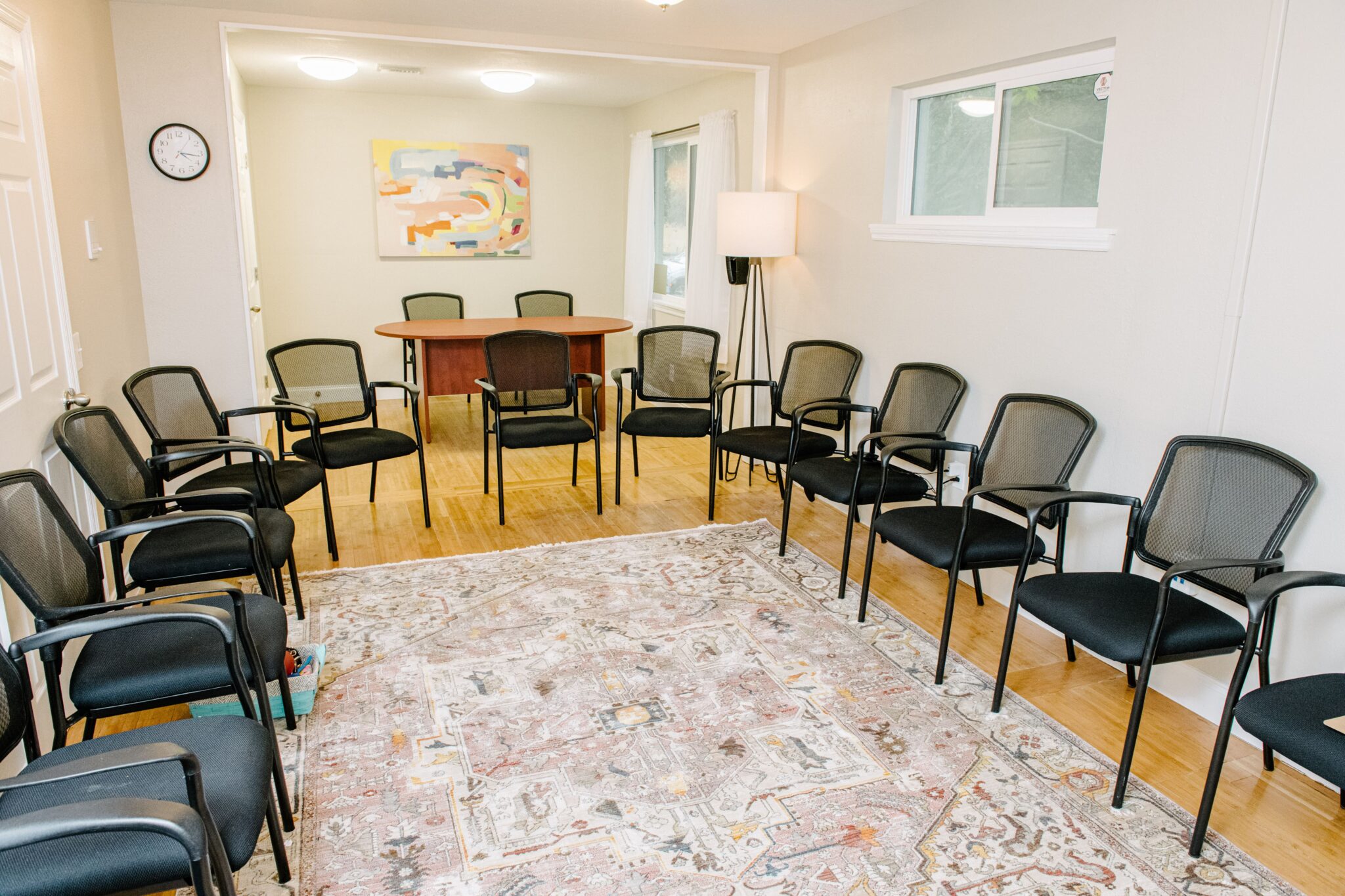
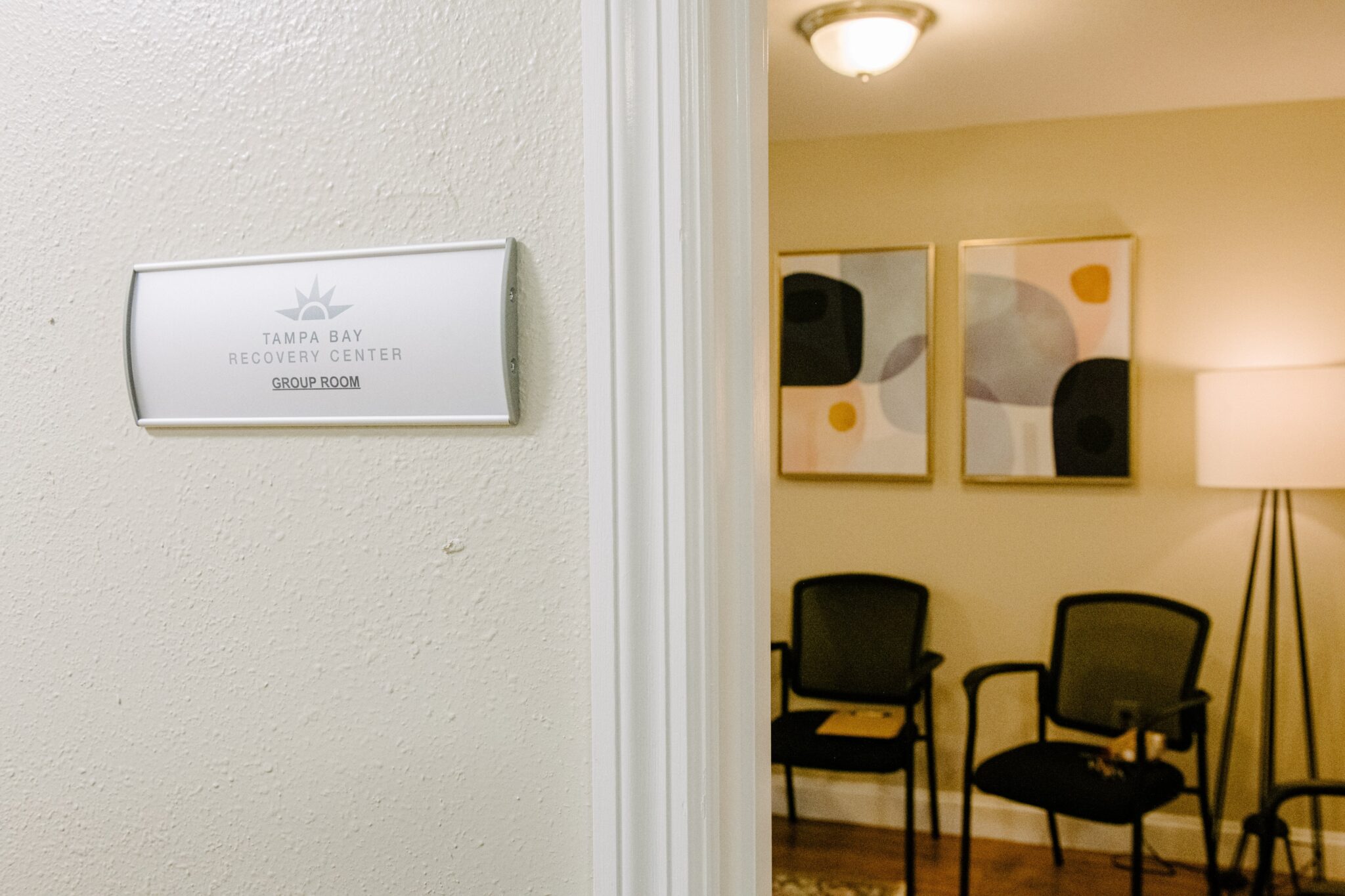
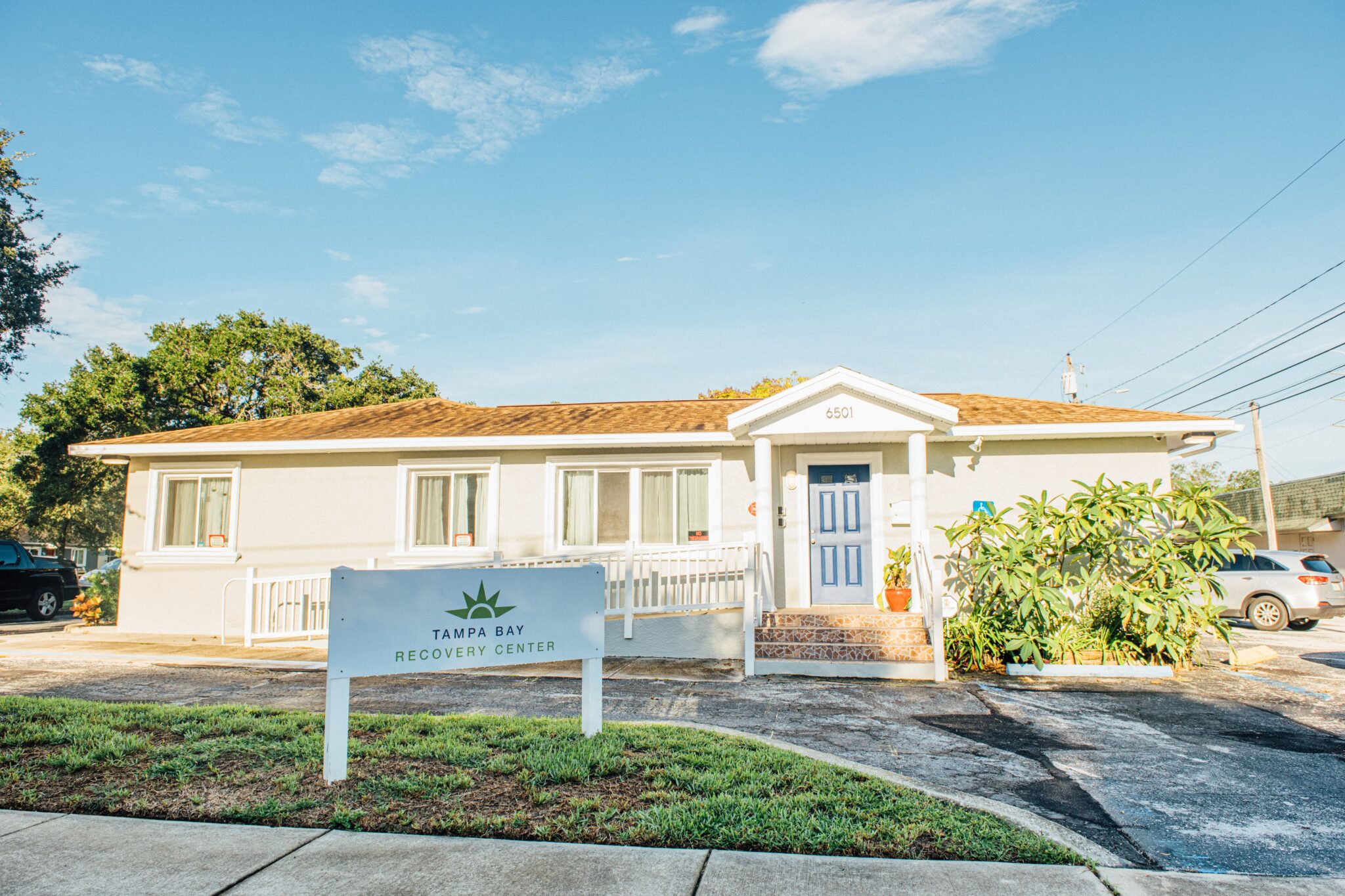
Tour Our Kratom Rehab Programs in Tampa Bay

How To Detox From Kratom?
The safest way to detox from kratom is under medical supervision. A physician can evaluate your usage pattern, overall health, and any co-occurring conditions, then build a plan that keeps withdrawal comfortable and controlled.
A medically supported kratom detox typically includes:
- A full medical evaluation: Your care team reviews your kratom use, health history, and any other substances involved.
- A gradual taper or managed discontinuation: Slowly reducing the dose softens withdrawal for many people, while others do better stopping with medication support.
- Symptom-targeted medications: Comfort medications can address nausea, aches, anxiety, and insomnia as they arise.
- Ongoing monitoring: Regular check-ins let your team adjust the plan as your body responds.
- A transition plan: Detox works best when it connects directly to counseling or continued outpatient care.
Quitting cold turkey at home is where most solo attempts fall apart. Symptoms peak, sleep disappears, and taking more kratom starts to feel like the only relief. Medical support removes that pressure point.
When To Seek Help
Professional help makes sense the moment kratom use starts running your schedule instead of the other way around. Signs include taking kratom every few hours to hold off withdrawal, failed attempts to cut back, and rising doses that no longer produce the original effect.
Withdrawal symptoms themselves are another clear signal. If stopping kratom brings on body aches, anxiety, insomnia, or digestive distress, your body has developed dependence and a supervised detox will make quitting far more achievable.
People who use kratom alongside other substances, or who have underlying health conditions, benefit most from medical oversight. A quick call with our admissions team can clarify the safest path forward for your situation.
FAQ
Is Kratom Addictive?
Yes, kratom can be addictive. Its active compounds bind to opioid receptors in the brain, and regular use leads to tolerance and physical dependence in many users. Research has documented kratom use disorder that meets DSM-5 criteria, including cravings, escalating use, and withdrawal symptoms when stopping.
How Long Does Kratom Withdrawal Last?
Acute kratom withdrawal typically lasts five to seven days. Symptoms begin within 12 to 24 hours of the last dose and peak around days two through four. Psychological symptoms like cravings, low mood, and sleep trouble can continue for several weeks in heavy users before resolving fully.
What Are Kratom Withdrawal Symptoms?
Kratom withdrawal symptoms resemble opioid withdrawal. The most common include muscle aches, runny nose, sweating, anxiety, irritability, insomnia, nausea, and strong cravings. Severity depends on how much and how often kratom was used, with heavy daily users experiencing the most intense symptoms.
How Do You Stop Taking Kratom Safely?
The safest approach is a medically supervised detox. A physician can create a gradual taper or provide comfort medications that manage symptoms as they arise. Medical oversight keeps you stable through the peak days of withdrawal and connects you to ongoing support once the acute phase ends.
Is Kratom Withdrawal Dangerous?
For most people, kratom withdrawal is safe with proper support, though it can be intensely uncomfortable. Risks rise for people with underlying health conditions, those who use high doses, and those who combine kratom with other substances. Dehydration from vomiting or diarrhea also needs medical attention. Supervised detox keeps these risks controlled.

Jeffrey Cohen, M.ED, RMHCI
Clinically Reviewed
Jeff Cohen is a Primary Therapist at Tampa Bay Recovery Center, where he works with individuals experiencing substance use disorders, co-occurring disorders, and primary mental health conditions.
Take Back Control:
Verify Insurance
Addiction and mental health disorder effects the lives of millions of Americans each year. Contact Tampa Bay Recovery Center today to get the help you deserve.
Start Kratom Detox Today
Kratom dependence responds well to treatment, and detox lets you recover while staying home and keeping up with your life. Our board-certified team will build a plan around your needs and guide you through every stage of withdrawal.
Call us today at 813-733-8774 to get the help that you deserve.
CONTACT US
We Are Always Here For You
Our compassionate team is ready to assist you—contact us now for confidential support tailored to your needs!