Home Programs Alcohol Rehab
Tampa Bay Recovery Center provides outpatient care for adults experiencing gambling addiction and co-occurring mental health concerns.
Our gambling treatment center in Florida serves Tampa, St. Petersburg, and surrounding communities. Treatment helps clients understand gambling behaviors and develop healthier ways to manage urges.
Gambling can affect a person’s finances and relationships. It can also influence mental health and daily stability. Professional support creates a structured path toward recovery. Our team develops each treatment plan around the client’s experiences and goals.
Call us at 813-733-5686 to learn more about addiction treatment in Florida.
What Is Gambling Addiction?
Gambling addiction is also called gambling disorder or compulsive gambling. It involves a persistent pattern of betting that continues despite harmful consequences. A person may feel driven to keep gambling after financial losses or personal conflicts.
Gambling disorder is a behavioral addiction. It can affect the brain’s reward system in ways that resemble substance addiction. Excitement and anticipation may reinforce the behavior. Over time, a person may need larger bets or greater risks to experience the same response.
Signs of a Gambling Problem
A person with gambling addiction may spend increasing amounts of time thinking about bets. They may plan future gambling or replay previous wins. Many people also return after a loss in an attempt to recover their money. This pattern is often called chasing losses.
Other signs may include borrowing money and missing financial obligations. A person may hide gambling activity or become distressed when trying to stop. Work performance and family relationships may also change. These patterns can signal that professional support would be helpful.
How Gambling Addiction Affects Everyday Life
The effects of gambling addiction often extend beyond money. Repeated gambling can create stress and disrupt sleep. It may also affect concentration and emotional regulation. These changes can make work and daily responsibilities harder to manage.
Relationships may experience secrecy and broken trust. Families may also face debt or uncertainty about household expenses. Treatment addresses the behavioral pattern and its wider effects. Recovery can support emotional health and help clients rebuild stability.
Why Gambling Becomes Compulsive
Gambling activates the brain’s reward system through anticipation and uncertainty. A win can create a powerful emotional response. A near win may also encourage continued play. These experiences can strengthen the urge to gamble again.
Personal factors can also contribute to gambling addiction. Stress and trauma may increase vulnerability. Impulsivity and family history can also play a role. Easy access to online betting creates frequent opportunities to gamble. Treatment helps clients understand how these factors shape their behavior.
Gambling Addiction and Co-Occurring Mental Health Conditions
Gambling disorder often appears alongside depression or anxiety. Some people also experience trauma symptoms or bipolar disorder. Attention-deficit hyperactivity disorder may contribute to impulsive decisions. Substance use can further increase financial and emotional risks.
Integrated care addresses gambling behavior and mental health within the same treatment plan. Therapy can help clients recognize how each condition affects the other. Psychiatric services may also support eligible clients. Coordinated care creates a stronger foundation for long-term recovery.
Treatment for Gambling Addiction in Florida
Treatment begins with an assessment of the client’s gambling patterns and current concerns. The clinical team may ask about financial consequences and emotional symptoms. The assessment can also explore family relationships and substance use. This information guides the recommended level of care.
Tampa Bay Recovery Center offers structured outpatient programs. These include partial hospitalization and intensive outpatient treatment. Standard outpatient care provides continued support through a flexible schedule. Clients can live at home or in supportive housing while receiving treatment.
TOUR
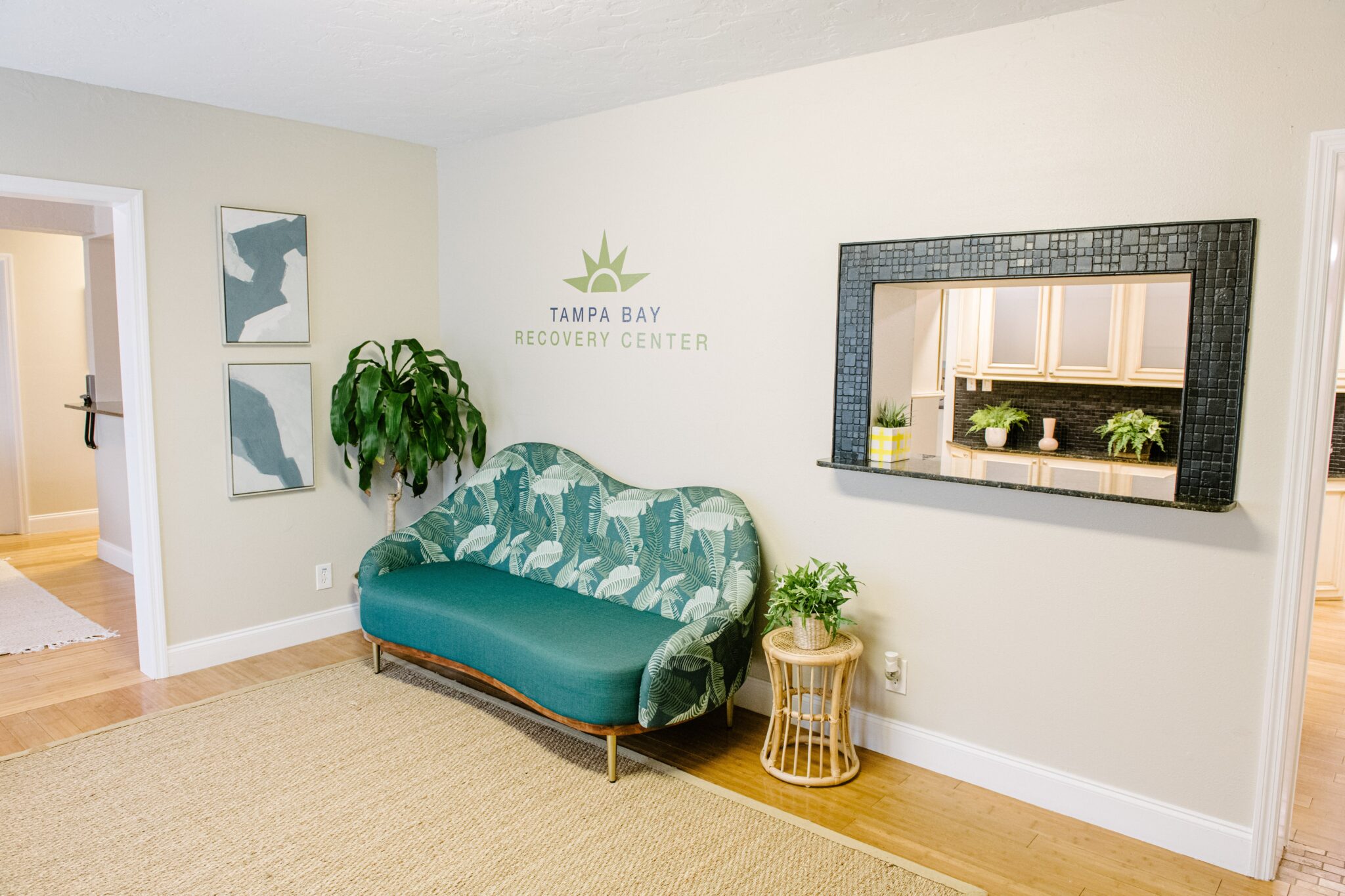
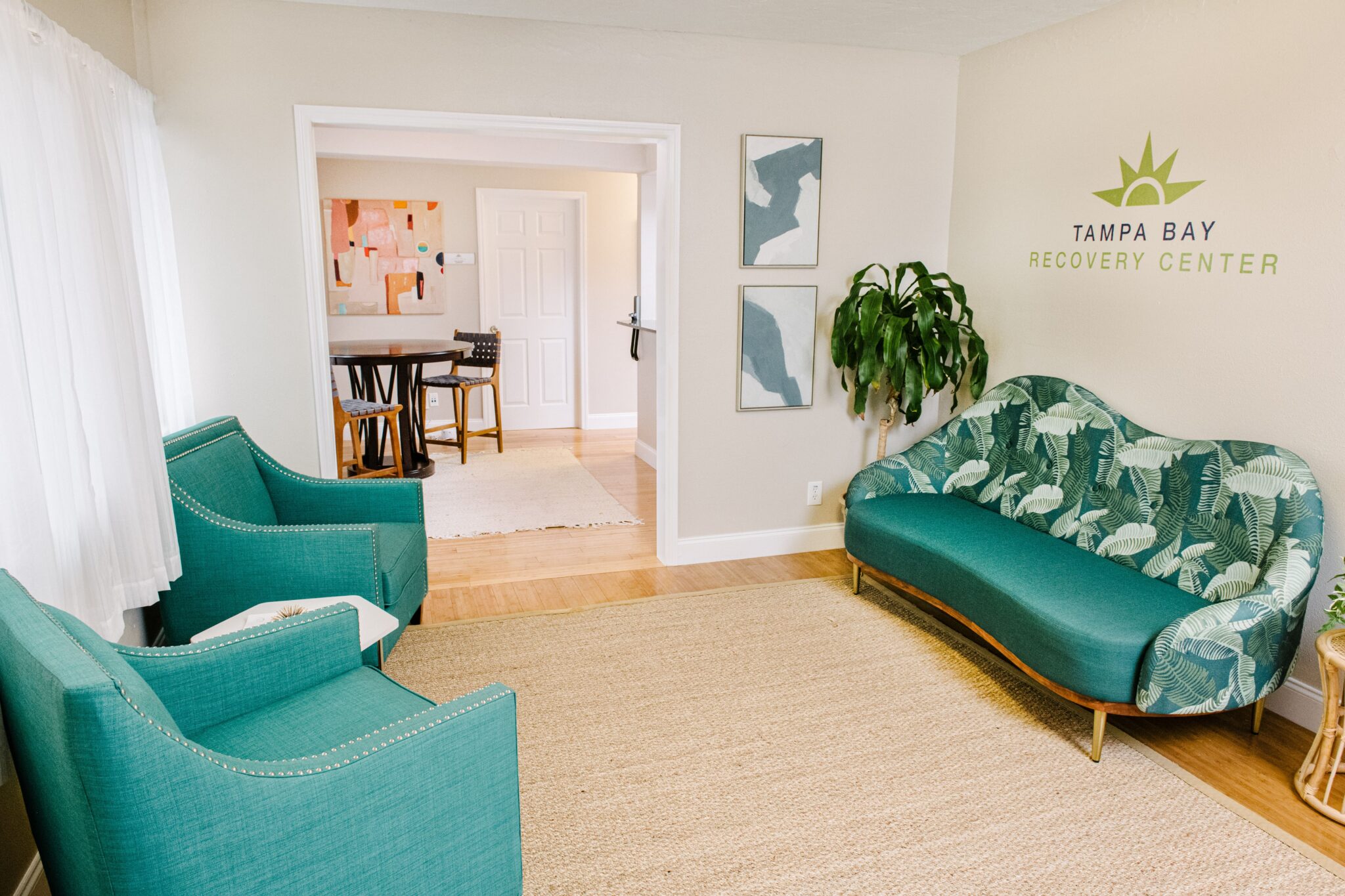
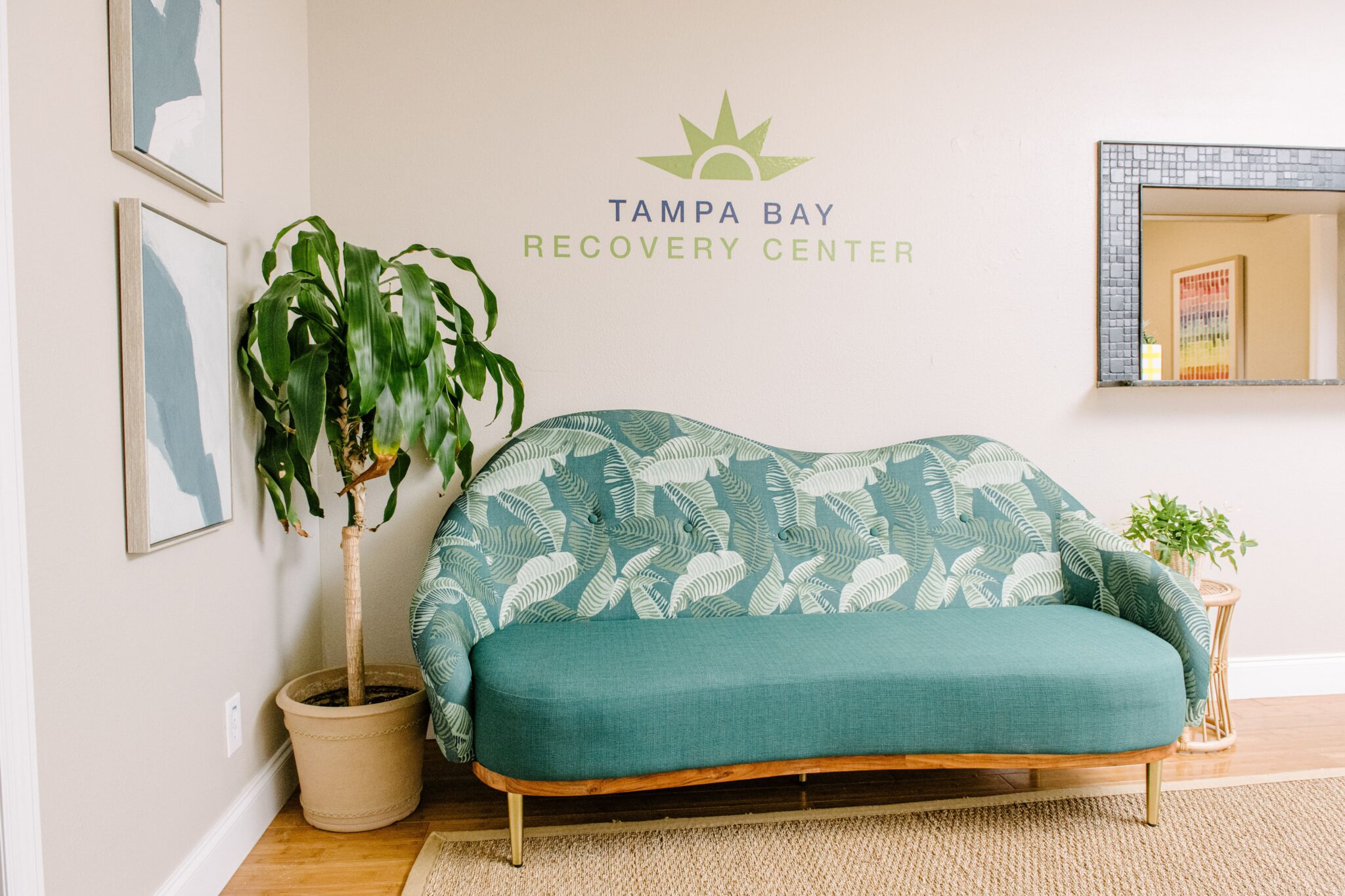
Tour Our Addiction Treatment Programs
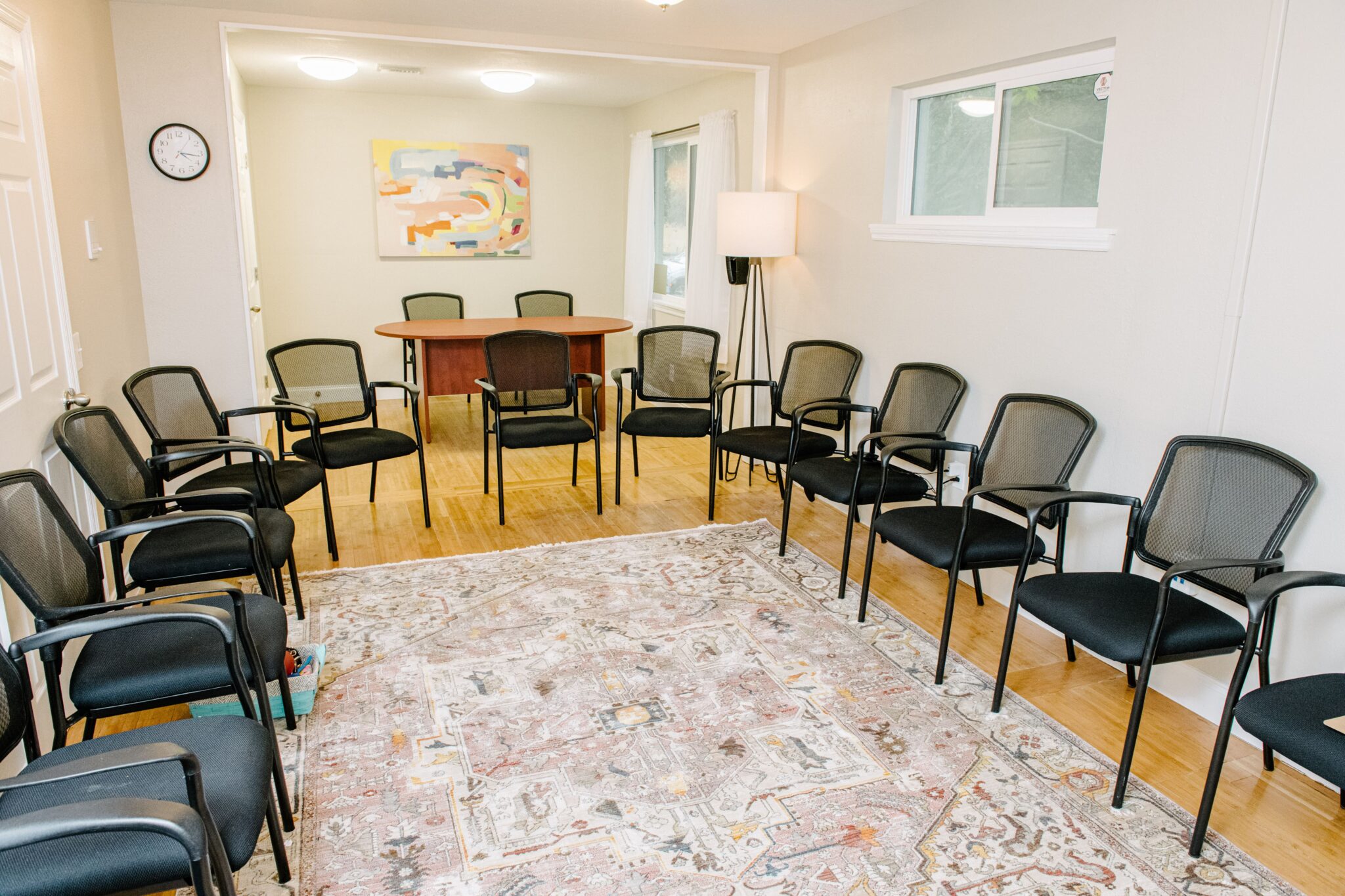
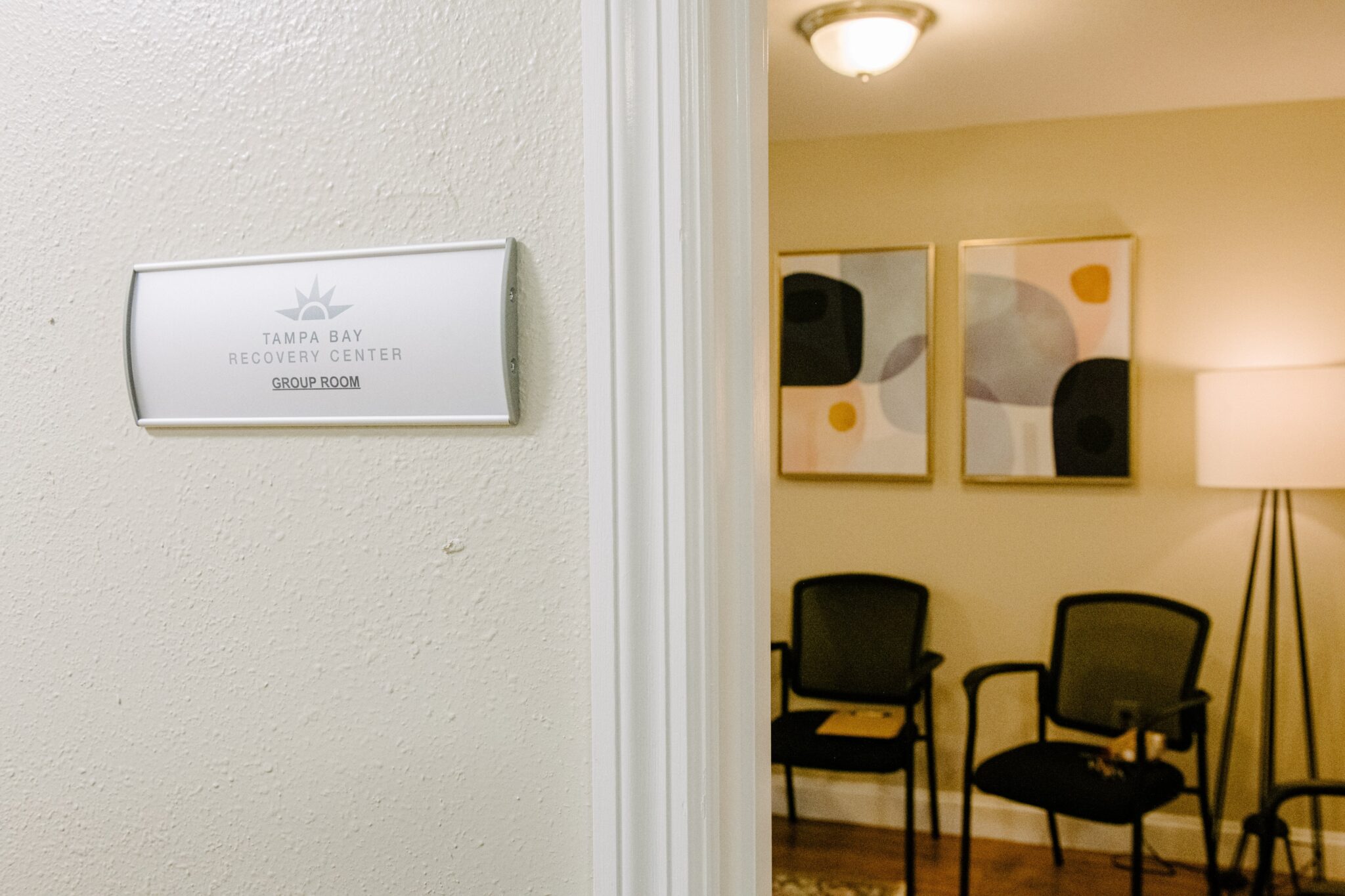
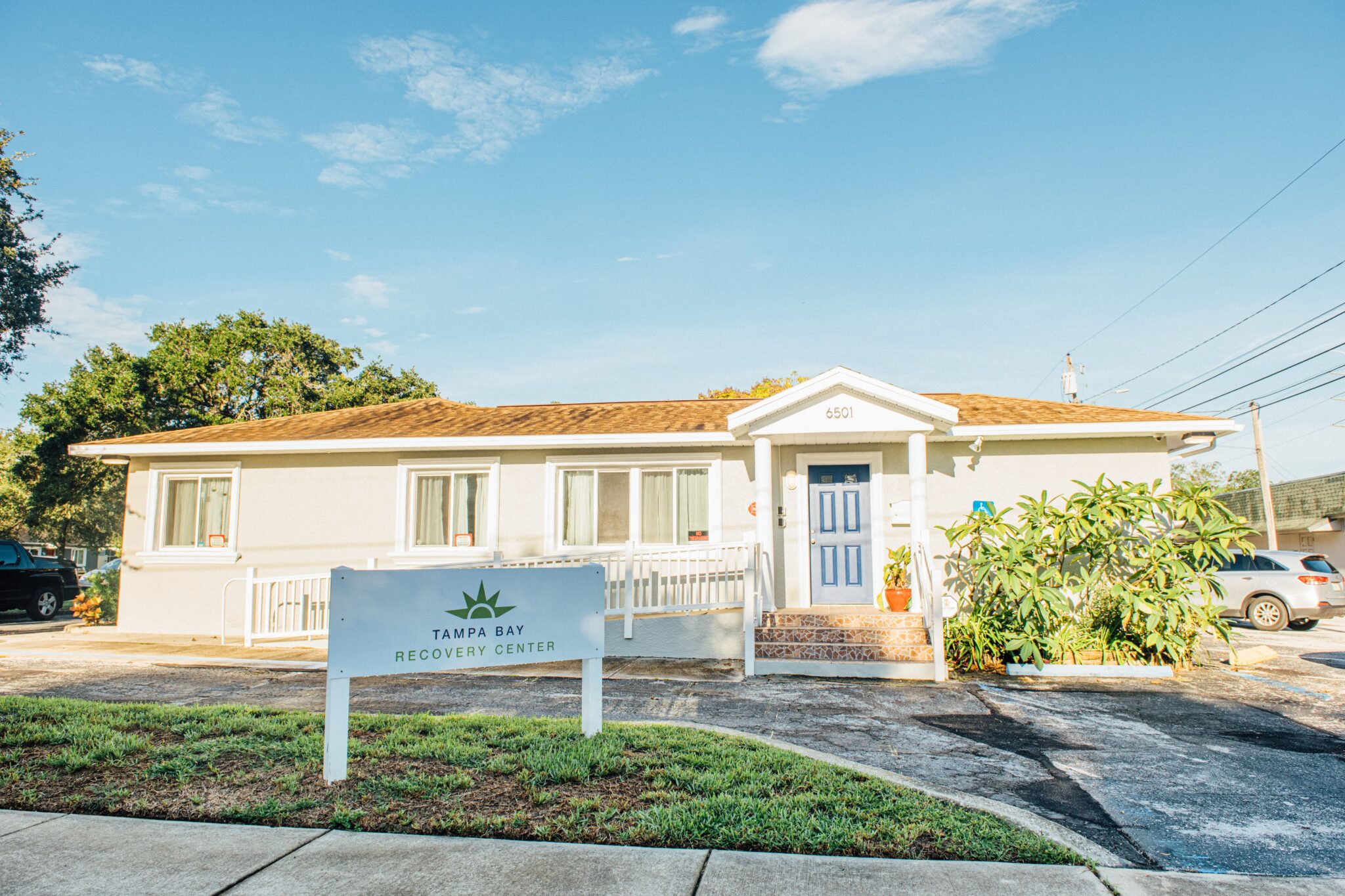
Therapies Used to Treat Gambling Addiction
Cognitive behavioral therapy can help clients identify thoughts that encourage gambling. These thoughts may involve beliefs about luck or control. Therapy teaches clients to challenge these patterns and make more deliberate choices. It also supports practical strategies for managing urges.
Motivational interviewing can strengthen a person’s commitment to change. Individual therapy provides space to address triggers and personal concerns. Group therapy offers connection with others who understand compulsive behavior. Family therapy may help loved ones rebuild trust and establish healthy boundaries.
Managing Gambling Triggers and Urges
Triggers can include stress and boredom. Financial pressure or access to betting apps may also increase urges. Sporting events and social environments can create additional exposure. Treatment helps clients identify their personal triggers and prepare for them.
A recovery plan may include blocking software and spending limits. Clients may also benefit from accountability with a trusted person. Coping strategies can support clients during moments of strong temptation. Each successful response helps strengthen new patterns.
Rebuilding Financial and Family Stability
Financial recovery is often an important part of gambling treatment. Clients can begin by creating a clear picture of debts and current expenses. Structured budgets and account safeguards may support progress. Financial counseling can provide additional guidance when appropriate.
Family healing may involve honest conversations and clear expectations. Loved ones can learn how to support recovery while protecting household resources. Therapy can also address anger or fear connected to gambling. Consistent actions can gradually restore confidence and trust.
Outpatient Programs for Gambling Addiction
A partial hospitalization program offers the greatest amount of outpatient structure. Clients attend treatment for several hours during the day. They return home or to supportive housing after programming. PHP may help people experiencing significant disruption from gambling and mental health symptoms.
An intensive outpatient program provides several treatment sessions each week. Standard outpatient care offers a lighter schedule as clients gain stability. These programs can help people balance treatment with work or family responsibilities. The clinical team recommends a level of care based on each client’s needs.
Gambling Treatment Serving Tampa Bay
Tampa Bay Recovery Center serves adults from Tampa and St. Petersburg. We also welcome clients from Clearwater and Brandon. Our programs are accessible to residents across Hillsborough County and Pinellas County.
Our treatment center is located at 6501 1st Avenue South in St. Petersburg, Florida. Outpatient care allows clients to remain connected to their local support systems. Flexible programming can also help clients maintain employment or attend school during recovery.
Support for Families Affected by Gambling Addiction
Family members often feel the effects of gambling addiction. They may experience stress related to finances and trust. Education can help loved ones understand compulsive gambling as a behavioral health condition. It can also provide direction during difficult conversations.
Family therapy may support communication and collaborative problem-solving. Loved ones can develop boundaries that protect their financial health. They can also learn how to encourage treatment and recovery. Support remains valuable as the family begins rebuilding stability.
Florida Gambling Addiction Resources
The Florida Council on Compulsive Gambling operates the statewide 888-ADMIT-IT helpline. Florida residents can call or text 888-236-4848 for confidential support. The helpline is available 24 hours a day throughout the year.
The National Problem Gambling Helpline also connects callers with local resources. Call or text 1-800-MY-RESET for support. Anyone experiencing immediate danger or thoughts of suicide can call 911 or the 988 Suicide & Crisis Lifeline.
Frequently Asked Questions
Is Gambling Addiction a Mental Health Disorder?
Yes, gambling disorder is a recognized mental health condition. It appears within the category of substance-related and addictive disorders in the DSM-5-TR. The condition involves persistent gambling behavior that causes significant problems in a person’s life.
Can Gambling Addiction Be Treated?
Yes, gambling addiction can be treated through professional behavioral health care. Therapy can help clients recognize triggers and change harmful thought patterns. Treatment can also build coping skills and address co-occurring conditions.
What Type of Therapy Works for Gambling Addiction?
Cognitive behavioral therapy is commonly used for gambling addiction. Motivational interviewing may also strengthen readiness for change. Individual, group, and family therapy can support different parts of the recovery process.
Can Gambling Addiction Occur With Substance Abuse?
Yes, gambling addiction can occur alongside alcohol or drug use. Substance use may increase impulsive decisions and financial risks. Dual diagnosis treatment addresses both conditions within one coordinated plan.
How Long Does Gambling Addiction Treatment Last?
Treatment length depends on the severity of the behavior and the client’s progress. Some people benefit from several weeks of structured care. Others continue outpatient therapy for several months. The treatment team reviews progress throughout the program.
Can I Keep Working During Gambling Addiction Treatment?
Many clients continue working during outpatient treatment. IOP and standard outpatient care provide flexible schedules. The admissions team can help clients identify a program that fits their responsibilities.
Does Insurance Pay for Gambling Treatment?
Insurance may cover behavioral health services used to treat gambling addiction. Coverage depends on the member’s policy and the recommended services. A benefit verification can clarify eligibility and expected costs.
How Can Family Members Help Someone With a Gambling Problem?
Family members can encourage treatment and create clear financial boundaries. They may also participate in family therapy. Support groups and educational resources can help loved ones protect their well-being throughout the recovery process.

Jeffrey Cohen, M.ED, RMHCI
Clinically Reviewed
Jeff Cohen is a Primary Therapist at Tampa Bay Recovery Center, where he works with individuals experiencing substance use disorders, co-occurring disorders, and primary mental health conditions.
Take Back Control:
Verify Insurance
Addiction and mental health disorder effects the lives of millions of Americans each year. Contact Tampa Bay Recovery Center today to get the help you deserve.
Find Gambling Addiction Treatment in Florida
Tampa Bay Recovery Center provides compassionate outpatient care for gambling addiction and co-occurring mental health conditions. Our programs help clients change harmful patterns and rebuild stability. Each person receives care that reflects their experiences and recovery goals.
Call Tampa Bay Recovery Center at 813-733-5686 to speak with our admissions team. You can also complete our confidential insurance verification form online. Help is available for individuals and families throughout Tampa Bay.
CONTACT US
We Are Always Here For You
Our compassionate team is ready to assist you—contact us now for confidential support tailored to your needs!