Home Programs Outpatient Rehab
Medically Reviewed by Jeffrey Cohen, M.Ed, RMHCI
Outpatient rehab in Tampa Bay can be an ideal treatment option for people whose lives have been disrupted by substance abuse and mental health disorders but still want to live from home and attend to their daily lives. Our outpatient programming includes a minimum of three hours per week along with array of research-supported services.
Learn more about our rehab programs in Tampa or verify your insurance.
What is Outpatient Rehab?
Outpatient rehab is a level of treatment for addiction that does not have a mandatory residential component.
At the inpatient and residential levels, people who receive addiction treatment are required to live on-site during their time in treatment. Those who take part in outpatient rehab in Tampa Bay can return to their homes or to alternative supported residences when treatment is not in session.
During outpatient rehab sessions, participants can engage in a variety of therapeutic activities to prepare them for successful recovery.
What to Expect at Outpatient Rehab at Tampa Bay Recovery Center
Outpatient rehab at Tampa Bay Recovery Center is designed for individuals who have built a stable foundation in recovery and are ready to apply the skills they’ve developed in PHP or IOP to everyday life — with continued clinical support to guide that transition.
At this level of care, clients attend individual therapy sessions, participate in group programming, and continue meeting with our clinical team on a consistent schedule. The reduced time commitment compared to PHP and IOP allows clients to maintain full-time work, school, and family responsibilities while staying connected to professional treatment.
Outpatient rehab is not a passive experience. Clients are expected to engage actively in their sessions, practice the coping and relapse prevention skills they’ve developed, and bring real-life challenges — triggers, relationship dynamics, work stress, cravings — into the therapeutic work.
The goal is not just to maintain sobriety but to build the tools and confidence needed to sustain it long after formal treatment ends.
Our outpatient program serves individuals stepping down from IOP, as well as those entering treatment for the first time with a mild to moderate substance use disorder and a stable living situation. Call 813-733-8774 or verify your insurance to speak with our admissions team about whether outpatient is the right starting point for your care.
Outpatient Rehab Therapies at Tampa Bay Recovery Center
Outpatient rehab at TBRC is an active, evidence-based clinical treatment tailored to where each client is in their recovery. Services available at the outpatient level include:
Individual Therapy — One-on-one sessions with a licensed therapist to process triggers, address underlying psychological patterns, refine the relapse prevention plan, and work through ongoing life challenges that could threaten sobriety. Individual therapy is the backbone of outpatient care at TBRC.
Cognitive Behavioral Therapy (CBT) — CBT helps clients identify and restructure the thought patterns that drive substance use and emotional dysregulation. Skills developed in CBT — cognitive restructuring, behavioral activation, coping strategies — are particularly valuable in outpatient when clients are navigating real-world stressors between sessions.
Dialectical Behavior Therapy (DBT) — DBT focuses on four core skill areas: mindfulness, distress tolerance, emotion regulation, and interpersonal effectiveness. These skills support clients in managing difficult emotions and relationship challenges without turning to substances.
Group Therapy — Group sessions provide peer connection, shared accountability, and the opportunity to process experiences alongside others who understand the recovery journey. Group therapy at the outpatient level is less frequent than in PHP or IOP but remains a meaningful component of the program.
Family Therapy — Outpatient is often the level of care where family dynamics come most sharply into focus, as clients are living at home and navigating relationships in real time. Family sessions help restore trust, establish healthy boundaries, and build the communication skills that support long-term recovery.
EMDR Therapy — For clients with unresolved trauma that continues to affect their recovery, EMDR can be continued or initiated at the outpatient level. Learn more about EMDR for addiction at TBRC.
Psychiatry and Medication Management — Clients receiving psychiatric medication or MAT continue to meet with our medical director or nurse practitioner at the outpatient level to monitor progress and adjust treatment as needed.
Medication-Assisted Treatment (MAT) — MAT with Naltrexone, Vivitrol, or Sublocade can be continued throughout outpatient care for clients who benefit from ongoing medication support.
TOUR
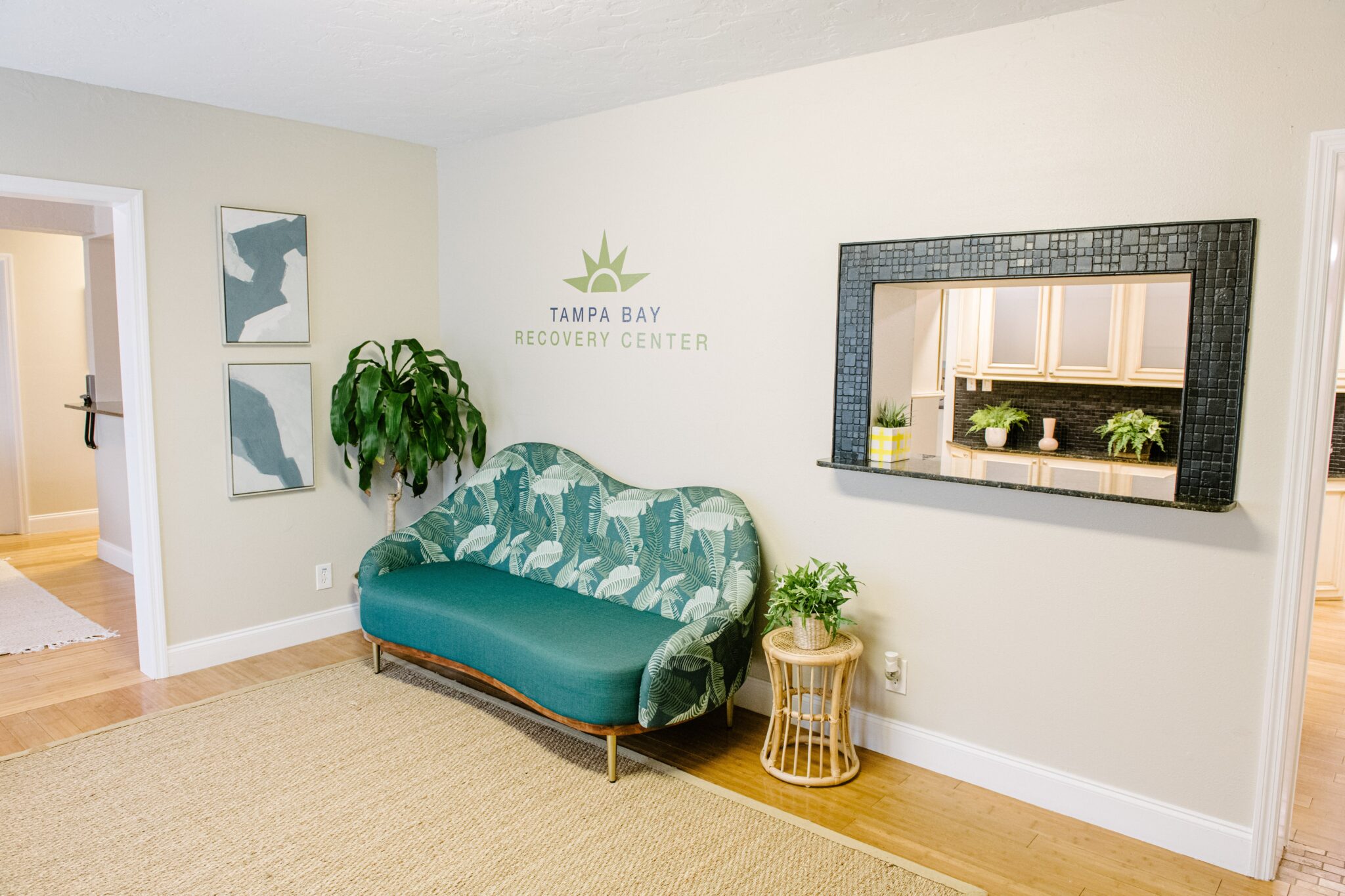
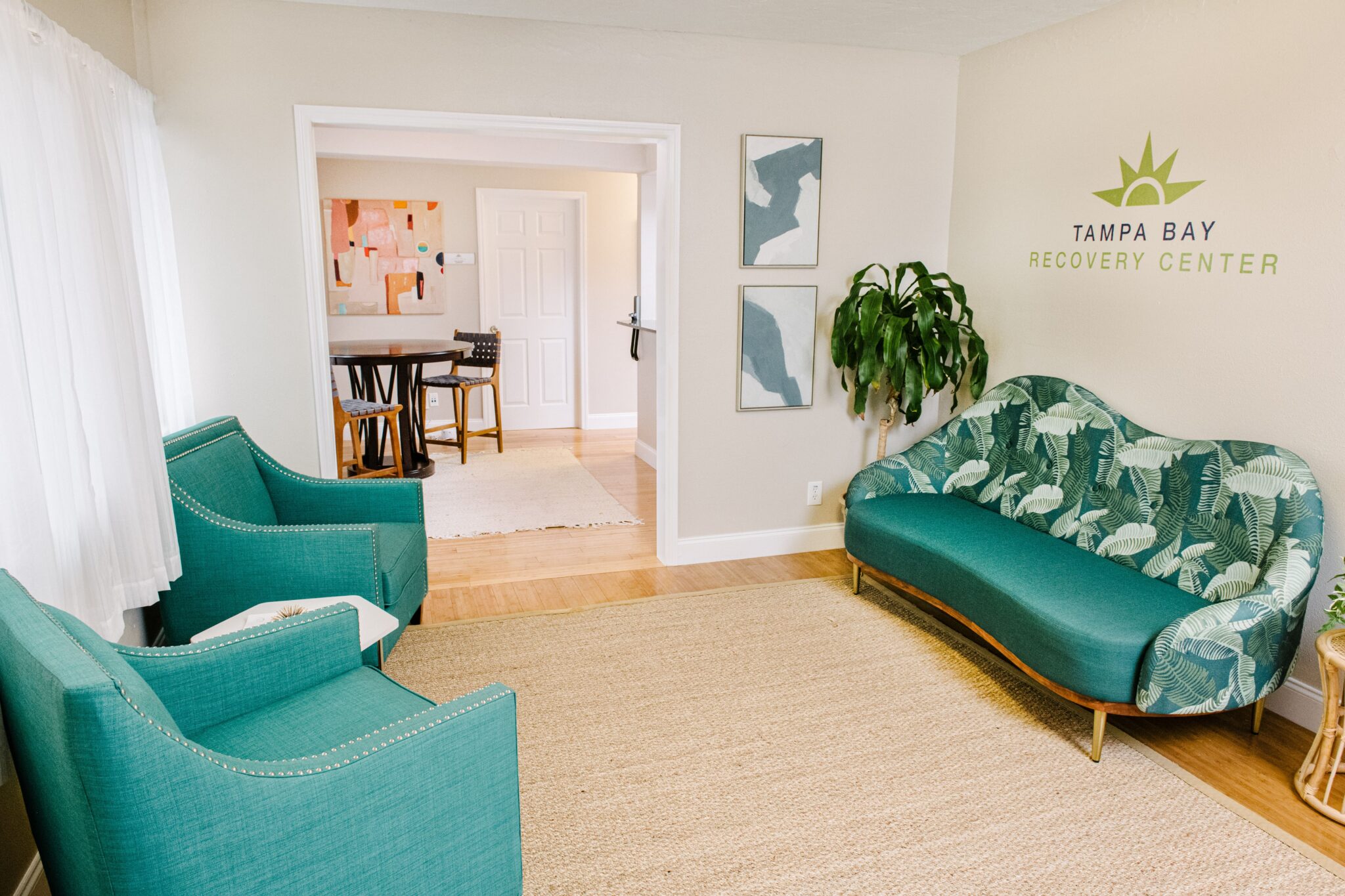
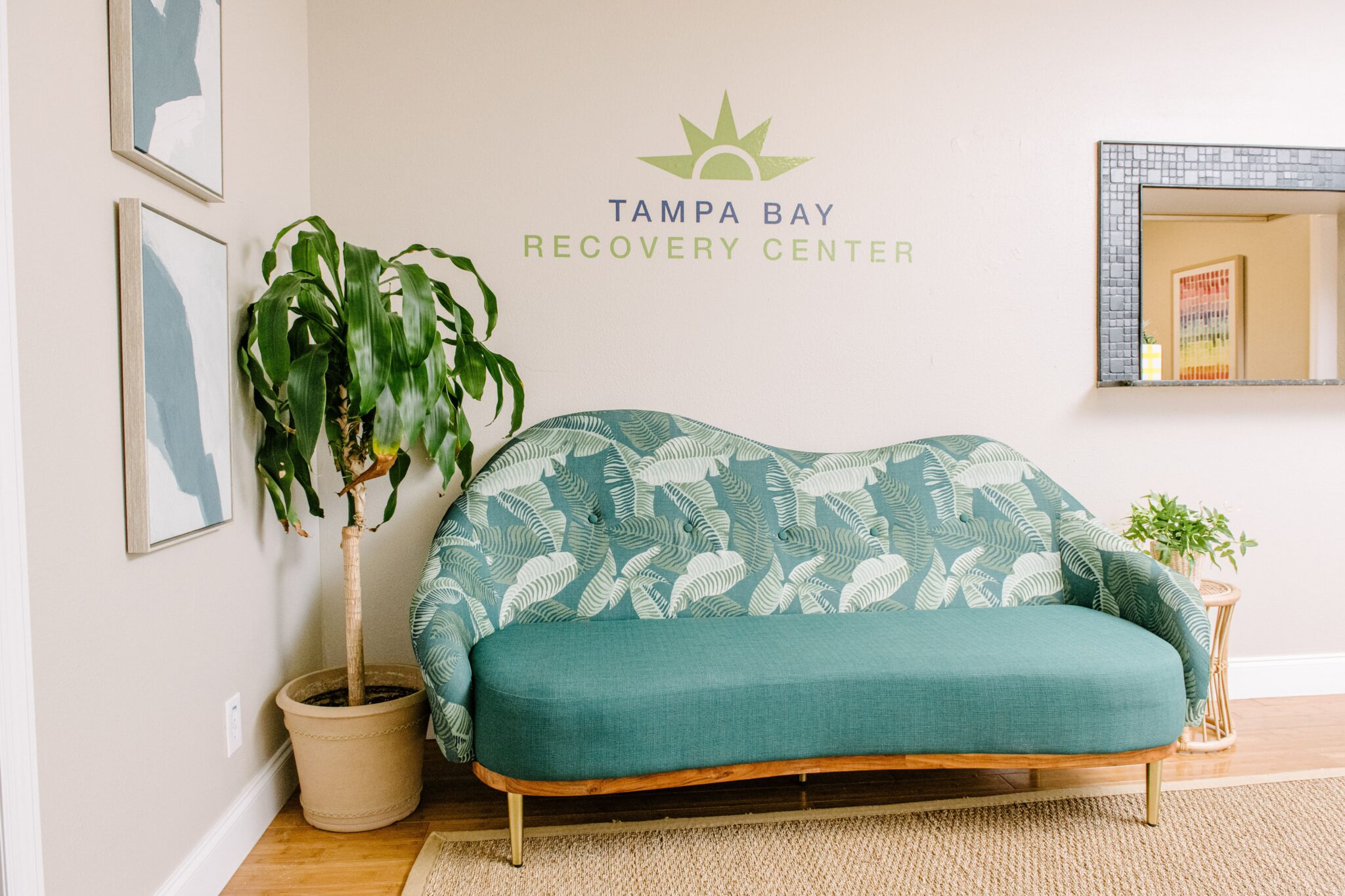
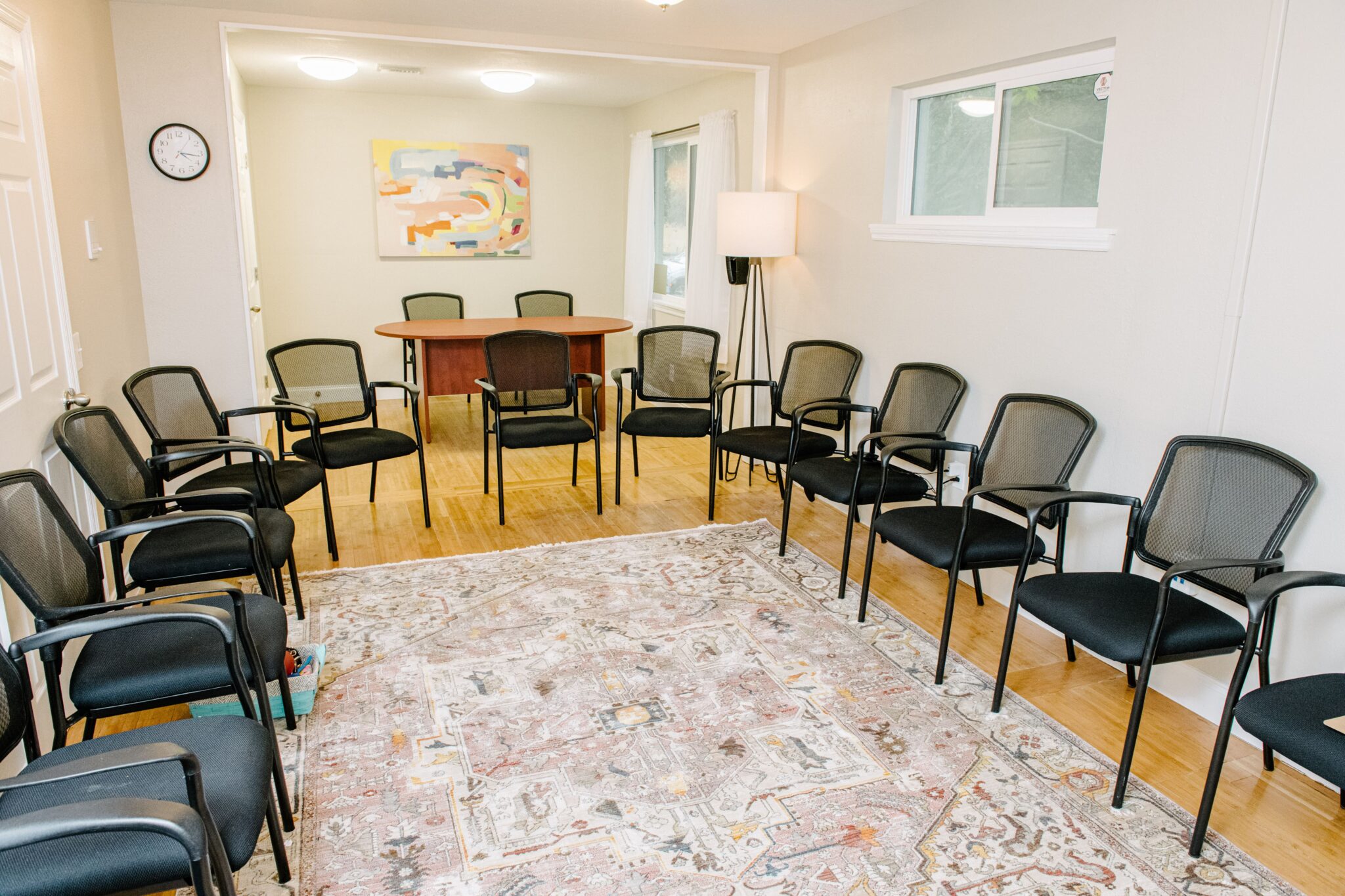
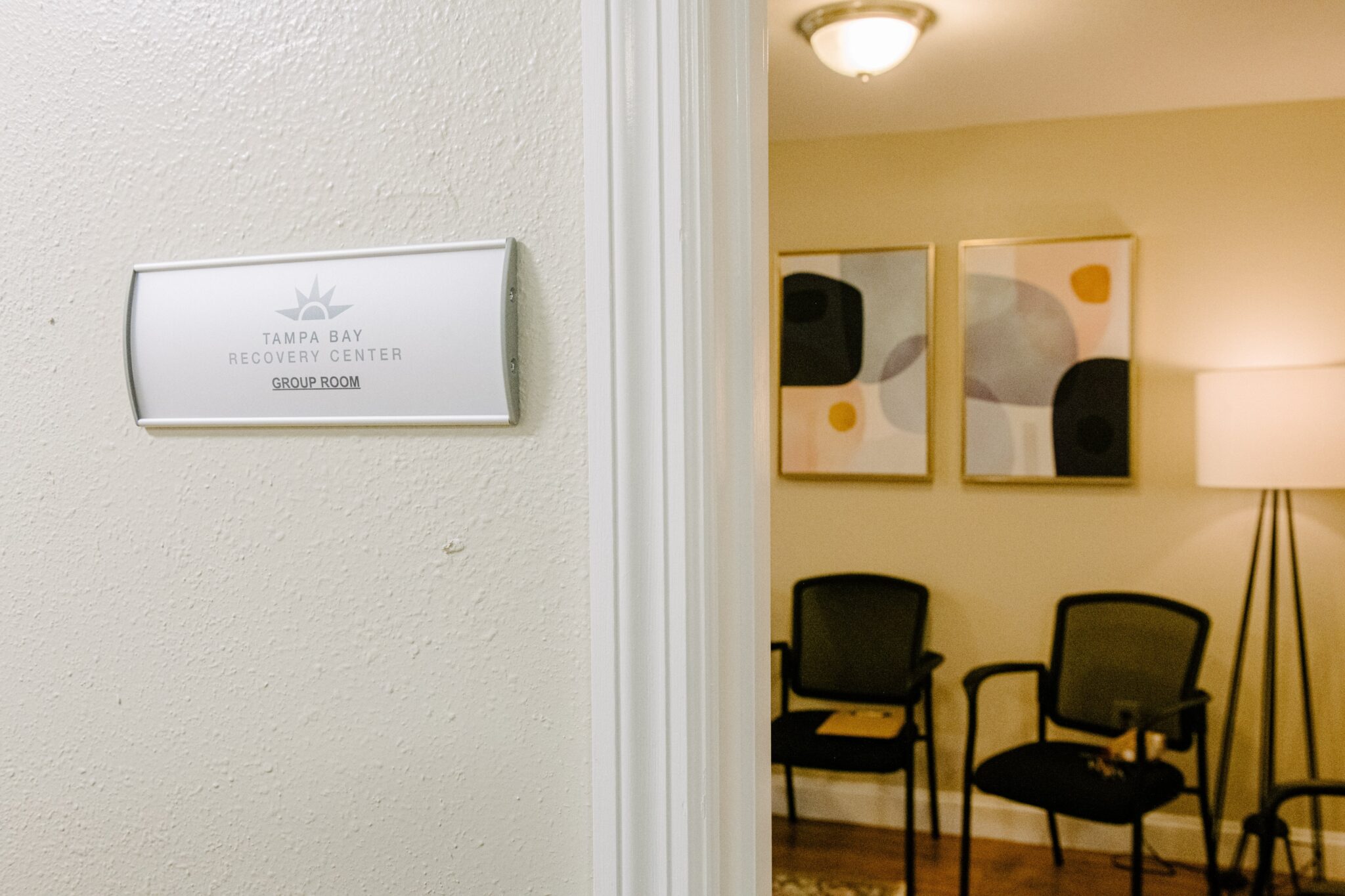
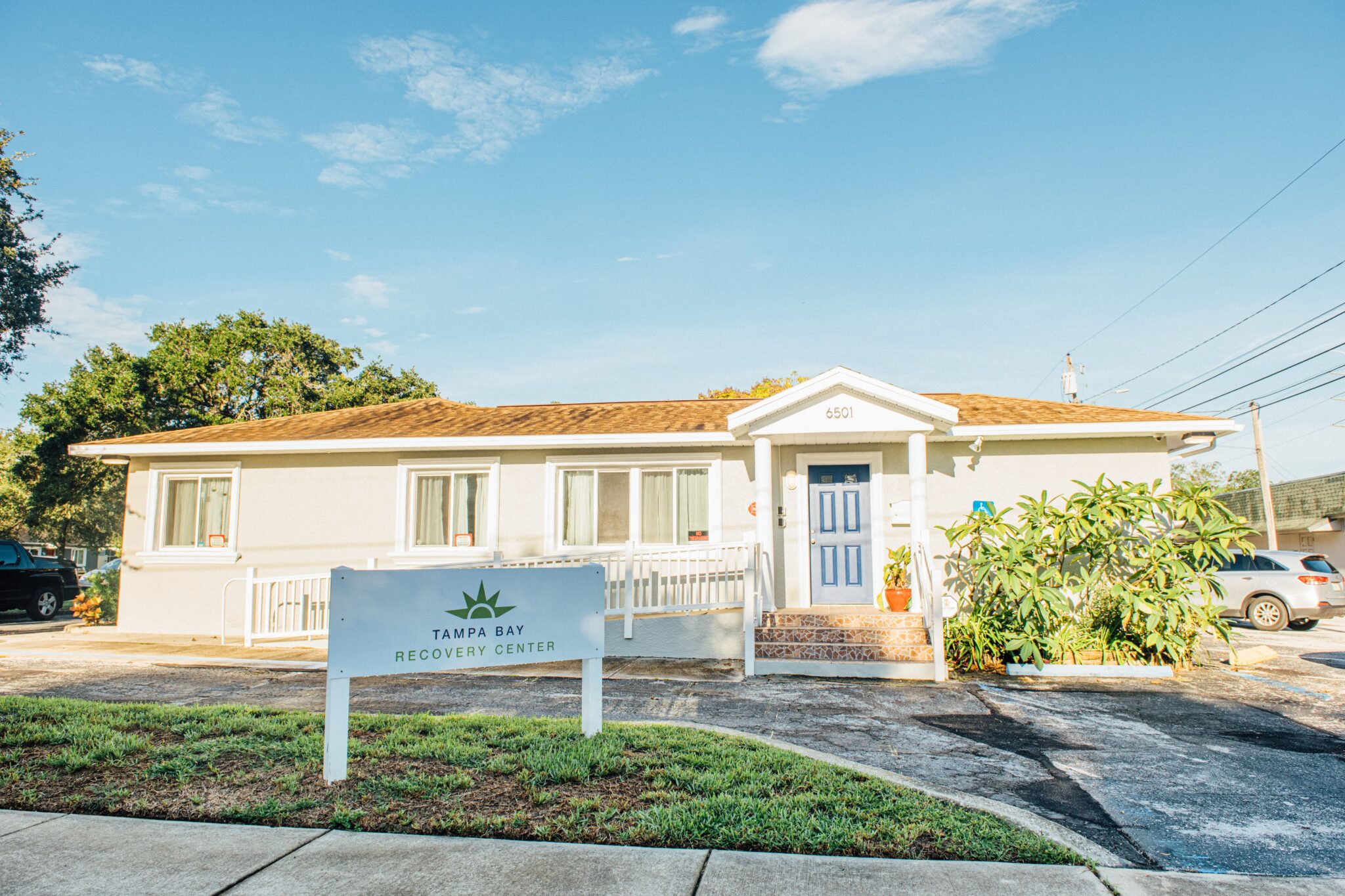
Tour Our Outpatient Rehab in Tampa Bay
Is Outpatient Rehab Right for You?
Outpatient rehab is not the right fit for everyone — but for the right individual, it provides the clinical structure and peer support needed to make lasting recovery sustainable alongside daily life.
Outpatient rehab at Tampa Bay Recovery Center is generally a strong fit for individuals who:
- Have completed PHP or IOP and are ready to step down to a less intensive level of care
- Are in the early-to-mid stages of recovery and still benefit from regular clinical contact but no longer require daily programming
- Have a stable, substance-free living environment — either at home, with family, or in sober living
- Are managing work, school, or caregiving responsibilities that require a flexible treatment schedule
- Are dealing with a mild to moderate substance use disorder and have a strong enough support system to begin treatment at the outpatient level
- Need continued psychiatric care, medication management, or MAT alongside their therapeutic work
If you are unsure whether outpatient is the right level of care for your situation, our admissions team can conduct a clinical assessment and help you understand your options. Call 813-733-8774 anytime — we’re available 24 hours a day.
How Long Does Outpatient Rehab in Tampa Last?
How long does outpatient rehab last? The amount of time that a person remains in outpatient rehab depends on their progress, continued needs, and treatment goals.
We work with every person to help them identify what they want to get out of treatment, then we develop the plan that will empower them to achieve their objectives. Length of stay is one of the many elements of our treatment plans that can be customized according to each person’s specific needs.
Conditions We Treat at Our Outpatient Program
Tampa Bay Recovery Center’s outpatient program treats both substance use disorders and co-occurring mental health conditions, including:
Alcohol Use Disorder — Outpatient rehab is appropriate for individuals in sustained early recovery from alcohol dependence who need continued therapeutic support and, in some cases, ongoing MAT with Naltrexone or Vivitrol.
Learn more about alcohol rehab at TBRC.
Opioid Use Disorder — For individuals who have completed higher levels of care for opioid addiction, outpatient provides continued clinical accountability alongside MAT options including Sublocade and Vivitrol.
Learn more about opioid rehab in Tampa.
Dual Diagnosis — Many clients at the outpatient level are managing both a substance use disorder and a co-occurring condition such as depression, anxiety, PTSD, or bipolar disorder. Our integrated approach treats both conditions simultaneously rather than sequentially.
Learn more about dual diagnosis treatment.
Anxiety and Depression — Outpatient therapy incorporating CBT and DBT is well-suited for individuals managing anxiety or depression alongside recovery, particularly when symptoms are stable but still benefit from regular clinical support.
Anxiety treatment and depression treatment are both available at TBRC.
PTSD and Trauma — Trauma work often deepens at the outpatient level, when clients have the stability to engage more fully in trauma-focused therapies like EMDR and Brainspotting.
Learn more about trauma therapy at TBRC.
Prescription Drug Dependence — Individuals in recovery from benzodiazepines, stimulants, or other prescription medications often benefit from continued outpatient therapy as they rebuild life skills and manage cravings in real-world settings.
Learn more about prescription drug rehab and benzo addiction treatment.
Does Insurance Cover Outpatient Rehab in Florida?
Yes — most major insurance plans cover outpatient addiction treatment as a medically necessary service. Under the Mental Health Parity and Addiction Equity Act (MHPAEA) and the Affordable Care Act (ACA), insurers are required to cover substance use disorder treatment — including outpatient rehab — on comparable terms to other medical care.
Tampa Bay Recovery Center is in-network with the following major carriers:
The specifics of your coverage — including copays, deductibles, and session limits — depend on your individual plan.
Our admissions team can contact your insurance provider directly to verify your benefits and explain your out-of-pocket costs before you make any decisions. Verify your insurance online or call us at 813-733-8774 — there is no obligation to enter treatment, and the verification process is free and confidential.
Where Does Outpatient Fit in the Recovery Journey?
Outpatient rehab is typically the final structured level of clinical care before a client transitions to peer support, alumni programming, and independent recovery. Understanding where it fits in the continuum helps clients and families plan for what comes before and after.
Before outpatient:
Most clients arrive at outpatient rehab after completing IOP, having already worked through the more intensive early phases of recovery in PHP and possibly medical detox. Some individuals with a mild to moderate SUD and strong support systems begin at the outpatient level directly — your clinical assessment will determine the right entry point.
During outpatient:
Clients attend individual therapy, group sessions, and any applicable psychiatric or medication management appointments on a consistent weekly schedule. The focus shifts from crisis stabilization and skill-building toward integration — applying what’s been learned in treatment to real relationships, real work environments, and real daily stressors.
After outpatient:
When formal outpatient treatment concludes, the goal is a sustainable independent recovery supported by peer community, alumni resources, and continuing care connections. Before your final outpatient session, your clinical team will help you build a plan that includes:
- Local recovery support groups and 12-step or alternative peer programs
- Alumni programming through Tampa Bay Recovery Center
- Sober living if ongoing structured housing support is beneficial
- Ongoing individual therapy with an outside provider if continued clinical support is indicated
Recovery doesn’t end when treatment does — and we work to make sure every client leaves outpatient with a clear plan for what comes next.
Begin Outpatient Rehab in Tampa Today!
Tampa Bay Recovery Center is a premier addiction treatment provider in Florida. If you or a loved one is struggling with addiction or mental health, our dual diagnosis treatment centers in Tampa can get you back on track. Verify your insurance now or give us a call at 813-733-8774.

Jeffrey Cohen, M.ED, RMHCI
Clinically Reviewed
Jeff Cohen is a Primary Therapist at Tampa Bay Recovery Center, where he works with individuals experiencing substance use disorders, co-occurring disorders, and primary mental health conditions.
Take Back Control:
Verify Insurance
Addiction and mental health disorder effects the lives of millions of Americans each year. Contact Tampa Bay Recovery Center today to get the help you deserve.
What is the difference between outpatient rehab and IOP?
IOP (Intensive Outpatient Program) involves multiple sessions per week totaling nine or more hours of structured programming — group therapy, individual therapy, psychiatric support, and skills-based treatment. Standard outpatient rehab is less intensive, typically involving one to two individual therapy sessions per week along with any applicable group or medication management appointments. IOP is designed for individuals still in the intensive phase of early recovery. Outpatient is designed for individuals who have built clinical stability and are transitioning toward independent recovery.
How many sessions per week does outpatient rehab involve?
Standard outpatient therapy at Tampa Bay Recovery Center typically involves one to two sessions per week, with additional appointments for psychiatric care or medication management as needed. The exact schedule is determined by your clinical team based on your treatment needs and progress.
Can I work full-time while in outpatient rehab?
Yes — outpatient rehab is specifically designed to be compatible with full-time employment, school, and family responsibilities. Sessions are scheduled around your availability, and the reduced time commitment compared to PHP and IOP makes it possible for most clients to maintain their regular schedule without significant disruption.
Does insurance cover outpatient rehab in Florida?
Yes — most major insurance plans cover outpatient addiction and mental health treatment. Tampa Bay Recovery Center is in-network with Aetna, Blue Cross Blue Shield, Cigna, and United Healthcare. Verify your insurance online or call 813-733-8774 to confirm your specific coverage before starting.
Do I need to have completed PHP or IOP before starting outpatient?
Not necessarily. While many clients enter outpatient after completing a higher level of care, some individuals with mild to moderate substance use disorders and strong support systems begin treatment at the outpatient level. Our admissions team will conduct a clinical assessment to help determine the right starting point for your situation.
What if my symptoms worsen during outpatient?
If your clinical needs increase during outpatient — due to a relapse, a mental health crisis, or other factors — our team can facilitate a step-up to IOP or PHP without you having to transfer to a new facility. Having access to a full continuum of care within the same treatment center means transitions are coordinated and your clinical history stays intact.
How long does outpatient rehab last?
The duration varies depending on individual progress and clinical needs. Some clients complete outpatient in 60 to 90 days. Others benefit from ongoing outpatient therapy for six months or longer, particularly when managing a co-occurring mental health condition alongside recovery. Your clinical team will review your progress regularly and adjust the timeline as needed.
How do I get started?
Call our admissions team at 813-733-8774 — available 24 hours a day, seven days a week — or verify your insurance online. We’ll conduct a clinical assessment, explain your coverage, and help you determine the right level of care. All calls are confidential and there is no obligation to enter treatment.
Call 813-733-8774
Insurance Can Cover Up to 100% of costs
We Accept Most Insurance. Please Note We Are Not Affiliated With Or Endorsed By Insurance Companies.
CONTACT US
We Are Always Here For You
Our compassionate team is ready to assist you—contact us now for confidential support tailored to your needs!