What is the DSM-5, and what role does it play in the diagnosis and treatment of mental health disorders?
What Is the DSM-5?
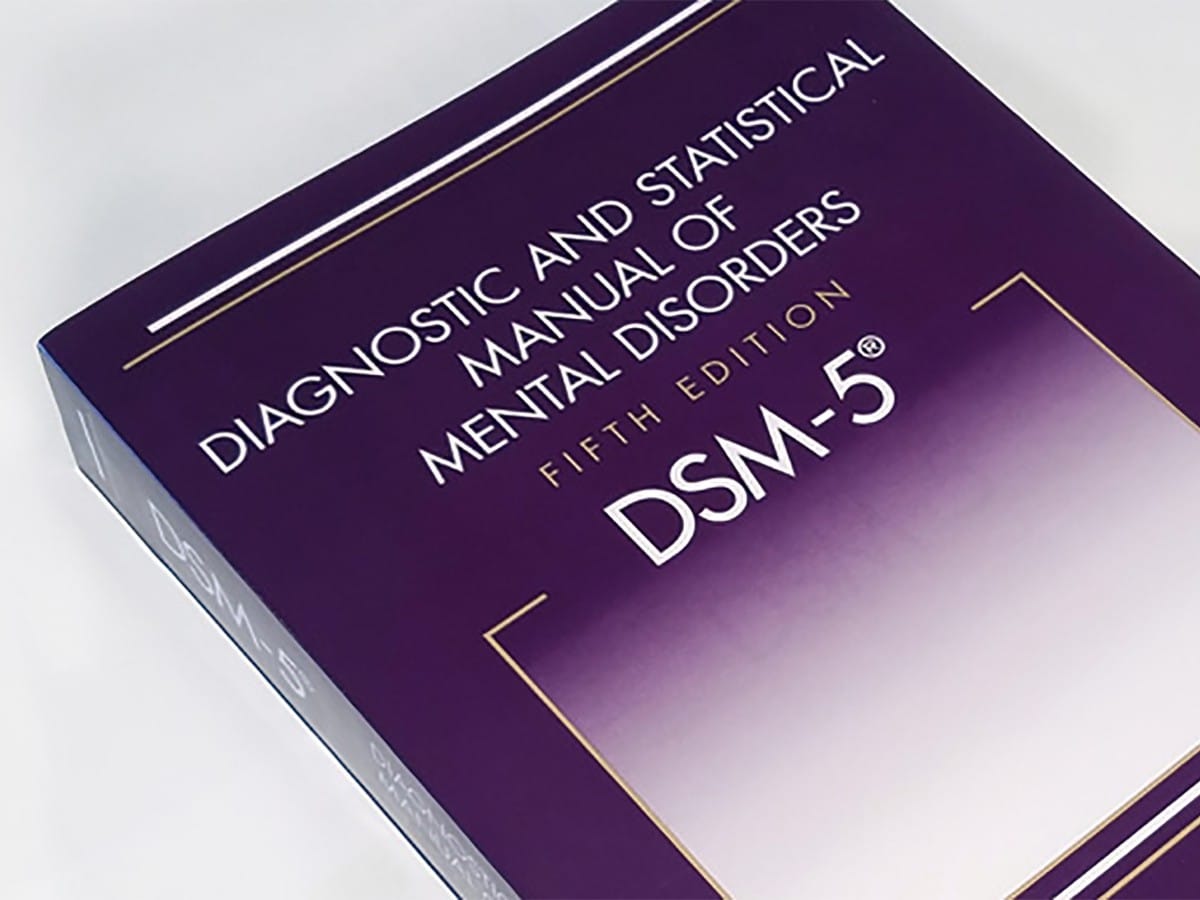
The DSM-5 is the term people typically use when referring to the fifth edition of the Diagnostic and Statistical Manual of Mental Disorders.
Published by the American Psychiatric Association (APA), the DSM-5 contains diagnostic criteria and a host of additional information about hundreds of mental health conditions. Sometimes referred to as “the bible of psychiatry,” it is the standard reference book for clinicians in the U.S., and is also used by professionals in other nations.
The DSM-5 is often compared to the International Classification of Diseases (ICD), which is published by the World Health Organization (WHO). The books share several characteristics, but the ICD is much larger in scope and includes medical conditions as well as mental illnesses, while the DSM-5 focuses solely on mental and behavioral health.
When Was the DSM-5 First Published?
The DSM-5 was published in 2013. However, as indicated by the “5” in the title, it is not the first edition of this reference book.
Here’s a quick rundown of publication years for all versions of the DSM:
- DSM: 1952
- DSM II: 1968
- DSM III: 1974
- DSM III-R: 1978
- DSM IV: 1980
- DSM-5: 2013
- DSM-5-TR: 2022
The second, third, fourth, and fifth editions were the result of a comprehensive reassessment of the previous book, and reflect advances from various disciplines that occurred in the intervening years. The updates in the DSM-III-R and DSM-5-TR are more limited in scope.
The APA also published a special supplement to the first DSM in 1965. That publication included details on the APA’s plans to bring the DSM into closer alignment with the ICD.
Why Is the DSM-5 Important?
The DSM-5 is an important publication for several reasons. Perhaps the most important is that it establishes common language, definitions, and diagnostic criteria for clinicians, researchers, treatment professionals, and other experts.
This doesn’t mean that every mental health expert agrees with every entry in the DSM-5. But by having shared, standardized terminology and criteria, experts can “speak the same language” when challenging information in the current books or advocating for changes in future revisions.
Also, though the DSM-5 is primarily used by professionals, the APA has placed no limitations on who can acquire and read the book. This means that non-professionals have access to some of the same information that diagnosticians and other experts use, which can help patients and loved ones gain a greater understanding of the conditions they are dealing with.
However, please note that this doesn’t mean that you can diagnose yourself of anyone else based on information you found in the DSM-5. Diagnoses can only be made by trained professionals, following a thorough evaluation of the patient. Receiving an accurate diagnosis from a recognized expert can be a vital step on your path toward effective treatment and improved health.
What Disorders Are in the DSM-5?
The DSM-5 contains information about 297 mental health disorders, organized into the 20 categories listed below. Though we’ve listed several examples of disorders from each category, this is not a full account of every condition described in the book.
Neurodevelopmental Disorders
- Intellectual disability (Intellectual developmental disorder)
- Language disorder
- Autism spectrum disorder (ASD)
- Attention-deficit/hyperactivity disorder (ADHD)
- Specific learning disorder
- Tourette’s disorder
Schizophrenia Spectrum and Other Psychotic Disorders
- Delusional disorder
- Brief psychotic disorder
- Schizophreniform disorder
- Schizophrenia
- Schizoaffective disorder
- Substance/medication-induced psychotic disorder
Bipolar and Related Disorders
- Bipolar I disorder
- Bipolar II disorder
- Cyclothymic disorder
Depressive Disorders
- Disruptive Mood dysregulation disorder (DMDD)
- Major depressive disorder (MDD)
- Persistent depressive disorder (dysthymia)
- Premenstrual depressive disorder
Anxiety Disorders
- Agoraphobia
- Generalized anxiety disorder (GAD)
- Panic disorder
- Selective mutism
- Separation anxiety disorder
- Social anxiety disorder (Social phobia)
- Specific phobia
- Anxiety Disorder Due to Another Medical Condition
- Unspecified Anxiety Disorder
Obsessive-Compulsive and Related Disorders
- Obsessive-compulsive disorder (OCD)
- Body dysmorphic disorder
- Hoarding disorder
- Trichotillomania (compulsive hair-pulling)
- Excoriation disorder (compulsive skin-picking)
Trauma- and Stressor-Related Disorders
- Acute stress disorder
- Adjustment disorders
- Disinhibited social engagement disorder
- Posttraumatic stress disorder (PTSD)
- Reactive attachment disorder
Dissociative Disorders
- Dissociative identity disorder (DID)
- Dissociative amnesia
- Depersonalization/derealization disorder
Somatic Symptom and Related Disorders
- Somatic symptom disorder
- Illness anxiety disorder
- Conversion disorder (Functional neurological symptom disorder)
- Factitious disorder
- Psychological factors affecting other medical conditions
Feeding and Eating Disorders
- Anorexia nervosa
- Bulimia nervosa
- Binge-eating disorder
- Avoidant/restrictive food intake disorder (ARFID)
- Pica
- Rumination disorder
Elimination Disorders
- Enuresis
- Encopresis
Sleep-Wake Disorders
- Insomnia disorder
- Hypersomnolence disorder
- Narcolepsy
- Sleepwalking
- Sleep terrors
- Nightmare disorder
- Obstructive sleep apnea hypopnea
- Central sleep apnea
- Rapid eye movement sleep behavior disorder
Sexual Dysfunctions
- Erectile disorder
- Premature (early) ejaculation
- Delayed ejaculation
- Female orgasmic disorder
- Female sexual interest/arousal disorder
- Genito-pelvic pain/penetration disorder
- Male hypoactive sexual desire disorder
Gender Dysphoria
- Gender dysphoria
- Other specified gender dysphoria
- Unspecified gender dysphoria
Disruptive, Impulse-Control, and Conduct Disorders
- Oppositional defiant disorder (ODD)
- Intermittent explosive disorder (IED)
- Conduct disorder
- Pyromania
- Kleptomania
Substance-Related and Addictive Disorders
- Alcohol use disorder
- Cannabis (marijuana) use disorder
- Hallucinogen-related disorders
- Inhalant use disorders
- Opioid use disorder
- Sedative, hypnotic, or anxiolytic use disorder
- Stimulant use disorder
- Tobacco use disorder
- Gambling disorder
Neurocognitive Disorders
- Delirium
- Major or mild neurocognitive disorder due to Alzheimer’s disease
- Major or mild neurocognitive disorder due to traumatic brain
- Major or mild neurocognitive disorder due to Parkinson’s disease
Personality Disorders
- Paranoid personality disorder
- Antisocial personality disorder
- Borderline personality disorder
- Histrionic personality disorder
- Narcissistic personality disorder
Paraphilic Disorders
- Voyeuristic disorder
- Exhibitionistic disorder
- Sexual Masochism disorder
- Sexual sadism disorder
- Pedophilic disorder
Other Disorders
- Other Specified Mental Disorder Due to Another Medical Condition
- Unspecified Mental Disorder Due to Another Medical Condition
- Other Specified Mental Disorder
- Unspecified Mental Disorder
Does the DSM-5 Include Every Mental Health Disorder?
The DSM-5 is an authoritative resource, but it does not contain information about every known mental health condition.
One of the final sections of the DSM-5, which is titled “Conditions for Further Study,” includes information on seven disorders that may be included in future editions depending on the results of continued research:
- Attenuated psychosis syndrome
- Depressive episodes with short-duration hypomania
- Persistent complex bereavement disorder
- Neurobehavioral disorder associated with prenatal alcohol exposure
- Suicidal behavior disorder
- Caffeine use disorder
- Internet gaming disorder
Learn More About Mental Health Treatment Tampa Bay
If you have been struggling with your mental health, Tampa Bay Recovery Center is here to help.
Our treatment center in Tampa Bay, FL, offers personalized outpatient care for adults who have developed addictions and co-occurring mental health concerns. Treatment options include on-site detox, a partial hospitalization program (PHP), and an intensive outpatient program (IOP).
To learn more about how we can help you or a loved one, or to schedule a free assessment, please visit our Admissions page or call us today.