Kratom is a controversial substance that is banned in some cities and states, but sold legally in other parts of the U.S. What’s the status of kratom in Florida? Are there any statewide restrictions on who can purchase and use it? And is it really as dangerous as some people claim?
At Tampa Bay Recovery Center, you can learn to manage the urges and other symptoms of kratom addiction, so that you can start living a healthier life in recovery.
Learn more about treatment for kratom addiction in Tampa Bay, FL, or verify your insurance today.
What Is Kratom?
Kratom is a psychoactive substance that is derived from Mitragyna speciosa, which is a tropical evergreen tree that is native to Southeast Asia. To understand why kratom in Florida is controversial, it can help to review a bit about its history and effects.
History
In areas where the Mitragyna speciosa tree naturally grows, people have been using kratom for hundreds of years for both medical and recreational purposes.
Laborers have traditionally chewed the leaves of the plant to stave off fatigue, while others have used it in various forms to improve their mood, ease pain, alleviate cough, and address a range of other concerns.
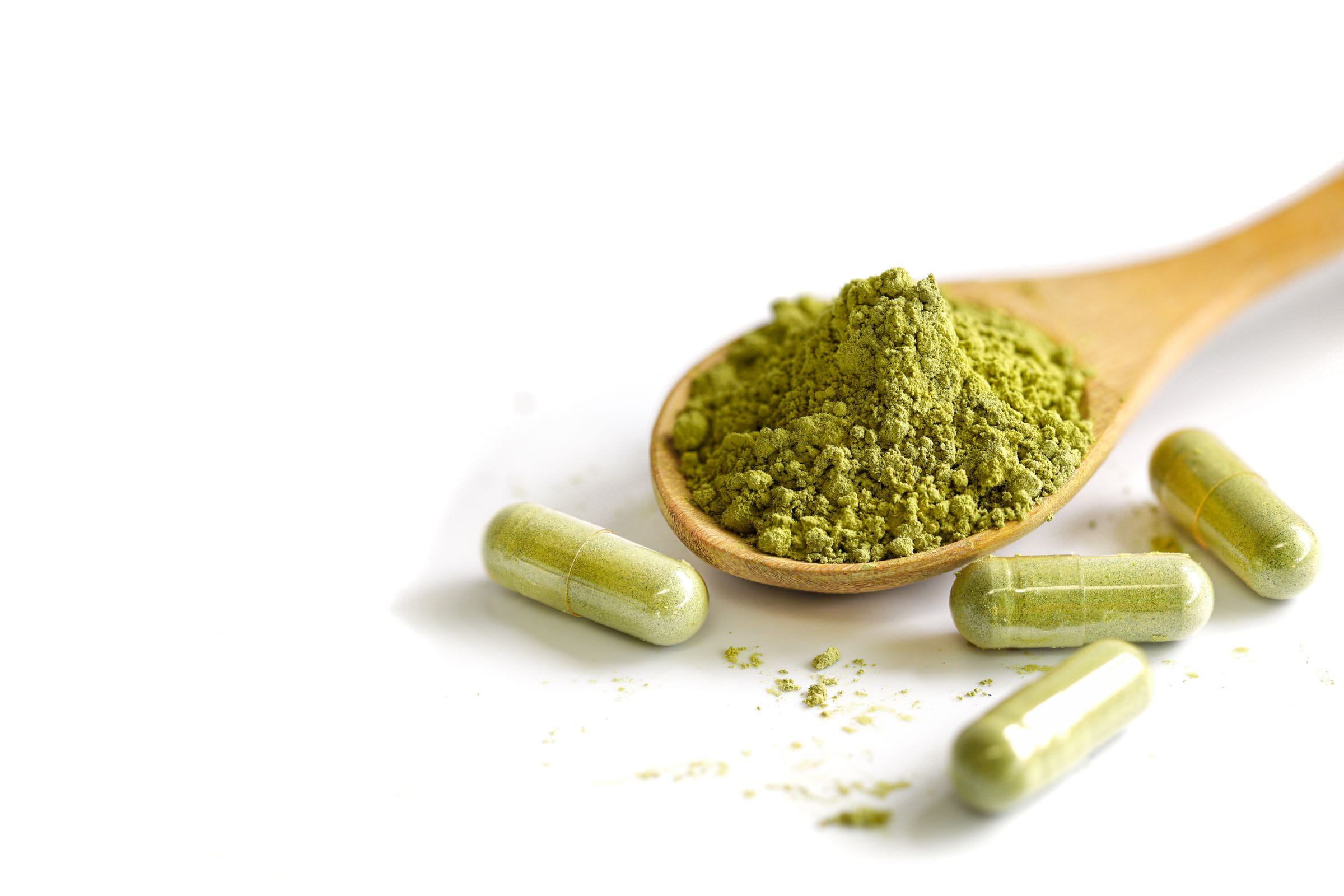
Kratom began to appear in the U.S. in the early 2000s. It is often marketed as an herbal remedy or dietary supplement, and may be sold in powder, capsule, or liquid form.
According to the Substance Abuse and Mental Health Services Administration (SAMHSA), about 1.85 million people in the U.S. used kratom in 2024.
Effects
The effects that people experience when they use kratom are primarily due to two naturally occurring alkaloids, mitragynine and 7-hydroxymitragynine (7-OH).
Low doses of kratom usually cause stimulant-like effects such as:
- Energy boost
- Enhanced alertness
- Diminished inhibitions
- Increased talkativeness
- Elevated heart rate and blood pressure
At higher doses, kratom typically causes opioid-like effects such as:
- Improved mood
- Drowsiness and sedation
- Alleviation of muscle tension
- Reduction in pain
- Easing of anxiety
Modern-day proponents of kratom claim that the substance can ease anxiety and depression and reduce the pain of opioid withdrawal. Opponents, including many renowned public health experts and organizations, have cast doubt upon these types of claims.
Dangers
The U.S. Food and Drug Administration (FDA) issued its first public health warning about kratom use in 2017.
That warning noted that kratom-related calls to poison control centers had increased tenfold between 2010 and 2015. The FDA also reported that the substance had played a role in at least 36 deaths.
Potential dangers of using kratom:
- Nausea and vomiting
- High blood pressure
- Hallucinations and delusions
- Breathing difficulties
- Seizure
- Liver damage
- Addiction and withdrawal
- Overdose
In December 2023, the Tampa Bay Times reported that kratom had been involved in more than 580 overdoses in Florida in the previous 10 years.
Is It Legal to Use Kratom in Florida?
Given the many dangers associated with the substance, it’s understandable to wonder about the legal status of kratom in Florida.
A January 2026 report from the Legislative Analysis and Public Policy Association noted that six states have banned all products that contain kratom. Florida is not one of those six, but there are restrictions on who can use the substance in this state.
The legality of using kratom in Florida can depend on your age, which part of Florida you’re in, and what product you are using.
Kratom
The legality of using kratom in Florida can depend on your age and which part of the state you’re in:
- Florida: The state of Florida limits the sale and use of kratom products to adults ages 21 and above. Anyone who sells or gives kratom to a person under the age of 21 can be convicted of a second-degree misdemeanor.
- Sarasota County: Kratom has been completely banned in Sarasota County since 2014. Other counties have considered similar bans, but none have yet been enacted.
7-OH
On June 22, Florida Attorney General James Uthmeier announced that 7-hydroxymitragynine (7-OH) and certain similar substances had been classified as Schedule I controlled substances.
What is 7-OH?
- 7-OH is one of two primary psychoactive ingredients in kratom.
- It naturally appears only in trace amounts, and has less of an effect that mitragynine does.
- In recent years, products containing synthetic or concentrated versions of 7-OH have become popular.
- These products are far more powerful than natural kratom, and they pose an even greater risk of harm.
Placing 7-OH in Schedule I means that it is now illegal to sell, possess, or use any products containing the substance in the state of Florida.
Shortly after the Florida announcement, the U.S. Drug Enforcement Agency (DEA) announced that 7-OH would be temporarily classified as a Schedule I controlled substance on the national level. Once this move goes into effect, 7-OH will be outlawed throughout the United States for at least two years.
Is Kratom Addictive?
Contrary to what you may have heard or read elsewhere, you can get addicted to kratom. The risk of addiction increases considerably if you are using products that contain synthetic or concentrated 7-OH.
Warning signs of kratom addiction include:
- Frequently using more kratom than you intended
- Continuing to use kratom after having medical, psychological, or personal problems that were caused or worsened by your prior use of the substance
- Failing to fulfill your responsibilities at home, in school, or at work because of your kratom use
- Reducing or ending your participation in important activities because of your kratom use
- Using kratom in circumstances that pose a clear physical hazard, such as combining it with other drugs or driving while under its influence
- Developing tolerance, which means you need to use more kratom than you used to in order to experience the drug’s effect
- Developing unpleasant physical and/or psychological symptoms when you try to curtail your kratom use
If you suspect that your kratom use has crossed the line from a choice to a compulsion, a good first step would be to schedule an assessment with a qualified professional. The person who conducts your evaluation can help you understand the scope of the challenge you’re facing and recommend appropriate treatment options.
Find Treatment for Kratom Addiction in Tampa Bay
Tampa Bay Recovery Center offers personalized outpatient care for adults whose lives have been disrupted by addictions to kratom and other substances. We also offer dual diagnosis services for clients with anxiety, depression, and other co-occurring mental health concerns.
Treatment options at our kratom rehab in St. Petersburg, FL, include a partial hospitalization program (PHP), an intensive outpatient program (IOP), and virtual (online) services.
Untreated addictions and mental illnesses can be devastating. But with our help and a concerted effort on your part, you can achieve successful, long-term recovery from kratom addiction.
To learn more call 813-733-7604 or verify your insurance now.