
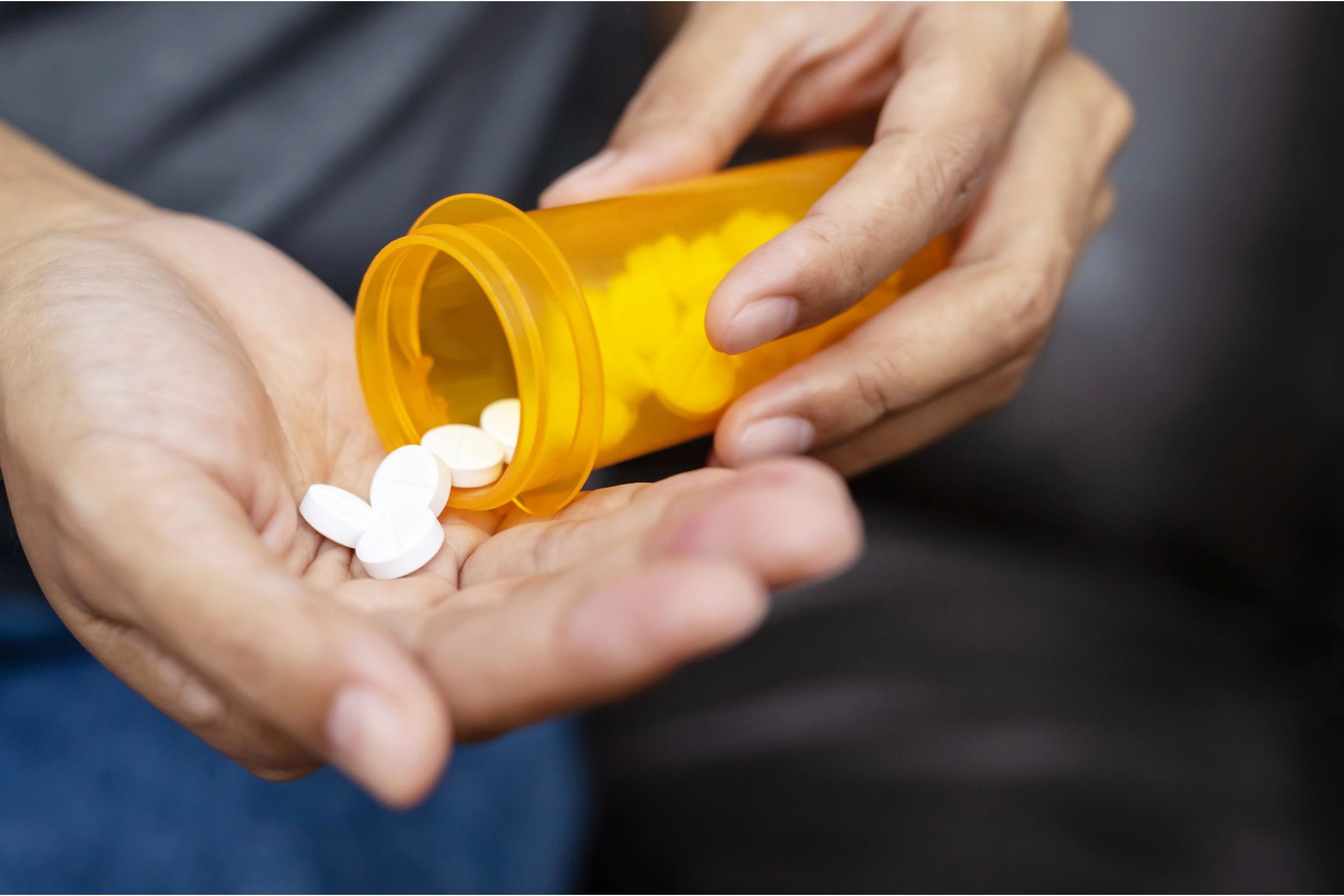
The differences between Roxicodone vs. oxycodone are minimal, and they aren’t related to how well the drugs work. But before you take either of these prescription painkillers, it’s important to understand their potential for serious adverse effects, including risk of addiction and overdose.
Tampa Bay Recovery Center is a trusted source of personalized outpatient programming for adults who have become dependent on Roxicodone, oxycodone, and other opioids.
Learn more about opioid rehab in Tampa Bay, FL, or verify your insurance today.
What Are Roxicodone & Oxycodone?
Roxicodone and oxycodone are two names for a prescription medication that is typically used to treat moderate to severe pain. Roxicodone is the brand name of the drug and oxycodone is its generic version.
In addition to being available as a generic or in Roxicodone, oxycodone is also an ingredient in other brand name meds including OxyContin, Percocet, Percodan, Roxybond, and Xtampza.
Roxicodone vs. Oxycodone: Similarities and Differences
If the terms are just two ways of referring to the same drug, that means that there aren’t any differences between Roxicodone vs. oxycodone, right?
Not exactly.
History
Oxycodone is a semi-synthetic opioid. That means it is a lab-created drug that is derived from a naturally occurring part of the opioid poppy plant. In oxycodone’s case, the natural base is an alkaloid called thebaine.
As described in a May 2005 article in the Journal of Pain and Symptom Management, oxycodone was first synthesized in Germany in 1916. The Science History Institute has reported that the two chemists who created the drug originally called it hydroxycodeinone, or oxycodeinone for short.
German doctors began to give oxycodone to patients the year after it was developed. Physicians in the United States did not start using the drug until 1939.
Roxicodone’s history is not quite as lengthy.
Its manufacturer, Roxane Laboratories, first submitted Roxicodone to the U.S. Food and Drug Administration (FDA) for approval in September 1998. The FDA granted approval in a letter dated August 31, 2000.
Methods of Administration
Oxycodone can be administered in several ways, including by mouth as a tablet, capsule, or oral solution (liquid) and via injection or infusion. Oxycodone tablets include 5mg, 10mg, 15mg, 20mg, and 30mg options.
Depending on whether it is used as a generic or as an ingredient in a brand name medication, oxycodone may be available in immediate release (IR) and sustained release (SR) form.
Roxicodone is sold in three IR tablet sizes: 5mg, 15mg, and 30mg.
Side Effects
Common side effects of both Roxicodone and oxycodone include:
- Dizziness
- Drowsiness
- Headache
- Abdominal pain
- Nausea
- Vomiting
- Itchiness
- Weakness
- Constipation
Less common but potentially more severe side effects of both medications include:
- Abnormal heart rate
- Heart failure
- Anemia
- Edema
- Elevated blood glucose
- Nosebleed
- Shortness of breath
Roxicodone vs. Oxycodone: Addiction & Overdose
Two of the most serious risks associated with both Roxicodone and oxycodone are addiction and overdose.
Addiction
The risk of addiction posed by these two drugs has caused them to be classified as Schedule II controlled substances in the U.S.
Signs that someone has developed an addiction to Roxicodone or Oxycodone include:
- Having powerful cravings for either of the medications
- Often using Roxicodone or oxycodone in greater amounts or for a longer period of time than originally intended
- Spending a great deal of time using Roxicodone or oxycodone and recovering from their effects
- Exaggerating or lying about symptoms in order to get additional prescriptions for Roxicodone or oxycodone
- Failing to pay bills, keep appointments, or meet other personal, academic, or work-related responsibilities as a result of using either substance
- Continuing to use Roxicodone or oxycodone even after developing a physical or mental health problem that was either caused or worsened by prior use of the substances
- Continuing to use either substance even after having personal or social problems, such as being arrested or losing a relationship, that were either caused or worsened by prior use
- Using Roxicodone or oxycodone in circumstances that are especially hazardous, such as while drinking or taking other substances, or driving while under their influence
- Withdrawing from friends and family and/or ending their participation in important activities due to their use of either substance
- Developing tolerance, or needing to use larger doses of Roxicodone or oxycodone to experience the drugs’ effects
- Developing opioid withdrawal symptoms when they try to curtail their use of Roxicodone or oxycodone
Overdose
The U.S. has been in the midst of an overdose epidemic throughout the current century. Though fentanyl has typically been featured in recent media reports about the crisis, prescription painkillers such as Roxicodone and oxycodone continue to pose a grave danger when used inappropriately.
Symptoms of an overdose involving Roxicodone or oxycodone include:
- Extreme confusion or disorientation
- Loss of muscle control
- Constricted (pinpoint) pupils
- Loss of consciousness and inability to be awakened
- Faint heartbeat or pulse
- Slow, shallow, or otherwise irregular breathing
- Making a snoring or gurgling sound
- Skin that is cool or clammy to the touch
- Bluish, grayish, or purplish coloration near lips and fingertips
If you are with someone who overdoses on Roxicodone, Oxycodone, or another opioid, your actions can make a literal life-or-death difference.
Tips for responding to an opioid overdose:
- Summon help immediately: Call 911 and stay with the person until help arrives. When the first responders arrive, tell them as much as you can about how much Roxicodone or oxycodone the person took, when they took it, and if they had also been using other drugs.
- Use Narcan: If you have Narcan, administer the medication either right before or right after you call 911. However, even if the individual is revived with Narcan and appear to be OK, they still need to be examined by an EMT or other professional. Narcan can reverse an opioid overdose, but its effects usually wear off within 30-60 minutes. Depending on how much Roxicodone or oxycodone is in a person’s system, they may still be in danger when the Narcan wears off.
- Use the recovery position: If the person cannot be awakened or revived, place them on their side, with their bottom arm extended and their top hand under their head. Also, bend their top knee slightly. This is known as the recovery position, and is designed to prevent a person from choking if they vomit while unconscious.
Find Outpatient Treatment for Roxicodone or Oxycodone Addiction in Tampa Bay
Tampa Bay Recovery Centers offers life-affirming outpatient care for adults who have developed addictions to Roxicodone, oxycodone, other opioids, and other addictive drugs. We also offer dual diagnosis services for clients co-occurring mental health concerns.
Treatment options at our outpatient rehab in St. Petersburg, FL, include a partial hospitalization program (PHP), an intensive outpatient program (IOP), and virtual treatment.
To learn more call 813-733-8774 or verify your insurance now.