Home Mental Health Anxiety Treatment in St. Petersburg
At Tampa Bay Recovery Center, panic disorder treatment in Tampa Bay begins with understanding those experiences and how they affect your life. Our St. Petersburg team offers mental health assessment and structured outpatient care.
Call 813-733-5686 to discuss your symptoms and ask about treatment options for anxiety disorders in Tampa Bay.
Understanding Panic Disorder
A panic attack is a sudden surge of intense fear or discomfort, often accompanied by frightening physical sensations. Panic disorder involves recurrent, unexpected attacks followed by persistent concern about another attack or changes in behavior. Clinicians consider whether that worry or behavioral change has lasted at least a month.
Panic attacks can also occur with other conditions, so diagnosis requires a broader assessment. Your provider considers medical causes and the effects of substances or medications alongside your mental health history.
What Can a Panic Attack Feel Like?
Symptoms can build quickly and feel overwhelming.
During an attack, you may experience several of the following:
- A Racing Heart: Your heartbeat may feel unusually fast or forceful.
- Breathing Changes: You may feel short of breath or have a choking sensation.
- Dizziness: You may feel lightheaded or unsteady.
- Shaking and Sweating: Your body may tremble, and you may feel chilled or overheated.
- Numbness or Tingling: Unusual sensations may affect your hands or other areas.
- Intense Fear: You may feel detached from your surroundings or fear that you are dying.
New or severe chest pain, fainting, or significant breathing difficulty needs urgent medical evaluation. Call 911 for emergency symptoms, including symptoms that differ from attacks a clinician has previously assessed.
How Fear of Panic Can Affect Daily Life
The time between attacks can become difficult too. You may check your pulse repeatedly or feel anxious whenever your breathing changes. Some people begin avoiding situations where leaving quickly could be difficult.
Across Tampa Bay, that might mean struggling with a bridge commute or leaving a crowded store before finishing your shopping. Treatment can address both the attacks and the fear that starts limiting your choices. Tell your team which activities you most want to return to.
TOUR
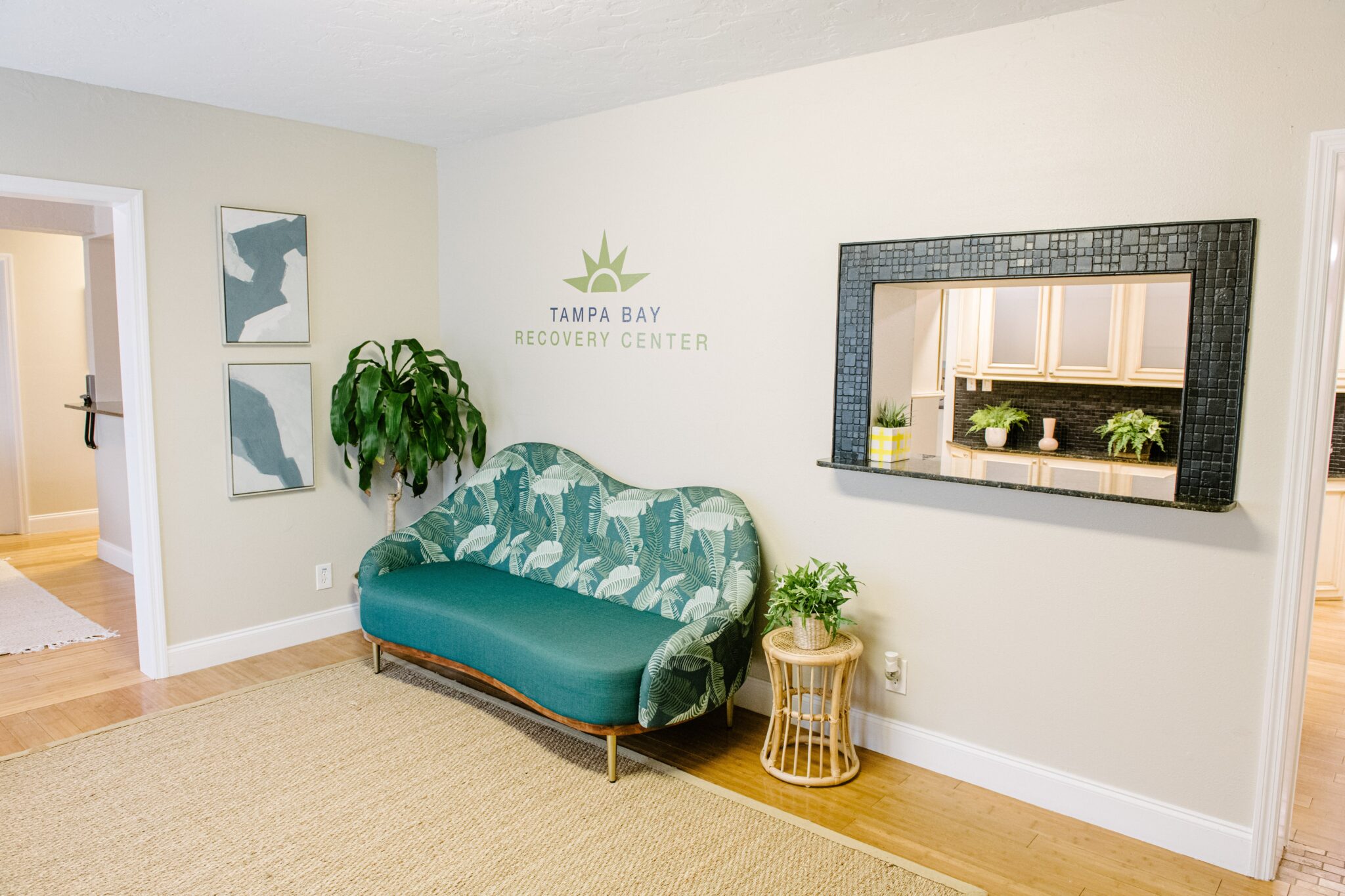
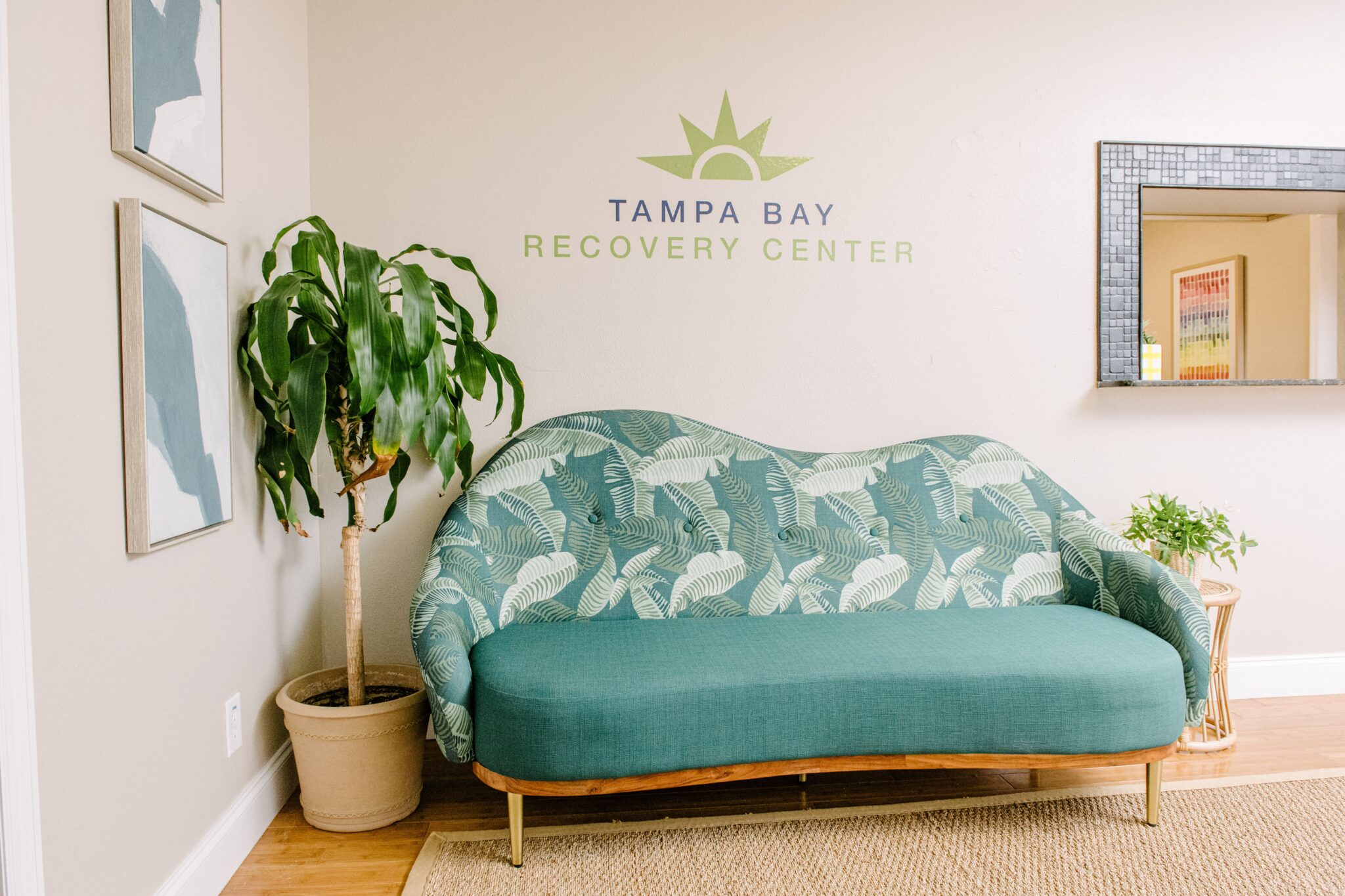
Tour Our Anxiety Treatment Center in St. Petersburg

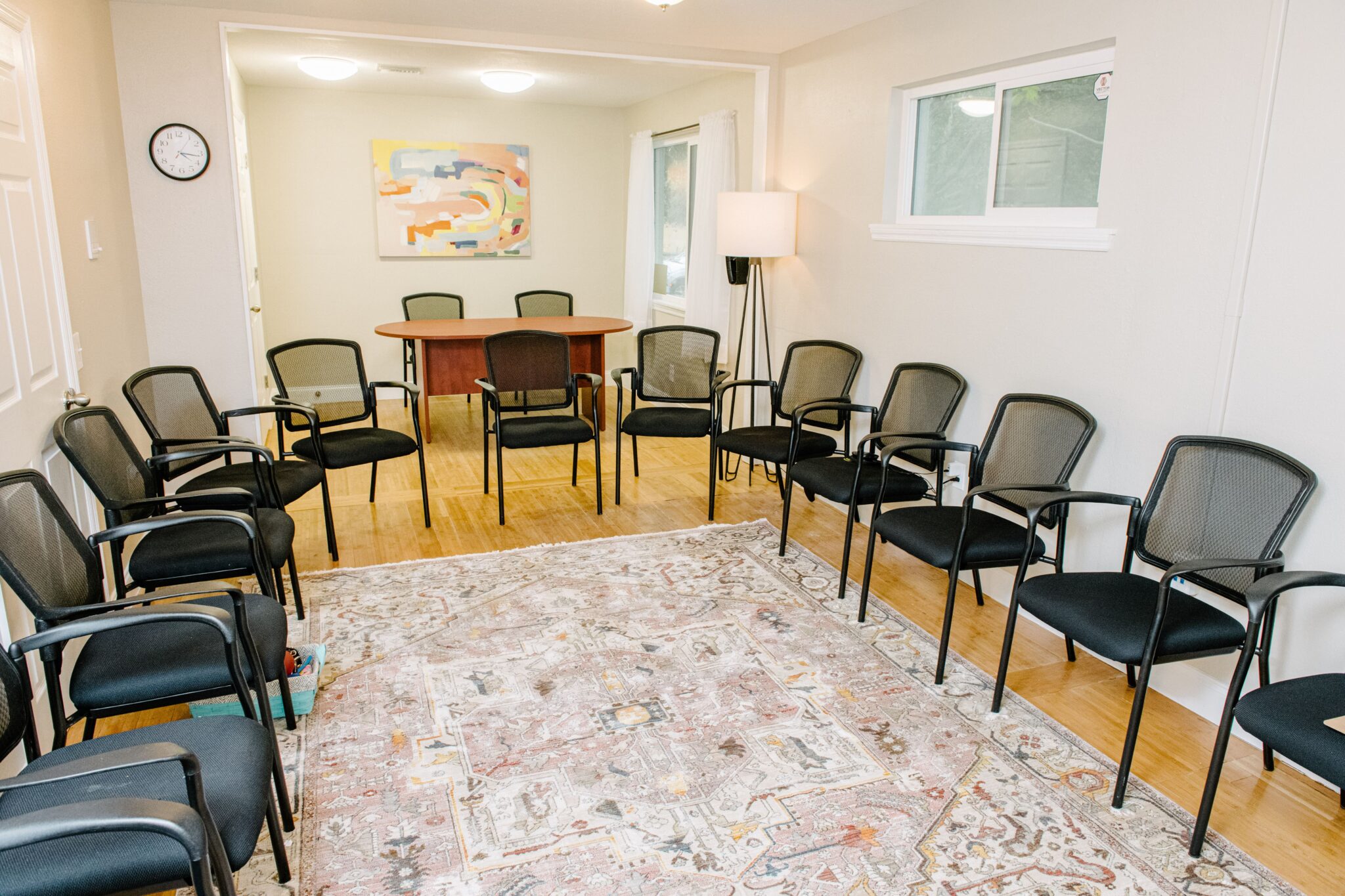
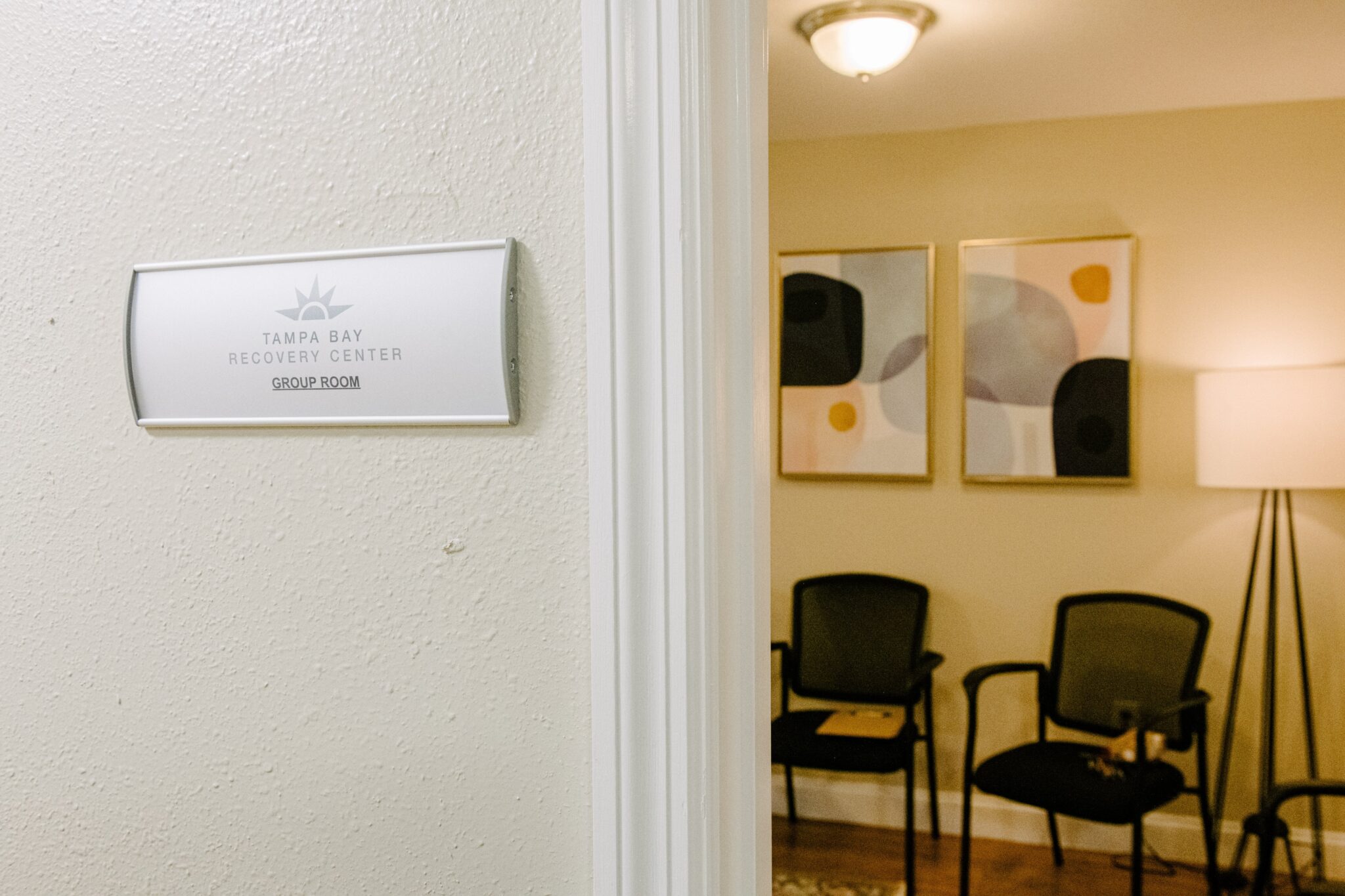
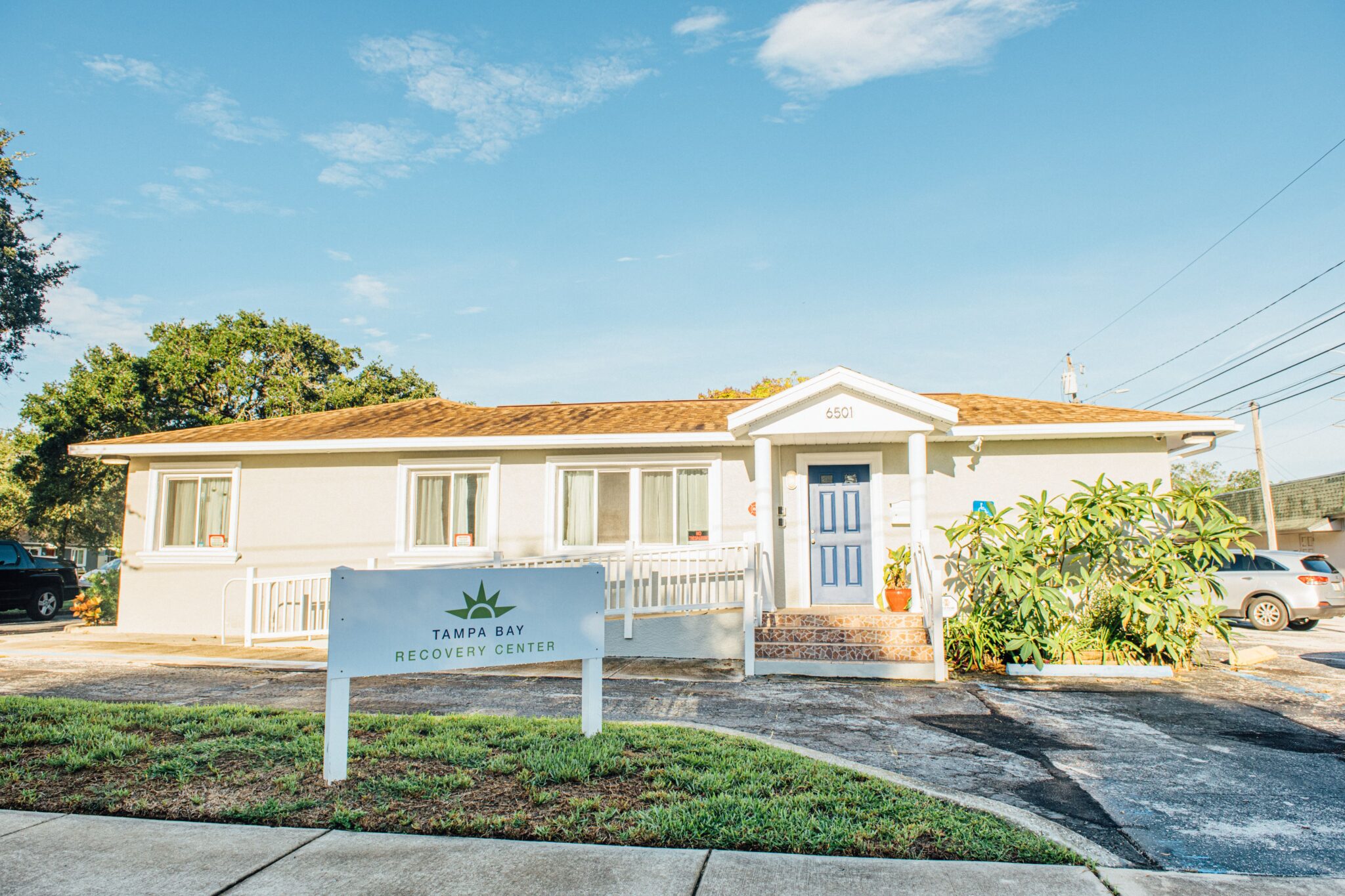
Starting With a Careful Assessment
At Tampa Bay Recovery Center, we ask about your symptoms and their effect on your routine. Describe when attacks began and what happens during them. Bring information about any medical evaluations you have already completed, along with your medication list.
Your provider may recommend additional medical evaluation when symptoms suggest another possible cause. We also discuss other mental health concerns and substance use. Understanding how these factors relate helps us recommend an appropriate treatment plan rather than assuming every episode has the same explanation.
Therapy for Panic Disorder
Cognitive behavioral therapy, or CBT, has strong research support for panic disorder. It helps you examine frightening interpretations of physical sensations and practice different responses. For example, treatment may address how interpreting a racing heartbeat as an immediate catastrophe can intensify fear.
Panic-focused CBT may include exposure techniques. Interoceptive exposure involves carefully selected exercises that bring on feared bodily sensations under clinical guidance. A qualified clinician considers your health before choosing exercises and helps you approach avoided situations gradually. Ask your treatment team how panic-focused methods could fit into your plan.
Psychiatric Care and Medication
Medication can help reduce panic symptoms for some people. Providers commonly consider selective serotonin reuptake inhibitors, or SSRIs, and serotonin-norepinephrine reuptake inhibitors, or SNRIs. These medications can take several weeks to begin helping, and follow-up appointments allow your prescriber to assess benefits and side effects.
Benzodiazepines require particular caution because they can cause dependence and withdrawal. If you already take one, discuss any changes with your prescriber before reducing or stopping it. Your psychiatric care should account for other medications and any history of substance use.
Choosing a Level of Outpatient Support
Our mental health programs offer different levels of structure. An assessment helps determine how much care you need and whether you can safely manage symptoms outside scheduled appointments.
- Partial Hospitalization Program: PHP provides a substantial daytime schedule for people who need intensive outpatient support.
- Intensive Outpatient Program: IOP includes regular treatment with fewer hours than PHP, allowing more time outside the program.
- Outpatient Care: Less intensive appointments may support continued progress when your condition allows a lower level of care.
Our center is at 6501 1st Avenue South in St. Petersburg. If travel itself triggers panic, share that concern during your first conversation so the team can consider it when discussing attendance.
Practicing Skills Between Appointments
Progress often includes small changes in how you respond to anxiety. You might spend less time checking your body for danger or return to an activity you have avoided. Discuss these observations with your therapist, including moments that felt harder than expected.
Your clinician may also review sleep and caffeine use, since both can affect anxiety symptoms. Follow a plan suited to your health and treatment goals. Regular practice gives your team useful information about what helps and where you need more support.
Insurance and Admission Questions
Tampa Bay Recovery Center works with several insurance providers and offers benefits verification. Your coverage depends on your policy and the recommended services. Ask about network participation and any authorization requirements before starting treatment.
Use our insurance verification form or call admissions to request a review. You can also ask about current schedules and what to prepare for your assessment.
Frequently Asked Questions
Can Panic Attacks Happen During Sleep?
Panic attacks can wake a person from sleep. Tell your clinician about nighttime symptoms so they can consider panic alongside sleep-related or other medical causes.
Will I Need Medication?
Some people benefit from therapy alone, while others receive medication or a combination of treatments. Your provider will discuss options based on your symptoms and preferences.
How Quickly Does Treatment Help?
The pace varies, and both therapy and medication can take time to produce noticeable changes. Your team can help you track progress through attack frequency and changes in daily functioning.
Do You Treat Primary Mental Health Conditions?
We provide care for primary mental health concerns as well as co-occurring addiction and mental health conditions. An assessment helps establish whether our services fit your needs.
Can I Keep Working During Treatment?
That depends on the level of care and how your symptoms affect your ability to work. Ask about current schedules and discuss work responsibilities when planning treatment.
Ask About Panic Disorder Treatment in Tampa Bay
If fear of another attack is influencing where you go or what you feel able to do, contact our team. Tampa Bay Recovery Center can help you understand the assessment process and discuss appropriate outpatient support. Your first conversation is a chance to explain what has been happening and ask questions about care.
Call 813-733-5686 to ask about panic disorder treatment in Tampa Bay.

Jeffrey Cohen, M.ED, RMHCI
Clinically Reviewed
Jeff Cohen is a Primary Therapist at Tampa Bay Recovery Center, where he works with individuals experiencing substance use disorders, co-occurring disorders, and primary mental health conditions.
Take Back Control:
Verify Insurance
Addiction and mental health disorder effects the lives of millions of Americans each year. Contact Tampa Bay Recovery Center today to get the help you deserve.
Call 813-733-8774
Insurance Can Cover Up to 100% of costs
We Accept Most Insurance. Please Note We Are Not Affiliated With Or Endorsed By Insurance Companies.
CONTACT US
We Are Always Here For You
Our compassionate team is ready to assist you—contact us now for confidential support tailored to your needs!